
Haiti’s electoral council has issued a full timetable for national voting that aims to deliver the country’s first presidential and legislative elections in a decade. The calendar sets the first round of voting for December 13, with a runoff scheduled for February 21 and the publication of final results on March 7.
Alongside the presidential and legislative contests, the schedule includes ballots on proposed constitutional changes and elections for local representatives. The council stressed, however, that the dates hinge on two conditions it described as essential - the creation of an acceptable security environment and the availability of the funds necessary to carry out electoral operations.
Plans for a vote originally slated for August with a December runoff were postponed earlier this year over security concerns. Haiti has not organized national elections since 2016. The nation’s last president was Jovenel Moise, who was killed in 2021 after a postponement of a vote. Since then, successive administrations have been charged with mounting elections but have cited widespread insecurity tied to powerful armed groups as a barrier to proceeding.
The electoral council has moved forward on preparatory steps despite those obstacles. It has begun registering voters and training agents to provide security for the electoral process, and it has published a definitive list of more than 300 political parties approved to take part in the coming contests.
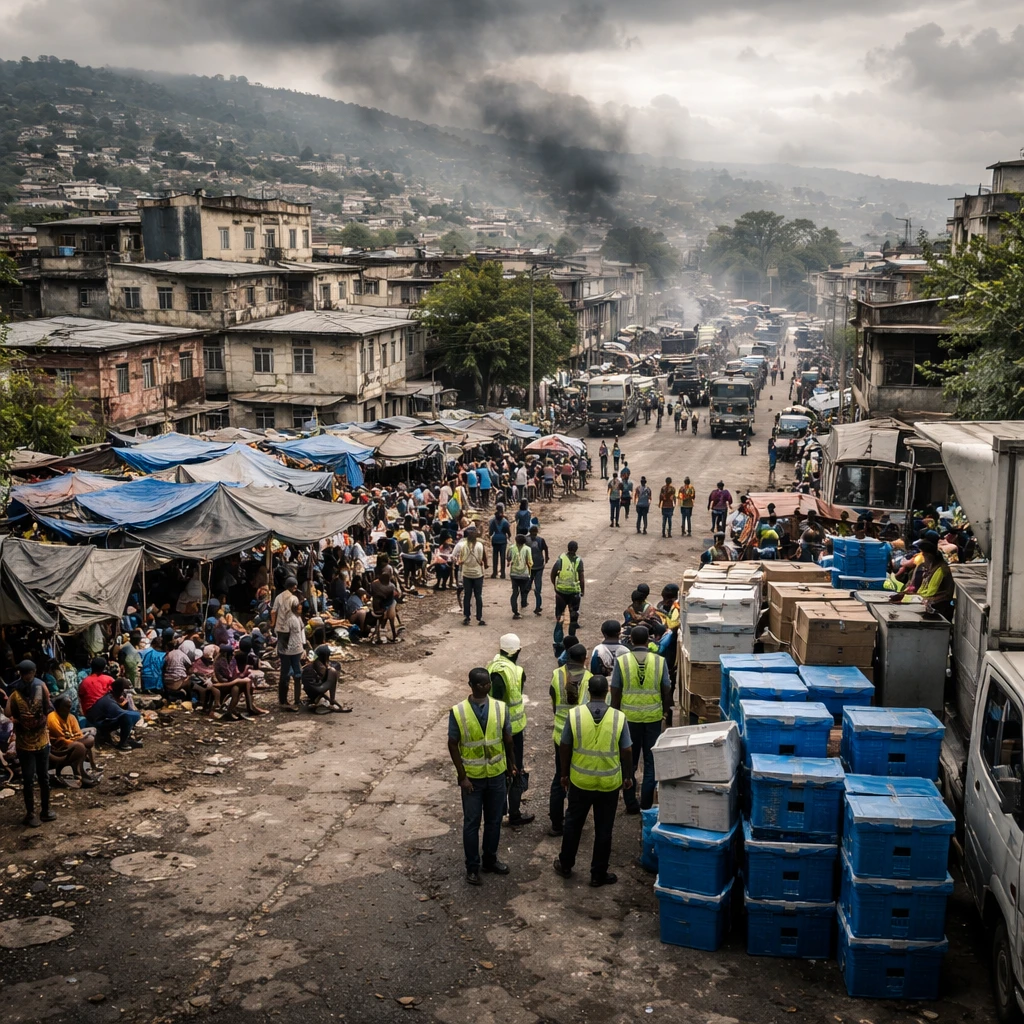
Observers and analysts remain skeptical that the newly announced dates will hold, given the persistence and reach of gang violence across the country. The conflict has precipitated chronic food shortages, frequent extortion, ransom kidnappings and forced displacement, which the council noted add substantial difficulty to organizing a free and fair vote. An estimated 12% of Haiti’s population now live in makeshift camps or are hosted by other families.
Violent armed groups, many arrayed under a broad alliance known as Viv Ansanm, control much of the capital, Port-au-Prince, including large portions of the metropolitan area, which is home to roughly a quarter of the nation’s population. The reach of these groups has also spread into central and rural areas of the country.
Viv Ansanm has sought political recognition and has been designated a terrorist organization by Washington. The group is accused of a range of serious crimes, including mass kidnappings, gang rape, arson, indiscriminate killings and involvement in weapons, organ and drug trafficking.
Electoral officials have previously assessed hundreds of voting centers for accessibility, but restrictions on movement and access have worsened as armed groups have expanded their control outside the capital. The council’s published calendar makes clear that restoring sufficient security and securing the necessary financial resources are prerequisites to moving ahead with the scheduled electoral milestones.
Summary
The electoral council has announced a timeline for presidential and legislative elections - first round on December 13, runoff on February 21, and final results on March 7 - and included votes on constitutional changes and local offices. Officials warn the process depends on an acceptable security climate and available funding. Ongoing gang violence, displacement and shortages complicate prospects for conducting the vote, and more than 300 parties have been approved to participate.
Key points
- The council set specific dates for the first round (December 13), a runoff (February 21) and final results publication (March 7).
- Over 300 political parties have been validated to compete; voter registration and training of electoral security agents have begun.
- Persistent gang violence, mass displacement and shortages threaten the feasibility of holding the elections on the announced schedule.
Risks and uncertainties
- Security risk - Continued control by armed gangs, particularly the Viv Ansanm alliance, could prevent access to polling centers and endanger voters and electoral staff. This impacts the public safety and logistics sectors.
- Funding risk - The electoral council explicitly tied the calendar to the availability of funds, leaving the process vulnerable to financial shortfalls that would delay operations; this affects electoral administration and donor/humanitarian planning.
- Humanitarian and socio-economic risk - Ongoing violence has produced food shortages, extortion and forced displacement, which undermine civic participation and strain aid delivery and local commerce.