
World June 11, 2026 03:48 PM

France launches 10 GW offshore wind tender split evenly between fixed and floating sites

Government opens bid for projects concentrated on the west coast as Paris pursues 15 GW target by 2035

By Nina Shah
Share
Twitter Reddit Facebook LinkedIn

France's energy ministry has opened a competitive tender for 10 gigawatts of offshore wind capacity, allocating 5 GW to fixed-bottom installations and 5 GW to floating platforms. The initiative is intended to help lift the country's offshore fleet from under 2 GW today to 15 GW by 2035, while facing industry headwinds including rising costs and political opposition in some markets.

France launches 10 GW offshore wind tender split evenly between fixed and floating sites
Summarize with
ChatGPT Perplexity Claude Grok Gemini

Key Points

  • France opened a tender for 10 GW of offshore wind, split 5 GW fixed-bottom and 5 GW floating; most sites are planned on the west coast - impacts energy and infrastructure sectors.
  • The move supports a national goal to increase offshore wind from under 2 GW now to 15 GW by 2035 - relevant for utilities, construction and capital providers.
  • Floating projects allow development in deeper waters but carry higher cost and technical complexity compared with established fixed-bottom technology - relevant to equipment manufacturers and project financiers.

France's energy ministry said it will open a call for tenders for 10 gigawatts of offshore wind projects, with the announcement made on Thursday and the formal tender due to start on Friday. Most of the sites under consideration are located along the country's west coast.

The package is evenly split between two technology types: 5 GW set aside for fixed-bottom wind farms and 5 GW for floating wind farms. Officials had previously indicated an intention to launch this solicitation in 2024.

The French projects form part of a national objective to grow offshore wind generation from a level below 2 GW today to 15 GW by 2035. The broader European offshore wind fleet was reported at just under 40 GW at the end of 2025, according to industry group WindEurope.

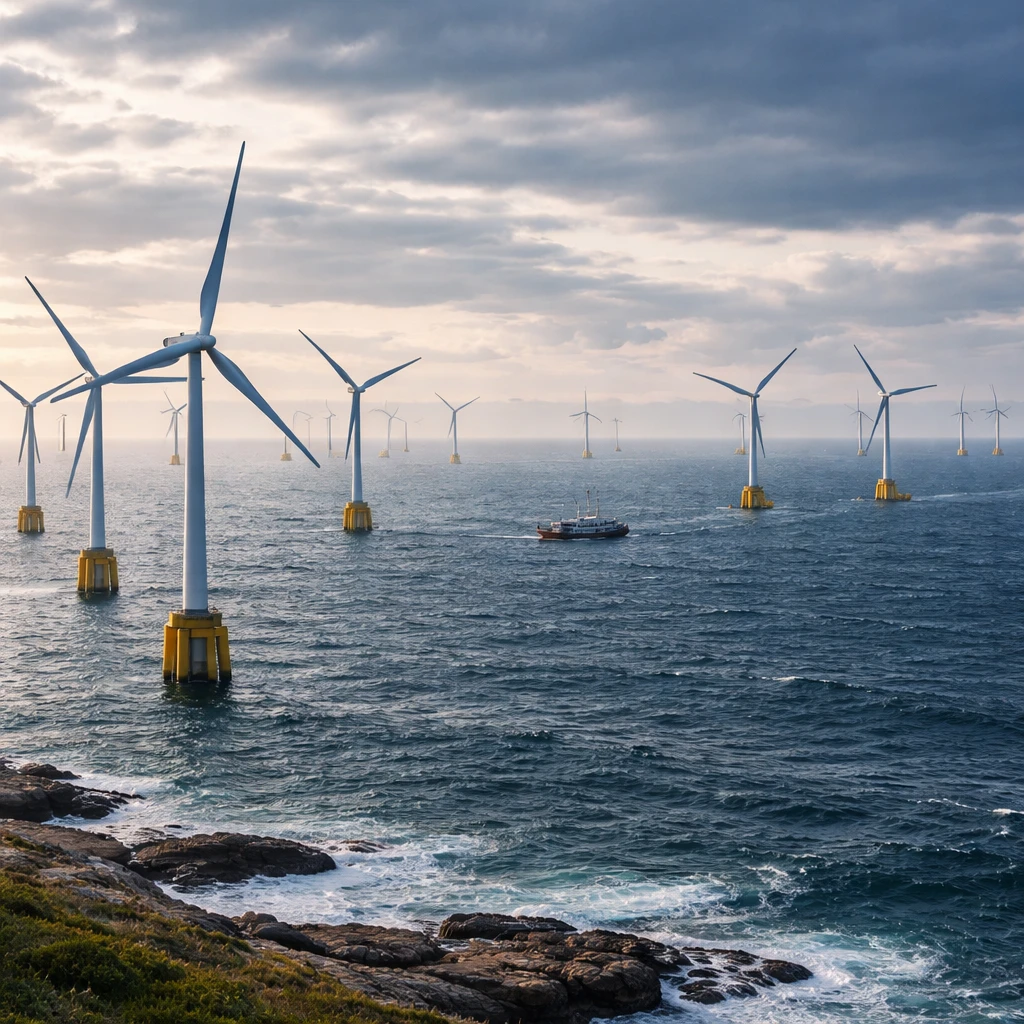
Fixed-bottom wind farms employ turbines mounted on foundations anchored to the seabed. This approach is the more established method and is generally less expensive than floating alternatives. Floating wind farms, by contrast, place turbines on buoyant platforms that are anchored to the seabed, allowing developments in deeper waters but introducing greater cost and complexity through their platforms, mooring arrangements and installation needs.

Offshore wind developments have encountered difficulties in recent years as rising costs and political opposition in certain countries have prompted some companies to cancel planned projects. The article notes that the Trump administration in the United States opposed such projects.


Context for markets and financing

From a financing and sectoral perspective, the split between fixed and floating technologies has implications for capital intensity and project risk profiles. Floating schemes, which require more complex platforms and moorings, are likely to have higher upfront capital and installation needs compared with fixed-bottom projects. At the same time, concentration of the tendered sites on the west coast focuses development activity geographically.

The ministry's tender is a step toward the stated 2035 capacity target but must contend with the cost pressures and political resistance that have affected offshore projects in multiple jurisdictions.

Risks

  • Rising project costs have already led some developers internationally to cancel offshore plans, creating execution and financing risk for new projects - this affects banks, insurers and project investors.
  • Political opposition in certain countries has impeded offshore developments, introducing regulatory and permitting uncertainty that can delay or derail projects - relevant to utilities and developers.
  • Floating wind incurs greater technical complexity through platforms, moorings and installation, which can increase capital needs and operational risk compared with fixed-bottom projects - impacting contractors and lenders.

More from World

Federal Circuit Keeps 10% Global Tariff in Place for Three Importers as Appeal Continues Jun 11, 2026 U.S. Sanctions Cuba’s State Oil Company CUPET, Freezing Any U.S. Assets Jun 11, 2026 Mexico City Opens World Cup Amid Celebrations, High Prices and Protest Camps Jun 11, 2026 U.S. to Send Migrants Including Iranians to Central African Republic Under Third-Country Deal Jun 11, 2026 Supreme Court Tosses Obstruction Conviction in Case Involving Ex-Twitter Employee Linked to Saudi Official Jun 11, 2026