
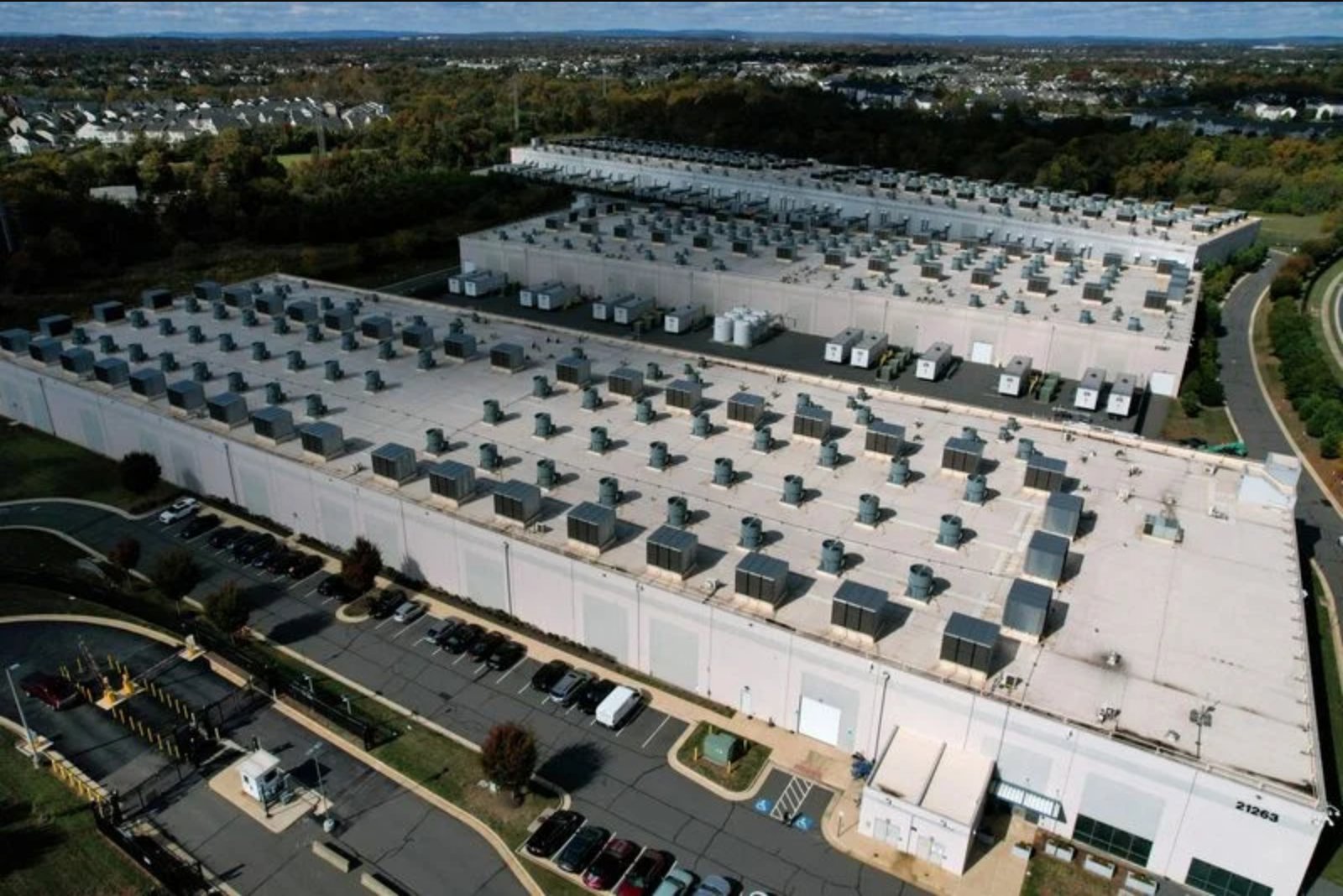
The White House is arranging a round of meetings that will assemble utility companies, data center builders and state officials for a voluntary pledge meant to ensure rising electricity use tied to artificial intelligence does not translate into higher energy bills for households and businesses, according to three people familiar with the plans.
An announcement event for the initiative is expected within weeks, the people said, with several firms set to participate and promise that current ratepayers will not be left to cover the costs of expanding AI infrastructure. The roster of attendees is still being finalized. The White House did not respond to requests for comment.
Concerns have been raised by regulators, consumer advocates and lawmakers in several states that the rapid expansion of power-hungry data centers could result in households effectively subsidizing upgrades to electricity grids required to serve large technology firms. Those warnings underscore the political sensitivity of the issue as the administration presses to speed up the buildout of AI-related infrastructure.
Earlier this year, a group of major technology companies - Amazon, Google, Meta, Microsoft, OpenAI, Oracle and xAI - signed a voluntary "Ratepayer Protection Pledge" at a White House ceremony. At that event they committed to fund the electricity infrastructure necessary for their AI operations rather than passing those costs on to existing utility customers. The commitments covered helping to pay for new power generation, transmission and grid upgrades, and other expenses tied to their data centers, including the costs associated with unused reserved capacity. The White House described those earlier pledges as measures intended to prevent households from subsidizing the growth of AI infrastructure.
The new convening is expected to broaden that approach by explicitly including electric utilities, third-party companies that build and operate data centers for large technology firms, and governors from states that are on the front lines of expanding power systems to meet projected demand. Administration officials have framed the effort as an attempt to reassure voters that accelerating AI investment can proceed while keeping energy costs manageable.
According to the people briefed on the plans, the White House has argued that a rapid expansion of electricity generation and transmission is essential for the United States to compete globally in AI, while maintaining that consumers should not shoulder the financial burden of that buildout. Officials involved in the initiative have presented it as a way to prevent a political backlash over rising electricity bills as AI infrastructure grows.
Summary
The White House will host utilities, data center operators and state leaders to expand voluntary commitments aimed at preventing AI-driven electricity demand from increasing household and business power bills. An announcement is anticipated in the coming weeks, with participating companies pledging to protect current ratepayers from footing the costs of infrastructure upgrades.
Key points
- The administration plans a forthcoming event to broaden voluntary pledges so the rising power needs of AI do not raise rates for existing utility customers.
- Major technology firms previously signed a Ratepayer Protection Pledge to finance needed generation and grid upgrades rather than passing costs to ratepayers.
- Sectors directly affected include utilities, data center operators and state-level infrastructure and regulatory bodies.
Risks and uncertainties
- Regulatory and political pushback: State regulators, consumer advocates and lawmakers may still press that households could end up subsidizing grid upgrades despite voluntary pledges - impacting utilities and ratepayer protections.
- Implementation gaps: The effectiveness of voluntary commitments depends on the scope and enforcement mechanisms; uncertainty remains over whether the broadened pledge will translate into concrete financing arrangements for infrastructure - affecting utilities and the data center sector.
- Public perception and political risk: As the administration accelerates AI infrastructure expansion, there is uncertainty whether voters will accept simultaneous assurances that energy costs will remain stable, which could influence policy and regulatory responses across energy and technology markets.