
Senate business resumes following the July 4 recess with two significant Republican absences that could alter the chamber’s capacity to move several priority measures during an abbreviated four-week session.
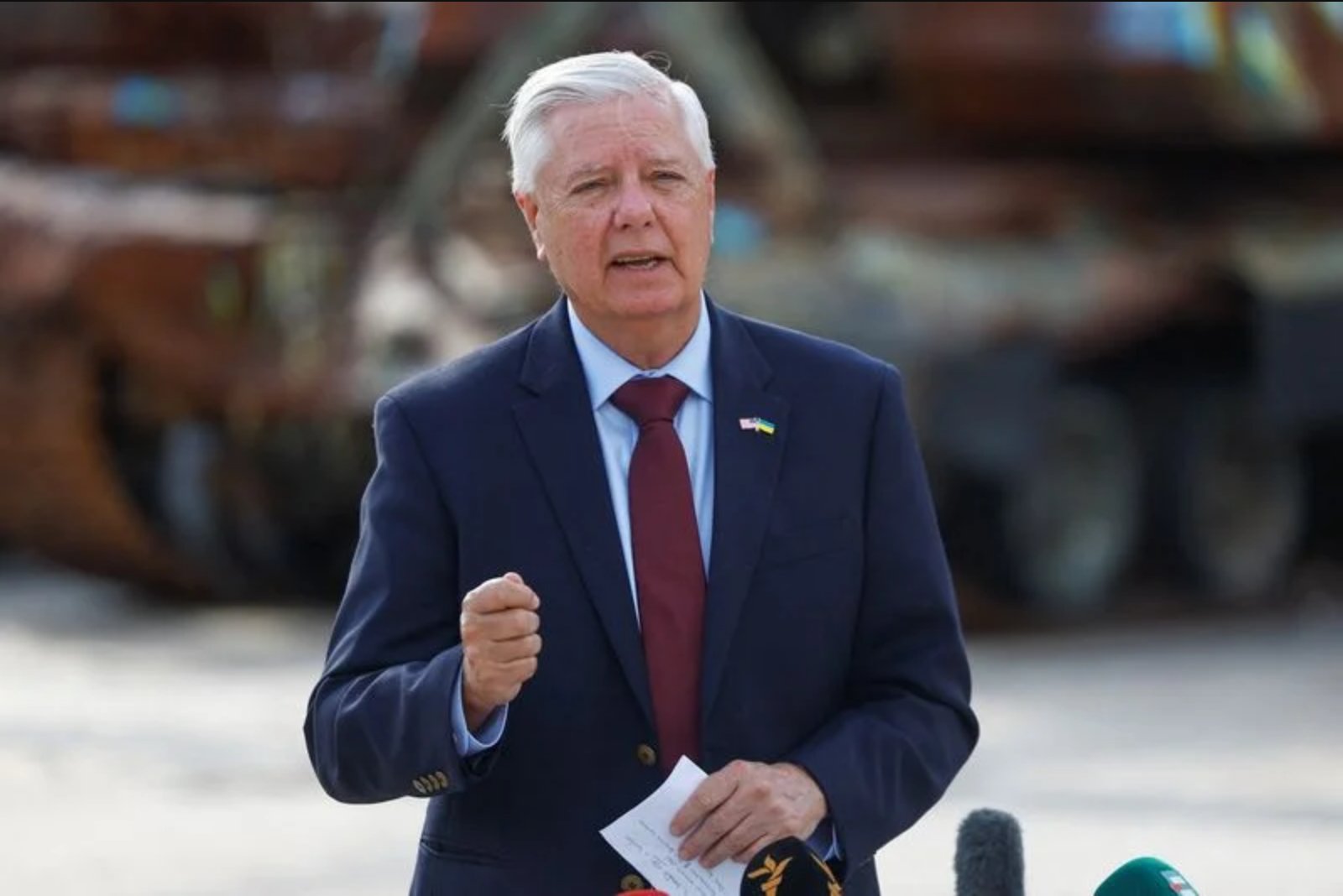
Senator Lindsey Graham died late on Saturday from a heart ailment, his office said, and his South Carolina seat will remain vacant until a temporary replacement is named by the state governor. Senator Mitch McConnell, 84, remains absent after a mid-June hospitalization; he disclosed to constituents that he was treated for a fall, later developed mild pneumonia and has moved to a rehabilitation center as he recovers with no timetable given for returning to the Senate.
The two departures leave the Republican caucus effectively down two senators, cutting into what has been a narrow majority and creating practical obstacles for Majority Leader John Thune as he tries to shepherd several consequential items through the upper chamber.
Top on the agenda are major defense policy bills and a new sanctions package targeting Russia, both of which are priorities for Republican leadership. Lawmakers will also confront the task of reviving a lapsed authority under the Foreign Intelligence Surveillance Act - a move Republicans have tied to oversight of national intelligence leadership - and securing confirmations for several of former President Trump’s nominees, including Todd Blanche for U.S. attorney general.
Graham’s role extended beyond his public profile. He served as chair of the Senate Budget Committee and sat on the Appropriations Committee, positioning him as a central figure in advancing a new budget package designed to push through Republican priorities such as additional defense funding, new tax measures and certain voting restrictions supported by the party. McConnell, who remains a member of the Appropriations Committee and chairs the Senate Rules Committee, has likewise been a pivotal presence for navigating committee business.
With both senators unavailable, committee dynamics are expected to shift. The Appropriations Committee could face greater difficulty agreeing on government funding plans that must be settled before current funding expires at the start of fiscal year 2027 on October 1. The Rules Committee, which McConnell chairs, would also face an evenly divided partisan split in his absence - eight Republicans and eight Democrats on the 17-member panel - potentially stalling consideration of nominees and other business that the committee oversees.
McConnell’s vacancy at the Rules Committee comes at a sensitive time for the panel: the committee would be responsible for processing any new presidential nominations to the Election Assistance Commission, an independent body that supports election administration nationwide, after the White House recently removed the commission’s three remaining members. Without McConnell to preside, the evenly split panel may be unable to move nominees forward.
Foreign intelligence law renewal efforts hinge in part on the nomination process. Republicans have pushed to restore the expired FISA authority while also scrutinizing the current acting head of national intelligence, Bill Pulte, who lacks an intelligence background and was appointed by the president. The ability to finalize renewal legislation will be tied to the confirmation of a replacement nominee for director of national intelligence - Jay Clayton - who is scheduled for a confirmation hearing this week.
The loss of Graham from the Judiciary Committee may also affect the pace of high-profile confirmations. One such consideration is Todd Blanche’s bid for the attorney general post; Blanche has been a contentious figure after serving as acting attorney general and advocating for a now-defunct $1.8 billion "anti-weaponization" fund that drew criticism amid concerns about potential benefits to the president’s allies.
McConnell’s absence has prompted renewed attention to his fraught relationship with the president. He has at times opposed several of the president’s policies and nominations, and as Rules Committee chair he declined to move forward a proposed voter ID measure known as the SAVE America Act. McConnell has publicly experienced health setbacks over recent years, including episodes where he has frozen while speaking and an eight-day hospitalization in February for flu-like symptoms, and he continues to recover in a rehabilitation setting.
As Senate leaders work to marshal votes, the combination of a temporarily vacant Senate seat and an indefinite absence of a senior Republican will shape the horizon for defense, national security and funding legislation along with confirmation processes during the abbreviated summer work period.