
Stock Markets September 3, 2026 01:25 PM

Volkswagen Eyes Body-on-Frame SUVs and Pickups for North America as Part of Regional Push

Company signals expansion into smaller frame trucks and bolstered hybrid lineup while reshaping global product footprint

By Maya Rios
Share
Twitter Reddit Facebook LinkedIn

Volkswagen said it is evaluating new body-on-frame B-segment SUVs and pickup trucks for the North American market and plans to grow its hybrid offerings, part of a broader global restructuring aimed at a leaner lineup. The move comes as the company reorganizes leadership for the region and stakeholders discuss turnaround proposals ahead of an upcoming supervisory board meeting.

Volkswagen Eyes Body-on-Frame SUVs and Pickups for North America as Part of Regional Push
Summarize with
ChatGPT Perplexity Claude Grok Gemini

Key Points

  • Volkswagen is evaluating body-on-frame B-segment SUVs and pickup trucks specifically for the North American market, though it provided no detailed sizing information.
  • The company plans to expand hybrid vehicle offerings in the U.S., citing stronger recent demand for hybrids even as electric vehicle demand has softened.
  • Volkswagen is undertaking a global restructuring to streamline its lineup and production footprint and has appointed Marco Schubert to lead North American strategy; stakeholder discussions about turnaround proposals continue ahead of a supervisory board meeting.

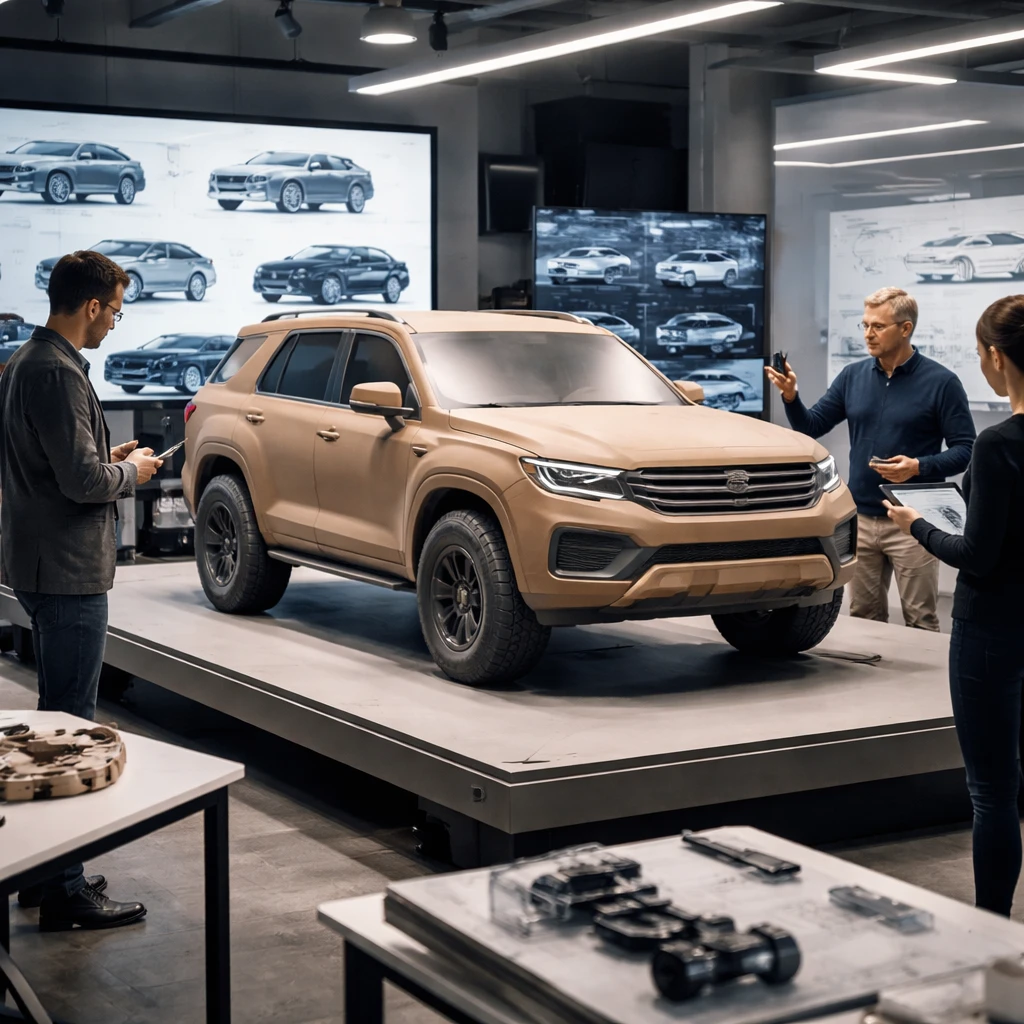
Volkswagen disclosed on Thursday that it is assessing the introduction of new SUVs and pickup trucks tailored for North America, signaling a region-specific approach as automakers respond to trade frictions and differing consumer preferences across markets.

In a company release, Volkswagen said it would "explore opportunities in the highly popular body-on-frame B-segment, including robust SUVs and pickup trucks, as a potential component of Volkswagen's future product portfolio." The B-segment designation traditionally refers to smaller vehicles. The automaker declined to provide additional details about the potential dimensions or exact size of the models under consideration.

The announcement arrives amid a broad global overhaul at Volkswagen in which the company has said it is reducing and streamlining its model lineup and production footprint to strengthen its position versus Chinese competitors. Volkswagen's share of the U.S. market currently stands at roughly 3 percent, according to data from Motor Intelligence.

Alongside plans for body-on-frame vehicles, Volkswagen also said it intends to expand hybrid offerings for U.S. buyers, focusing development on the segments that display the strongest demand and best meet the needs of customers and dealers in the region. The company noted that hybrid sales have risen markedly in recent months, even as electric vehicle demand has cooled.

Earlier this week, Volkswagen announced a set of executive changes, naming Marco Schubert to lead North American strategy. Schubert brings more than 25 years of experience with the company to the role.

Sources within the company are engaged in discussions over turnaround proposals ahead of a supervisory board meeting scheduled for Friday, though a decisive breakthrough on those plans is not expected. The discussions form part of broader stakeholder consideration about the companys strategic direction.

Volkswagen's statements emphasize a targeted approach - prioritizing regional market dynamics and dealer network requirements - while keeping specific product details and timelines undisclosed. The company's moves reflect an attempt to align product offerings more closely with local consumer tastes and to optimize resource allocation through a leaner global footprint.


Sector implications: The developments could affect North American automotive manufacturing, parts suppliers, and the hybrid vehicle supply chain, as well as broader competitive dynamics between legacy automakers and international rivals.

Risks

  • Lack of detail on vehicle size and specifications creates uncertainty for suppliers and dealers about production planning and inventory needs - impacting automotive manufacturing and parts sectors.
  • Stakeholder discussions about turnaround proposals are ongoing with a supervisory board meeting imminent, and a decisive breakthrough is not expected - creating near-term governance and strategic uncertainty for investors and corporate stakeholders.
  • Shifting consumer demand patterns - hybrids gaining while EV interest has softened - leave the company exposed to rapid changes in market preferences that could affect product prioritization and sales forecasts.

More from Stock Markets

European Milling Wheat Falls After Putin Signals Possible Peace Talks Sep 3, 2026 Victoria's Secret Q2: Strong Margins but Q3 Profit Outlook Sends Stock Lower Sep 3, 2026 Vertex Tops Citi's Biotech Picks After Closing Crinetics Acquisition Sep 3, 2026 Eleventh U.S. Death Tied to Banned Chinese-Made Air Bag Inflators Sep 3, 2026 KKR Returns 10% Stake in Nordic Bioscience to Founder Claus Christiansen Sep 3, 2026