
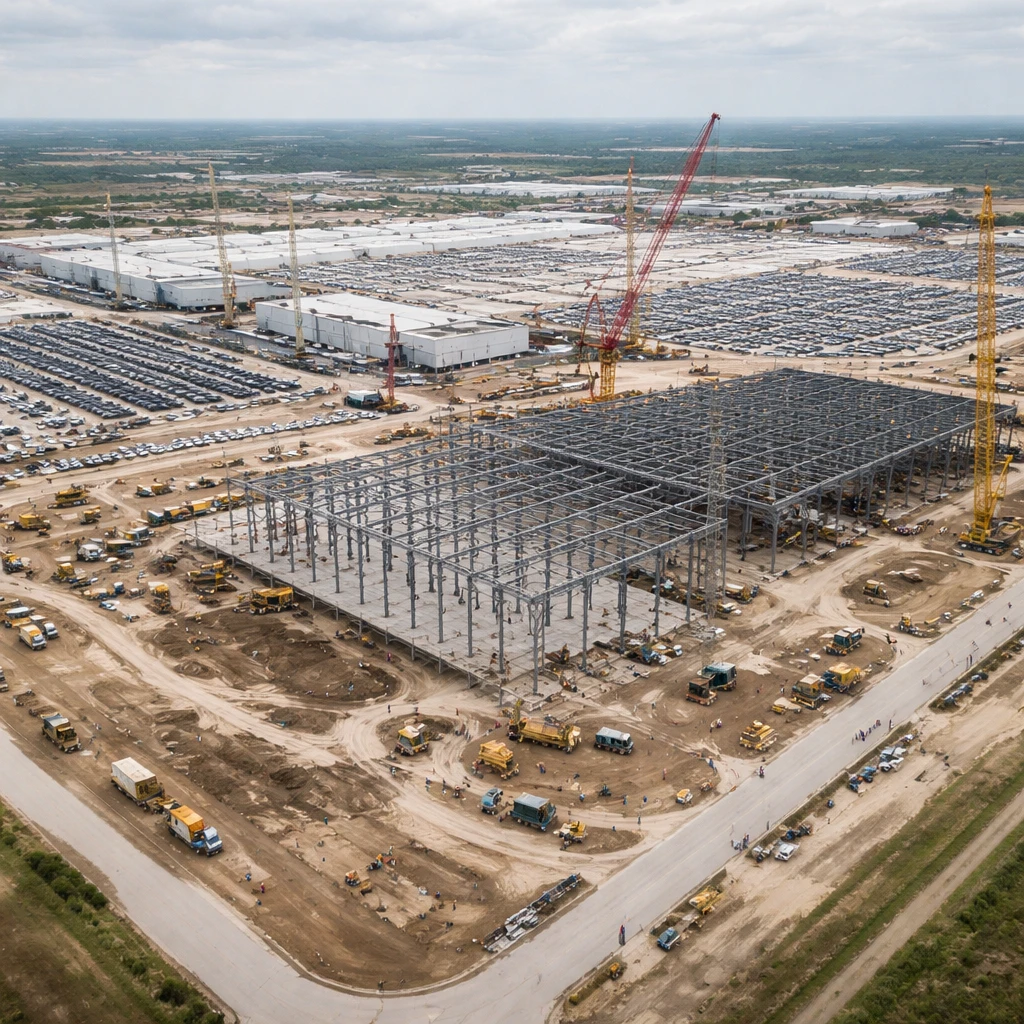
Toyota Motor Corp said it will erect a new $3.6 billion vehicle manufacturing complex on its San Antonio campus in Texas and reallocate part of its truck production that is currently based in Mexico. The automaker said the new facility will span 2.5 million square feet and is targeted to begin operations by 2030.
When complete, Toyota expects the plant to support roughly 2,000 jobs. The company specified that production of its mid-size Tacoma pickup truck will be shifted from the Toyota Manufacturing Baja California plant in Mexico to the San Antonio site once the Texas facility is finished. Toyota also said it will continue building Tacoma trucks at its Guanajuato plant in Mexico.
Toyota already manufactures Tundra trucks and SUVs at an existing assembly plant on the San Antonio campus where the new facility will be constructed. In addition to the new assembly plant, the company plans to open a 500,000-square-foot rear axle plant on the same campus in the autumn.
The announcement comes amid policy pressure from the U.S. executive branch encouraging automakers to expand domestic production. The company said that President Donald Trump has urged automakers to increase U.S. vehicle production and has raised tariffs on automobiles, steel, aluminum and parts.
Toyota emphasized its continued commitment to manufacturing across North America, including Mexico, Canada and the United States. The company urged an extension of a North American free trade agreement it said automakers view as essential to integrated auto production.
The decision to move some Tacoma production to Texas follows earlier shifts in the model's manufacturing footprint. In 2020, Toyota moved Tacoma production from its San Antonio plant to the Guanajuato facility, joining the Baja plant that had produced the truck since 2004.
Context and timing
The new assembly plant is part of Toyota's San Antonio manufacturing campus expansion. With construction planned on the existing site where Tundra and SUVs are currently assembled, the company said the expanded footprint will include both the new 2.5-million-square-foot plant and the separately scheduled rear axle facility.
Regional and industry implications
Toyota framed the move as a continuation of its operations across the North American region while also responding to shifts in trade and tariff policy. The company highlighted the importance it places on an extended North American trade arrangement to support integrated production networks.