
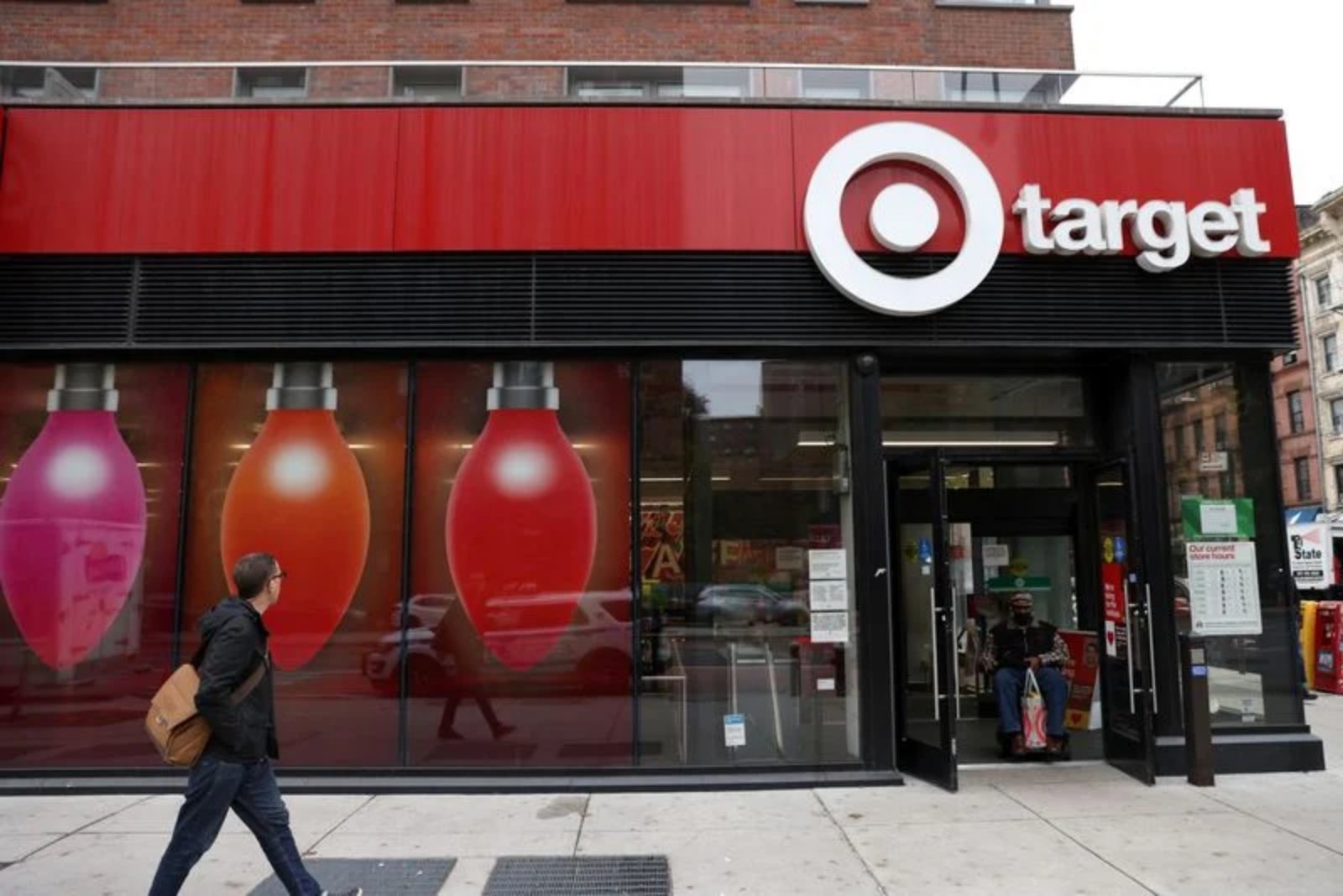
June 12 - Target shareholders on Friday rejected a measure aimed at splitting the board chair role from executive leadership, with 38.1% of votes cast in favor of the governance change. That level of support exceeds the 29% backing reported for the same proposal in 2024, but falls short of a majority and therefore preserves the company’s current leadership arrangement.
Under the existing structure, former CEO Brian Cornell remains in the role of executive chair after transitioning the chief executive responsibilities to Michael Fiddelke.
Key outcomes from the retailer’s annual general meeting included:
- All 12 nominated directors were elected at the June 10 meeting, the company said.
- Independent inspector Carideo Group certified the vote totals, which were derived from about 392.5 million shares voted - representing roughly 86.4% of shares outstanding.
- According to reporting on Wednesday, the shareholder governance proposal was rejected alongside two other proposals, including measures related to pesticide disclosures and microfiber emissions, based on information from two sources with direct knowledge of the vote.
The governance proposal reflects a continued push by investors to separate the roles at Target. Since 2014, shareholders have submitted six similar proposals at the company; none have passed. Support for such measures peaked at 45.8% in 2014, and while recent backing has varied, the most recent vote shows an uptick compared with last year.
Separately, the retailer has been navigating a period of slower growth relative to peers such as Walmart and Costco, a dynamic the company attributes in part to shifting consumer spending patterns and aggressive pricing competition. In May, Target released quarterly results that showed signs of recovery, but the company cautioned that a challenging macroeconomic environment could continue to weigh on demand.
Market indicators embedded in reporting noted Target’s ticker activity, including a closing price of 135.23 with a gain of 2.59 (1.95%) and an after-hours figure of 135.32, a rise of 0.09 (0.07%), recorded at 17:29:57. These market data points were published alongside the corporate governance and shareholder vote disclosures.
The annual meeting results and the level of shareholder engagement - with approximately 86.4% of outstanding shares participating in the vote - underscore continued investor interest in both Target’s strategic direction and governance structure. While the recent governance proposal did not secure a majority, its improved support relative to 2024 indicates persistent attention from investors on leadership arrangements at the big-box retailer.