
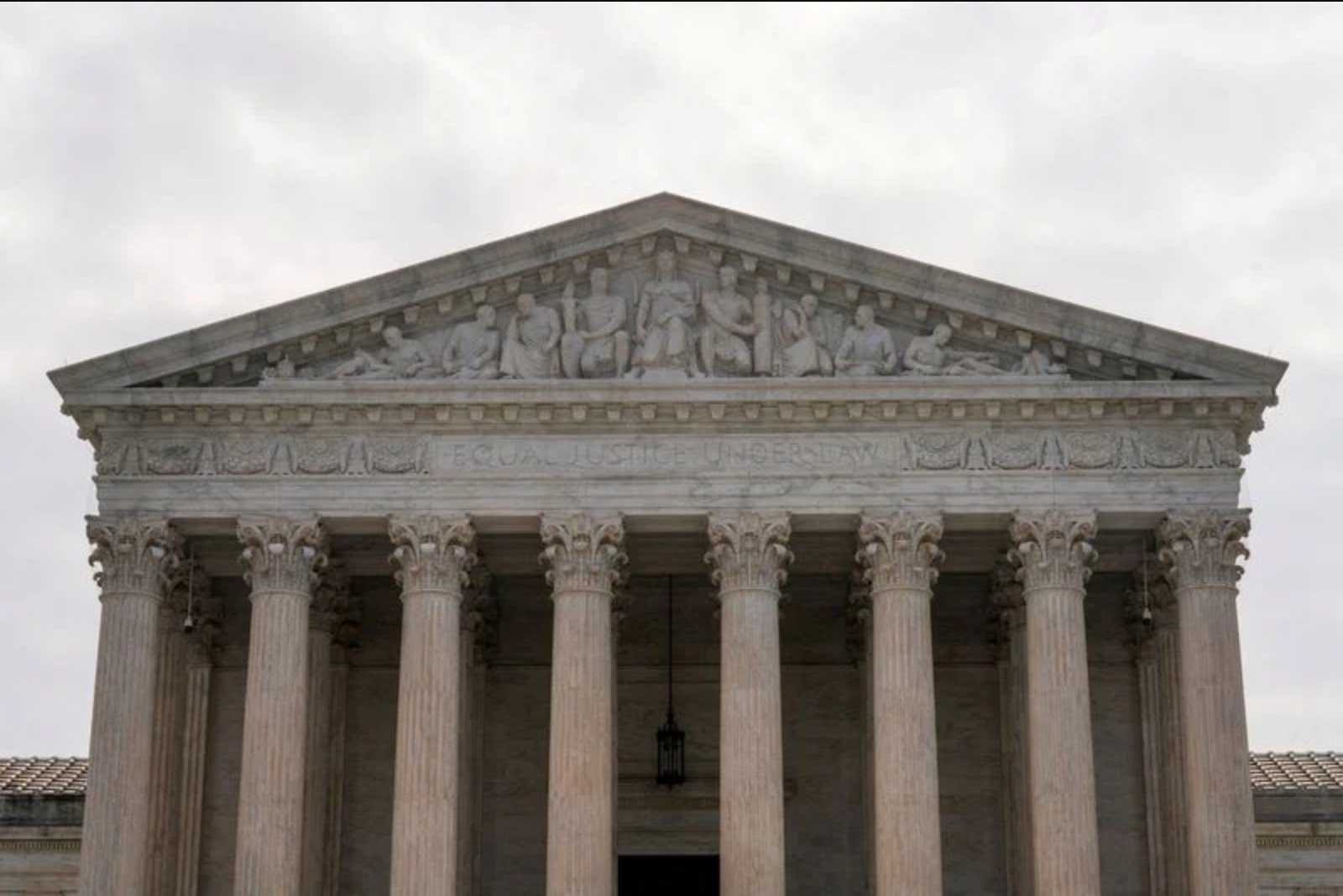
WASHINGTON, July 6 - The United States Supreme Court on Monday refused requests from challengers to block a Texas law that requires app stores and developers to verify the ages of mobile users and to secure parental consent before minors can download applications or make purchases.
The petitioners asked the high court to set aside a lower-court decision that had allowed the statute to remain operative while the underlying constitutional challenge progresses. The challengers argued the measure violates the First Amendment by compelling app platforms to restrict access to speech on mobile devices. The justices denied those requests, leaving the lower-court ruling in place as litigation continues.
The lawsuit was filed by the Computer & Communications Industry Association, a trade group whose membership includes major app store operators such as Apple and Google, alongside a coalition called Students Engaged in Advancing Texas and two individual students. Together they sought to prevent enforcement of the Texas App Store Accountability Act on free speech grounds.
Details of the Texas law and the legal fight
Texas enacted the App Store Accountability Act in 2025 and Republican Governor Greg Abbott signed the measure into law. The statute obliges app stores and app developers to implement age verification and parental consent mechanisms. Under the law, accounts for persons under 18 must be linked to a parent or guardian account. Before a minor may download an app, the parent or guardian must be notified of the app's age rating and must provide approval.
The case adds to a series of state-level efforts aimed at regulating children’s smartphone use and limiting potential harms from social media. The article notes that Australia in 2025 became the first country to ban social media for children under age 16.
Legal proceedings have been brisk. In December, U.S. District Judge Robert Pitman in Austin issued injunctions halting the law, finding it likely ran afoul of the First Amendment. In explaining his ruling, Judge Pitman likened the statute to a requirement that every bookstore verify the age of every customer at the door and demand parental consent before letting minors enter or make purchases.
On June 4, the New Orleans-based 5th U.S. Circuit Court of Appeals placed Judge Pitman’s injunction on hold, effectively allowing the Texas law to take effect while the appeals process continues. The 5th Circuit wrote that Texas has a substantial, if not compelling, interest in protecting children and that parents need necessary information to make informed choices about their children’s upbringing.
Arguments from the challengers
The Computer & Communications Industry Association urged the Supreme Court to lift the 5th Circuit’s stay, arguing the law illegally compels app stores to police access to broad categories of online speech. The group warned that no state has required citizens to demonstrate their age prior to reading a newspaper, entering a bookstore, or even accessing the internet, and added that the Texas statute "does exactly that - for every mobile app on every mobile phone."
The dispute before the Supreme Court follows a recent high court decision in a related area of law. Last year the Supreme Court upheld a different state law requiring age verification by pornographic websites, rejecting an industry challenge that the measure violated adults’ First Amendment rights. That earlier ruling was decided 6-3, with the court’s six conservative justices forming the majority and three liberal justices dissenting.
Where the matter stands
With the Supreme Court declining to block the law for now, the Texas App Store Accountability Act remains in effect while the constitutional litigation proceeds through the courts. The matter continues to present a clash between state-level child-protection measures and free speech claims raised by industry groups and affected individuals. Future appellate decisions and further proceedings will determine the law’s ultimate fate.
This case centers on the regulation of digital storefronts and the obligations it may place on platform operators, developers, parents, and minors. The outcome will influence how states may seek to restrict or condition access to mobile apps for underage users and how courts balance those regulatory goals against First Amendment protections.