
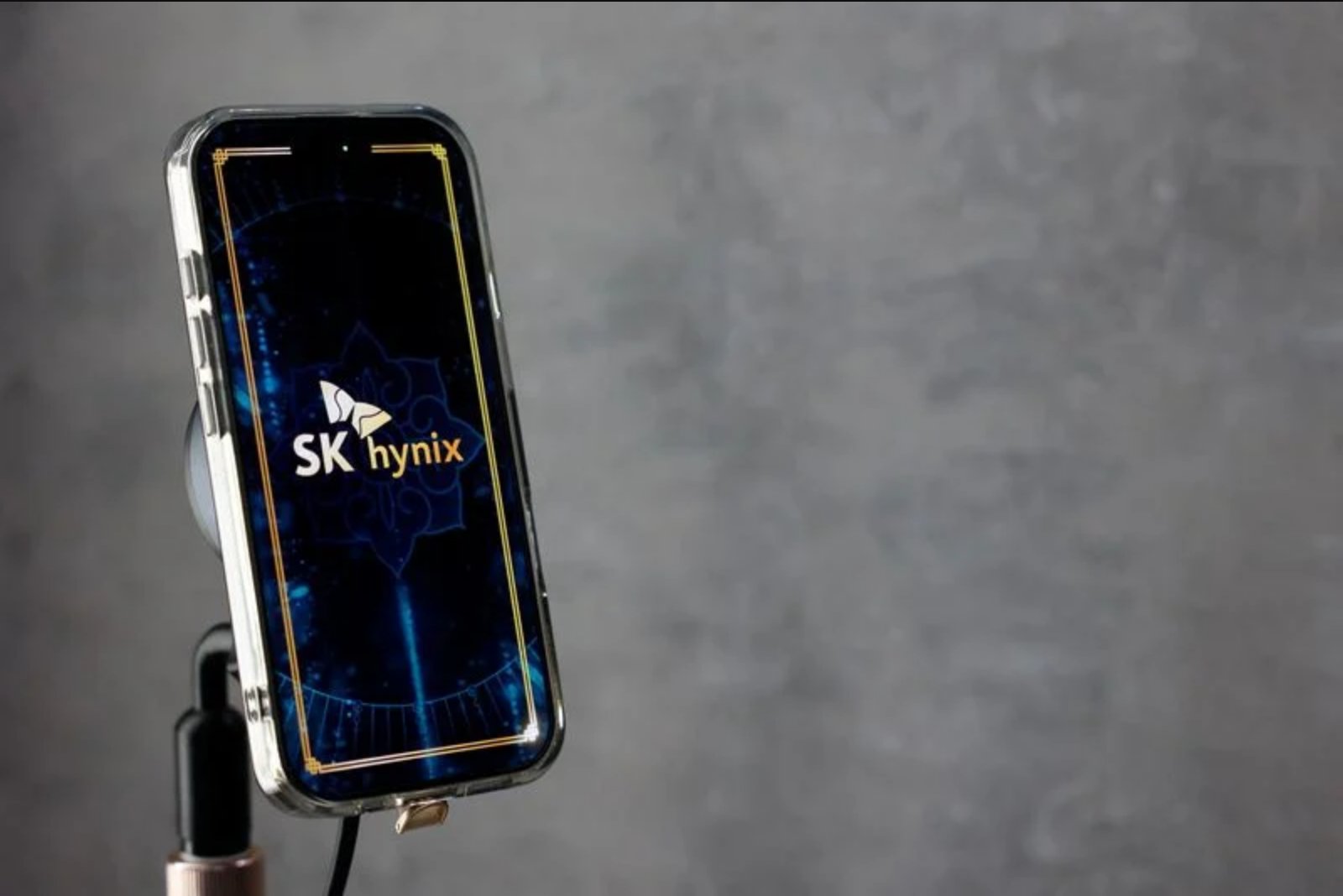
Seoul-listed SK Hynix overtook Samsung Electronics on Monday to claim the title of South Korea’s most valuable publicly traded company, a milestone that underscores how shifts in computing demand are redistributing market capitalisation within the semiconductor sector.
At 03:47 GMT, SK Hynix shares were trading 5.7% higher, placing the company's market capitalisation at 2,082.5 trillion won ($1.35 trillion), while Samsung Electronics rose 0.4% to a market value of 2,081.3 trillion won, excluding preferred shares. The move elevated SK Hynix to the position of the world’s most valuable memory chipmaker.
AI demand and HBM’s rising profile
Investors have pushed SK Hynix higher as the firm has become a dominant supplier of high-bandwidth memory (HBM) chips, components that are central to AI systems deployed by major cloud and AI customers such as Nvidia and Google. The specialised memory used in advanced AI models has increased in strategic importance, helping to lift SK Hynix shares by more than 340% this year.
Market observers note that AI workloads have transformed certain memory products from broadly traded commodities into critical infrastructure pieces for applications such as large language models and other advanced AI systems.
Different business mixes within Korea’s chip champions
SK Hynix’s chief focus is on memory chips, whereas Samsung Electronics combines memory production with manufacturing of logic chips and broader electronics businesses. Samsung had occupied the top market cap spot in South Korea since 2000.
Historical turnaround
SK Hynix’s ascent represents a dramatic turnaround in corporate fortune. In 2002 the company, then operating as Hynix Semiconductor, was close to being sold to Micron after mounting debt from an aggressive expansion drive left it in severe distress. The proposed sale ultimately did not proceed, and the company remained under creditor control for nearly a decade. Its shares once fell as low as 135 won in 2003, at which point it was treated by many investors as a penny stock.
The company’s financial performance has mirrored the memory industry’s familiar boom-and-bust pattern. A severe downturn in 2023 drove SK Hynix to report an annual operating loss of 7.73 trillion won. By 2024, as AI-related demand picked up and major technology firms increased investment, the company reported an annual operating profit of 23.5 trillion won, a then-record figure.
Currency conversion used in reporting: $1 = 1,538.7300 won.
Context for investors and markets
The reordering of market values among South Korea’s largest listed companies highlights how concentrated demand for specialised memory can materially affect company valuations and sector dynamics. SK Hynix’s performance has also been accompanied by notable moves in related memory makers, with some peers showing significant share price gains during the same period.
While the current valuation milestone reflects recent momentum tied to AI-driven demand, past episodes in the memory market illustrate the sector’s sensitivity to cyclical shifts.