
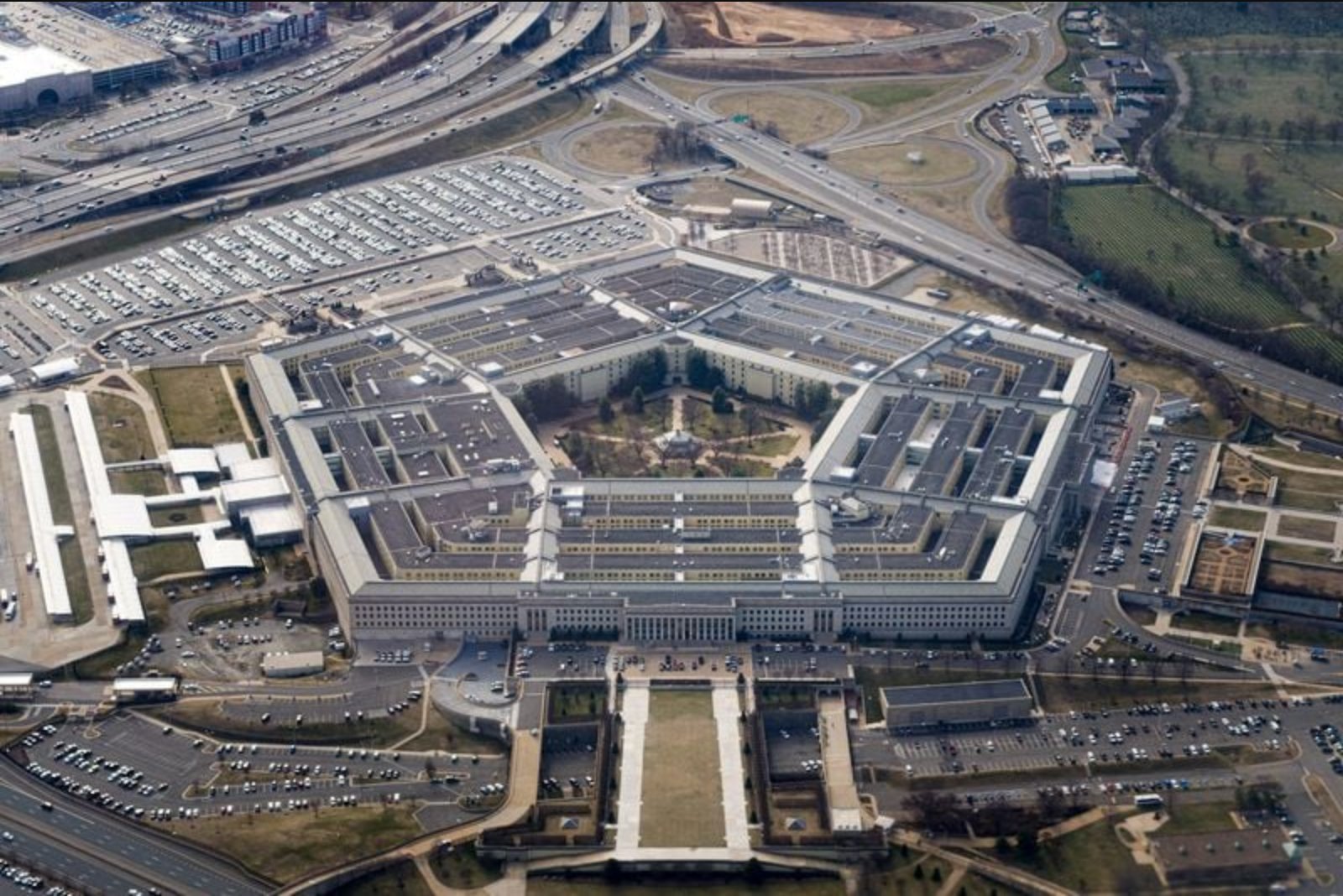
The Senate Armed Services Committee on Thursday voted to extend United States security assistance for Ukraine and to raise the authorized amount for that aid to $750 million, the committee said as it completed its version of the National Defense Authorization Act (NDAA). The panel's bill also contains language changing the Department of Defense's name to the Department of War, according to two people familiar with the measure.
The Republican-majority committee said the $750 million is for the Ukraine Security Assistance Initiative, the program that reimburses U.S. companies for weapons and related support provided to Ukraine's armed forces. That provision is part of a broader Senate NDAA that authorizes a total of $1.15 trillion for the nation's defense requirements.
The text released by the Senate on Thursday includes several provisions tied to the conflict in Ukraine. It bars funds authorized by the NDAA from being used to implement any activity that recognizes Russian sovereignty over internationally recognized Ukrainian territory. In addition, the bill directs the Department of Defense to provide intelligence support to Kyiv for the purpose of supporting military operations to defend or retake territory.
The committee's draft follows a House of Representatives package passed a week earlier that would provide aid to Ukraine and impose additional sanctions on Russia. Both chambers' committee-level bills now move into further stages of the legislative process before a final measure can reach the president.
Munitions and procurement authority
The Senate panel's bill grants multi-year procurement authority for a range of munitions and weapons systems. Specifically noted in the committee text are Boeing-made F-15EX fighter jets and Lockheed Martin-made F-35 fighter jets as among the platforms covered by the procurement provisions.
Despite committee approval, this year's NDAA remains several steps away from becoming law. After separate approvals by the full House and Senate, members from the two chambers will need to reconcile differences in a conference process to produce a single compromise bill. That compromise must then be approved by both the House and Senate before being sent to the White House for the president to sign or to veto.
The House committee's version of the NDAA also supported renaming the Department of Defense to the Department of War, backing the administration's proposal on the matter - a change opposed by House Democrats.
Political context and assistance trends
Support for Ukraine in Congress has shifted since the early stages of Russia's full-scale invasion in February 2022. While many lawmakers from both parties strongly backed Kyiv during the initial period of the conflict, some of the president's closest Republican allies - including leaders in the House and Senate - have become less supportive since the president returned to the White House in January 2025. The article's sources say that U.S. aid to Kyiv has slowed sharply even as Russian and Ukrainian forces continue to exchange missiles, drones and artillery.
Diplomatic avenues for ending the fighting remain stalled. The bill notes that peace talks have produced no breakthrough, and that Ukraine has rejected Russian President Vladimir Putin's demand that it surrender territory that Kyiv has successfully defended since 2022.
The Senate committee's action signals congressional willingness to continue a measure of military support for Ukraine while advancing a sweeping annual defense policy bill that will set procurement priorities, troop pay guidelines and broader responses to geopolitical threats. The legislative calendar and subsequent negotiations between House and Senate lawmakers will determine whether the provisions in the committee draft, including the $750 million Ukraine authorization and the proposed department name change, ultimately survive into law.