
Stock Markets August 3, 2026 10:27 AM

NHTSA Elevates Probe Into Ford 1.0L Engines After Dozens of Power-Loss Reports

Federal agency moves to engineering analysis after incident reports point to timing belt debris clogging oil pump screens in Fiesta, Focus and EcoSport models

By Caleb Monroe
Share
Twitter Reddit Facebook LinkedIn
F

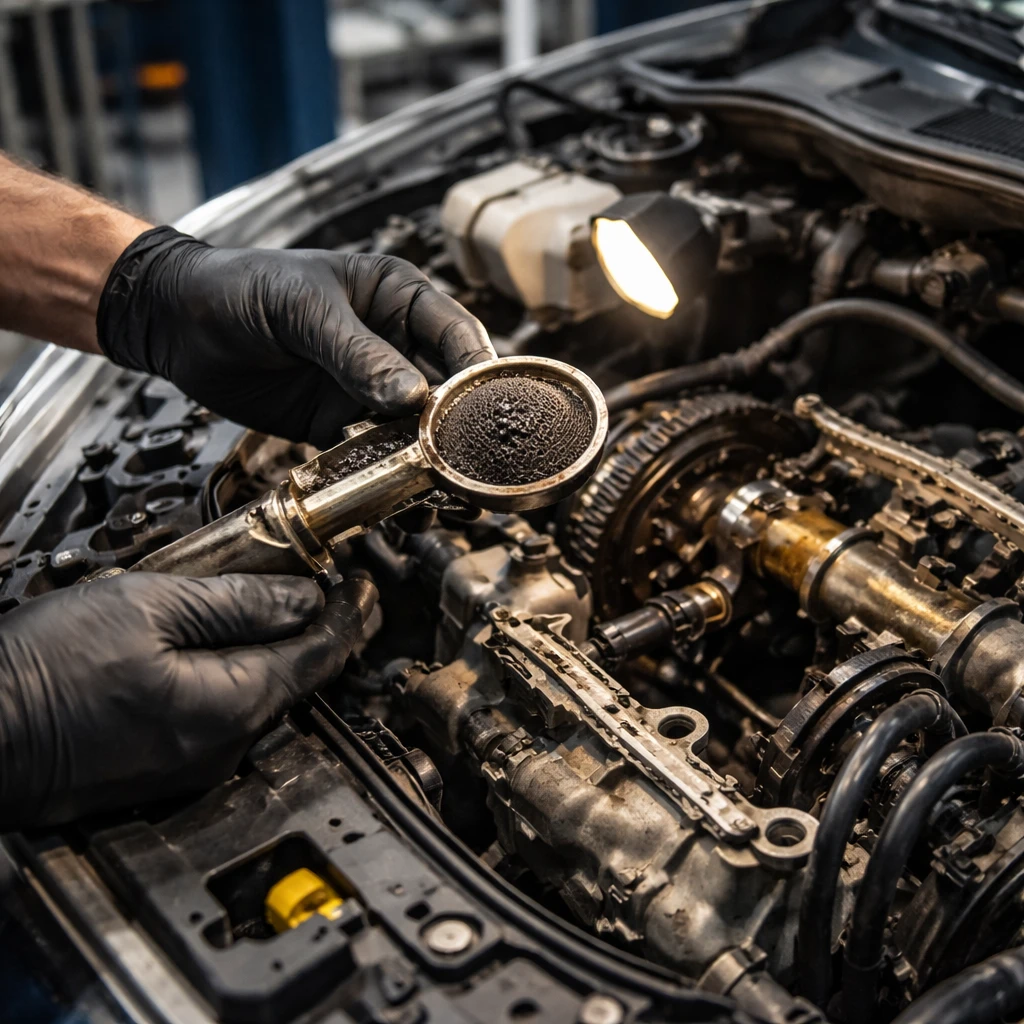
The National Highway Traffic Safety Administration has expanded a defect investigation into roughly 135,000 Ford vehicles equipped with 1.0L engines amid reports that timing belt material can degrade, producing debris that clogs the mesh oil pump pick-up screen and reduces engine oil pressure, potentially causing loss of power or engine seizure.

NHTSA Elevates Probe Into Ford 1.0L Engines After Dozens of Power-Loss Reports
F
Summarize with
ChatGPT Perplexity Claude Grok Gemini

Key Points

  • NHTSA expanded a defect investigation into about 135,000 Ford vehicles with 1.0L engines due to concerns over timing belt material degrading and clogging the mesh oil pump pick-up screen.
  • The probe includes Ford Fiesta, Focus and EcoSport models from model years 2014 through 2021 and is based in part on 355 incident reports of low oil pressure warnings followed by loss or reduction of power.
  • The investigation has been elevated to an engineering analysis - a necessary step before NHTSA could pursue compelling a recall - after reviewing incident data, failure rates, information from Ford (NYSE:F), and preliminary engine teardown results.

The National Highway Traffic Safety Administration (NHTSA) said on Monday it has upgraded a defect investigation into about 135,000 Ford vehicles that use 1.0L engines, citing concerns that timing belt material may break down and generate debris that can block the mesh oil pump pick-up screen. According to the agency, this blockage can lead to a reduction in engine oil pressure and, in some cases, to a loss of power or complete engine seizure.

The probe covers Ford Fiesta, Ford Focus and Ford EcoSport models from various model years spanning 2014 through 2021. NHTSA reported receiving 355 incident submissions alleging that drivers saw a low engine oil pressure warning light shortly before experiencing a complete loss or a reduction in power while operating the vehicle.

Initial findings from the investigation point to degrading timing belt material as a source of debris. That material, NHTSA said, may accumulate and clog the mesh screen on the oil pump pick-up, restricting oil flow and resulting in lowered oil pressure. The agency emphasized that such failures can occur without adequate warning that a loss of power or engine seizure is imminent.

Importantly, NHTSA noted that reported failures have occurred even when vehicles received proper and routine oil maintenance, signaling that standard upkeep may not prevent the issue in every instance. The agency said it believes there is an unreasonable risk to motor vehicle safety after weighing the incident reports, failure rates, information supplied by Ford (NYSE:F), results from a preliminary engine teardown analysis, and precedent recalls tied to loss of engine oil pressure that were accompanied by driver-facing warnings.

The action to upgrade the inquiry to an engineering analysis is a procedural step required before NHTSA could pursue compelling a recall from Ford. The agency's announcement signals closer technical scrutiny and the potential for further regulatory steps based on the forthcoming engineering review.


What this means

  • The investigation targets a set of small-displacement engines across multiple Ford nameplates and model years.
  • Engine teardowns and data provided by Ford, along with incident reports, underpin NHTSA's determination of an unreasonable safety risk.
  • The engineering analysis upgrade is required before NHTSA could seek to order a recall, should further findings warrant that action.

This report is based solely on the information released by NHTSA and details provided in the current investigation. It reflects the agency's stated concerns about timing belt degradation, clogged mesh oil pump pick-up screens, reduced oil pressure, and related loss of power incidents in covered Ford vehicles.

Risks

  • Loss of vehicle power or engine seizure can occur without sufficient warning, creating immediate safety risks for drivers - this principally affects the automotive and consumer safety sectors.
  • Reported failures have happened despite proper and routine oil maintenance, indicating that standard maintenance may not mitigate the issue in all cases - this impacts vehicle owners and maintenance service providers in the automotive aftermarket sector.
  • The engineering analysis upgrade increases the possibility of regulatory action, including a potential compelled recall depending on further findings - this carries implications for automotive manufacturing and corporate liability exposure.

More from Stock Markets

Lockheed Martin vs RTX: a deep dive on valuation, capital returns and which defense name is the cleaner value Aug 3, 2026 Restaurant Stocks Slide After Michigan Cyclospora Outbreak Claims Two Lives Aug 3, 2026 Citi names Bank of America veteran Rohan Sen to lead technology services coverage Aug 3, 2026 FAA Clears Boeing 737 MAX-7 for Production After Prolonged Review, Shares Jump 5% Aug 3, 2026 VF Corp CEO Buys Into Post-earnings Drop; Insider Move Tests Patience of Turnaround Investors Aug 3, 2026