
Linde PLC shares fell sharply on the release of second-quarter 2026 results, sliding 5.9% in mid-day trading to $478.87 as investors focused on margin deterioration rather than top- and bottom-line beats.
For Q2 2026 the company reported adjusted earnings per share of $4.50, a 10% increase year-over-year, and sales of $9.3 billion, up 9% from the prior-year period. Despite those gains, Linde's adjusted operating profit margin narrowed to 29.5%, a contraction of 60 basis points versus the same quarter a year earlier.
The primary driver of the margin shortfall was cost inflation within the Americas segment, where the Lincare home care business absorbed notable cost pressure. Management indicated that, excluding the negative impact from Lincare, Americas margins would have been stronger - but the drag from that unit was sufficient to affect consolidated profitability for the quarter.
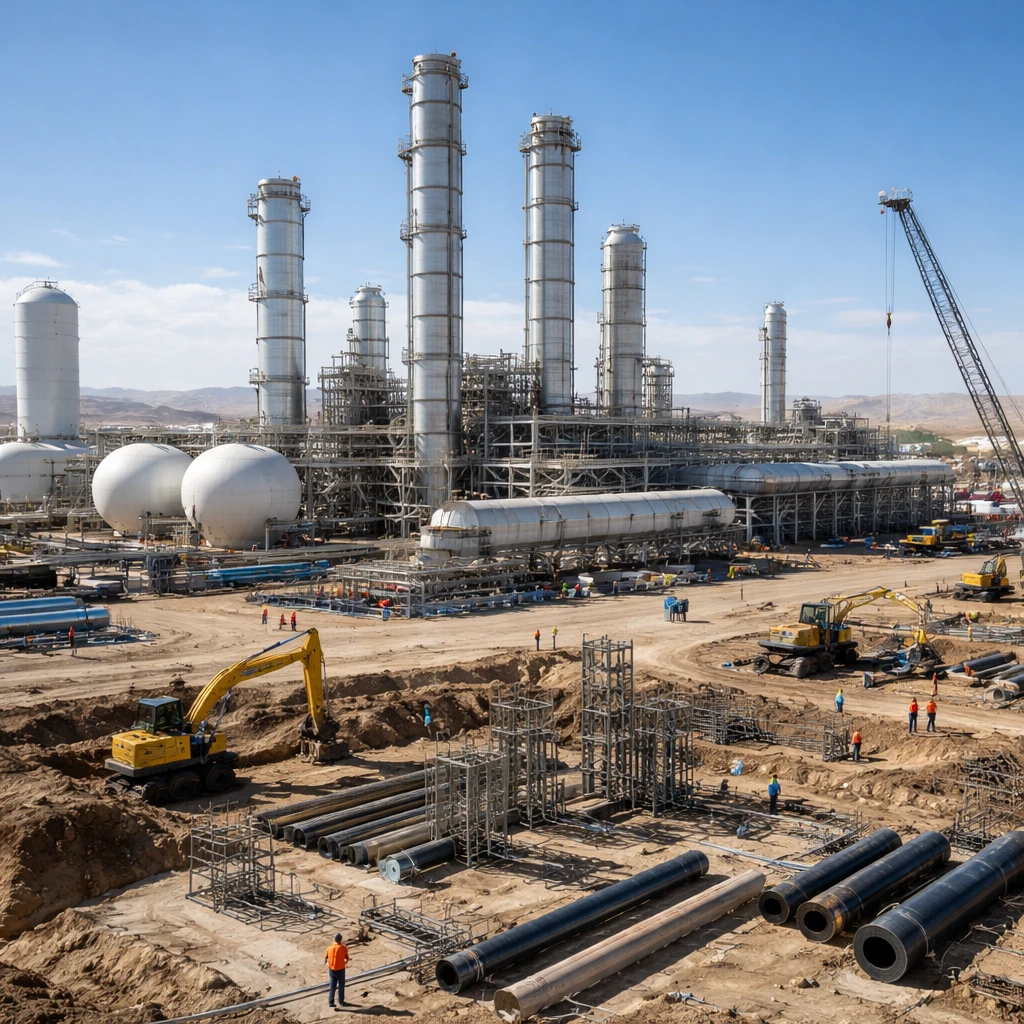
Investors weighed these mixed signals alongside several constructive items in the report. Linde said it plans roughly a $1 billion investment in Phoenix, Arizona, to construct new air separation units that will supply ultra-high-purity nitrogen, oxygen, and argon to one of the world’s largest semiconductor manufacturers under a new long-term contract. The company also reported a record project backlog of $11.1 billion.
Despite those positives, the market reaction was negative and company-specific. Major U.S. equity benchmarks - the S&P 500, Dow Jones, and NASDAQ - traded modestly higher on the day, so Linde’s slide contrasted with the broader market rally and reflected investor concern narrowly focused on the firm's margin trend.
Linde left full-year 2026 adjusted EPS guidance unchanged at $17.70 to $17.90, implying growth of about 8% to 9%, and set Q3 guidance at $4.45 to $4.55 per share. Those guidance ranges were largely consistent with prior expectations and did not provide material upside to soothe investors worried about the pace of margin recovery.
The combination of an earnings and revenue beat undermined by margin compression, ongoing headwinds from the Lincare unit, and guidance that met but did not exceed expectations pushed the stock to a session low of $466.88. That level sits well below Linde’s 52-week high of $548.20 as the market assesses whether recent cost pressures are temporary or signal a more persistent challenge for the Americas segment.
Summary
Linde beat on sales and adjusted EPS for Q2 2026 but reported a contraction in adjusted operating margin to 29.5%, driven primarily by cost inflation in the Lincare home care business within the Americas. The company announced a near-$1 billion Phoenix investment to serve a major semiconductor customer and reported a record $11.1 billion backlog, while maintaining FY 2026 and Q3 guidance ranges.
Key points
- Q2 2026 adjusted EPS: $4.50, up 10% year-over-year; sales: $9.3 billion, up 9% year-over-year.
- Adjusted operating margin contracted to 29.5%, down 60 basis points, with the Americas and Lincare units cited as the principal source of pressure.
- Strategic investments include ~ $1 billion for new air separation units in Phoenix to supply ultra-high-purity gases to a major semiconductor manufacturer; record project backlog of $11.1 billion.
Risks and uncertainties
- Ongoing cost inflation in the Lincare home care business may continue to depress margins in the Americas segment, affecting consolidated profitability.
- Guidance that meets but does not exceed expectations leaves limited near-term upside for investors seeking confirmation of margin recovery.
- Market reaction focused on company-specific margin dynamics can drive outsized share volatility even when broader equity indices are positive.
Markets and sectors impacted
- Industrial gases and chemicals
- Healthcare services related to home care (Lincare)
- Semiconductor supply chain (via new long-term gas supply contract)