
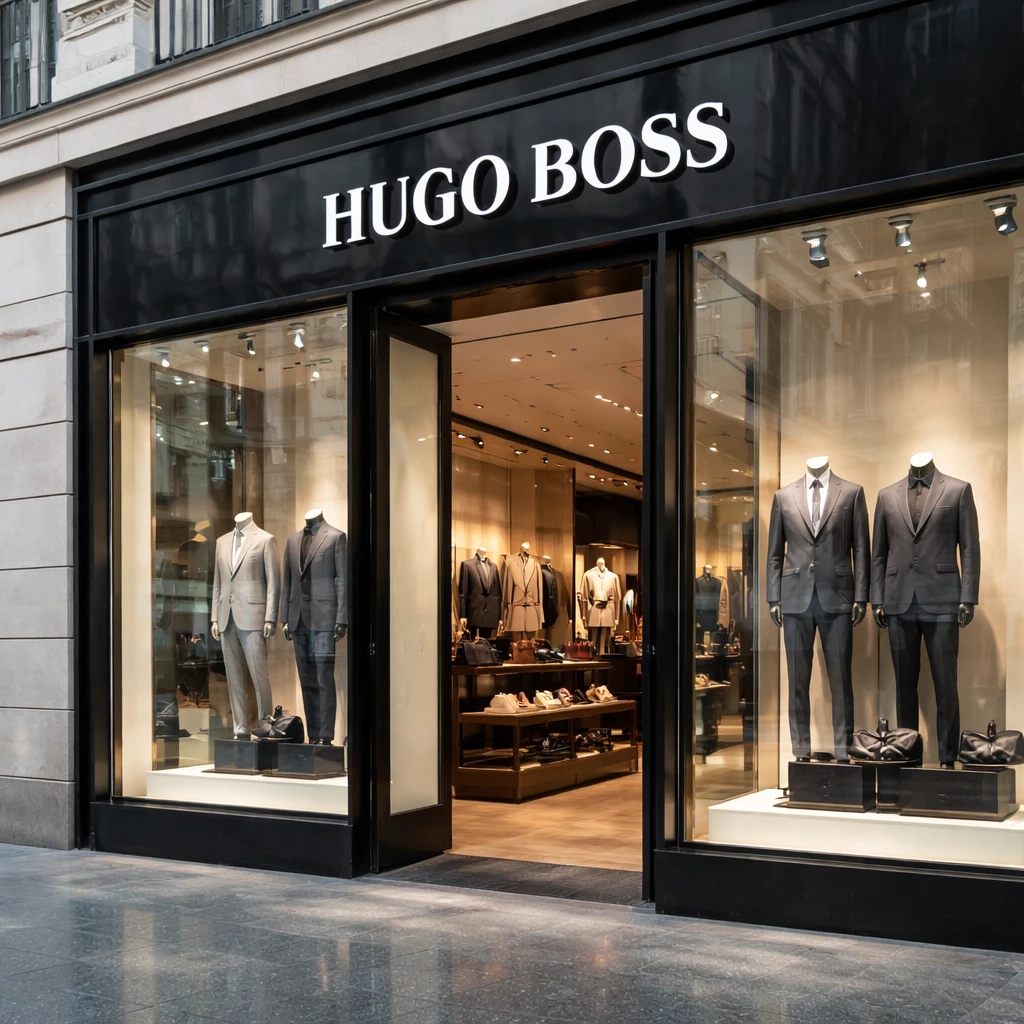
Frasers Group announced on Wednesday a voluntary public takeover offer aimed at the portion of Hugo Boss shares it does not currently control, proposing a cash price of €38 per share. That offer represents a roughly 4% premium to Hugo Boss’s closing price of €36.46 immediately prior to the announcement.
The proposed price places an implied equity valuation on Hugo Boss of about €2.7 billion. Frasers said the aggregate cash consideration for the roughly 74% of shares it does not already own would be around €2 billion. Completion of the transaction is expected by the second half of 2026, subject to receipt of required regulatory clearances.
Market reaction was immediate. Hugo Boss shares rose more than 6% in early trading on Thursday following the announcement, while Frasers shares moved lower, declining about 2.3%.
Why the premium is notable
Analysts have noted the limited nature of the premium offered by Frasers. The company framed the bid as a measure "to facilitate further investment," and its public statement referred to an increased stake rather than an intention to secure full ownership. That framing has prompted commentary that the proposal may be designed to broaden Frasers’ flexibility as a shareholder rather than to effect a full change of control at Hugo Boss.
Under German takeover law, any investor that crosses the 30% threshold of voting rights is obliged to launch a mandatory offer for the remaining shares. Frasers currently holds 26.06% of Hugo Boss’s share capital and 26.58% of voting rights, placing it close to that 30% threshold.
Potential scope of Frasers’ economic interest
In addition to its direct shareholding, Frasers reported holding a material portfolio of sold put options on Hugo Boss stock. If counterparties exercised those options in full, Frasers’ economic interest would equate to roughly 34.3 million shares, or about 49% of the company. The existence of these positions is a key element of how market observers are interpreting Frasers’ strategic intent.
Analyst and market commentary
Market commentary reflected skepticism that the intent behind the offer is to take unanimous control. The Financial Times, citing people familiar with the matter, reported that the low premium appeared crafted to remove the unpredictability associated with the potential need to make a mandatory offer while allowing Frasers to deepen its influence at Hugo Boss without necessarily acquiring full control.
Analysts at Jefferies expressed a similar reading, writing that the limited premium, explicit support for the incumbent Hugo Boss leadership, and the disclosure that the offer was made "to facilitate further investment" point toward a strategy of improving Frasers’ investment flexibility rather than an immediate plan to buy the company outright.
Morgan Stanley analysts offered another angle in a research note, drawing a comparison with a previous transaction structure elsewhere in European banking that they said could resemble Frasers’ approach. That note suggested the offer might satisfy regulatory obligations while expanding Frasers’ strategic room to maneuver.
Response from Hugo Boss
Hugo Boss provided a brief statement noting that the offer had not been coordinated with the company and that it would assess the bid before issuing a formal response. Beyond that initial notice, Hugo Boss has not made further public comment within the timeline covered by this report.
Impacted sectors
- Apparel and luxury retail - moves in ownership and capital allocation at a major brand can affect company strategy and sector peers.
- Financial markets - the positioning of large shareholders and option portfolios can influence equity dynamics and volatility.