
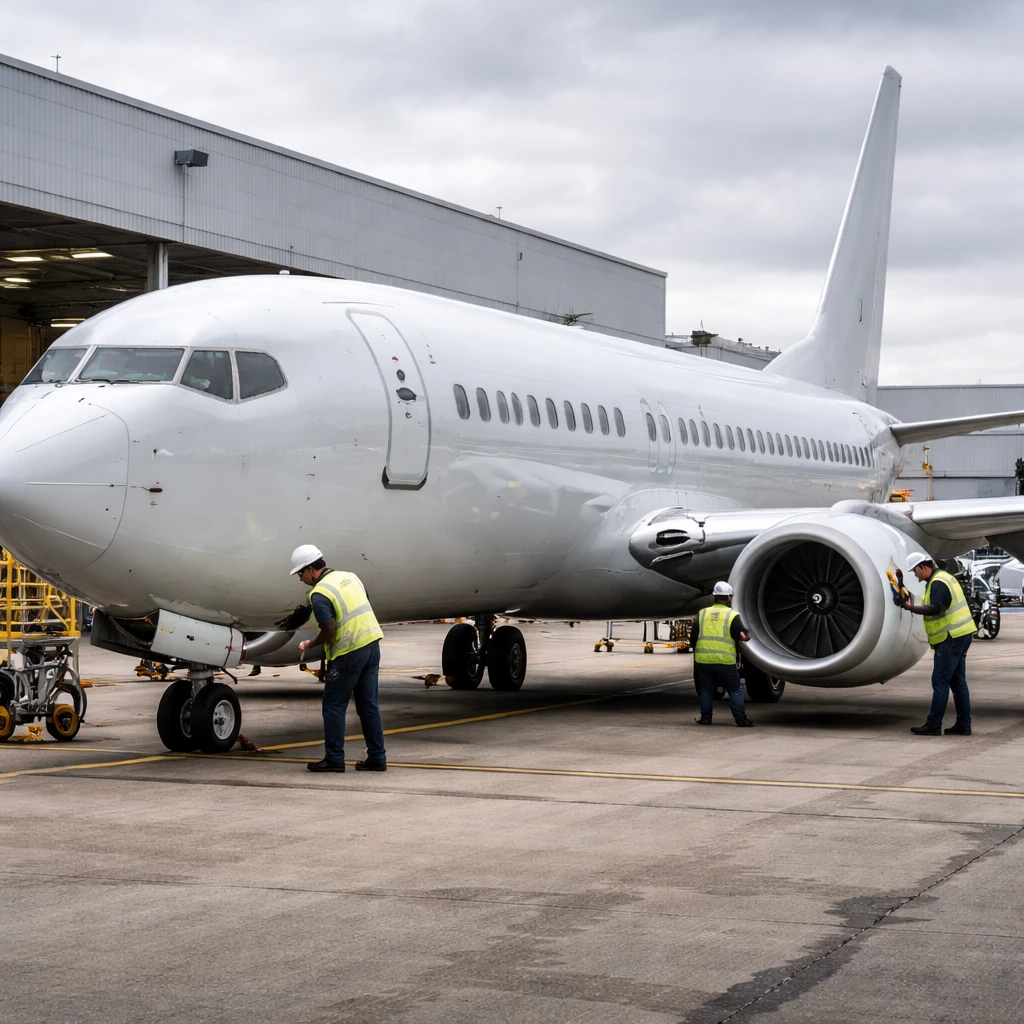
The Federal Aviation Administration on Monday approved the Boeing 737 MAX-7 for production, issuing an amended type certificate and an updated Production Limitation Record after nearly a decade of technical review and safety assessments. The announcement coincided with a roughly 5% rise in Boeing shares during afternoon trading.
The certification arrives significantly later than Boeing had planned. Company forecasts at one point anticipated regulatory approval before the end of 2022, but the timeline slipped as the FAA pursued a comprehensive review and required additional design modifications.
One of the notable engineering changes under scrutiny was a redesigned engine anti-ice system. Boeing said last month it was in the final stages of securing certification for that redesign, which the FAA had identified as a key modification. At the time, FAA Deputy Administrator Chris Rocheleau stated he expected certification for the larger 737 MAX-10 to follow shortly after the MAX-7.
The regulator described the approval as the culmination of an extensive certification process. Over the course of that process, the FAA either directly reviewed or conducted work related to flight controls, system safety, human factors, flightcrew alerting, and other safety-critical systems. The agency required additional testing, design changes, and engineering analyses before granting the amended certificate.
The FAA also said the MAX-7 incorporates multiple changes mandated by the Aircraft Certification, Safety, and Accountability Act as well as recommendations from the National Transportation Safety Board. Specific modifications include updated flight-control software, an enhanced flightcrew alerting system, and the redesigned engine anti-ice system intended to prevent engine inlet overheating and to improve structural safety.
As production ramps up, FAA safety inspectors will remain posted at Boeing manufacturing facilities to oversee production activity, monitor the company's Safety Management System, and assess its safety culture. That on-site oversight will continue as Boeing moves toward delivering certified aircraft.
Industry analytics firm Cirium reports Boeing has already assembled about 30 MAX-7 aircraft and nine MAX-10 jets that are awaiting certification and delivery. The MAX-10 makes up more than 28% of Boeing's outstanding 737 MAX order backlog, underscoring the significance of subsequent certifications for the company's delivery schedule.
Market reaction
News of the FAA approval coincided with a clear positive market response, with Boeing shares rising roughly 5% in afternoon trading. The certification clears a regulatory hurdle for the MAX-7 and sets the stage for supervision of production as deliveries move forward.