
The European Union is actively courting Brazil as a strategic partner in its effort to diversify supplies of critical minerals, offering a cooperation model that Brussels says will support Brazil's industrial development and capture higher-value processing at home.
EU Commissioner for International Partnerships Jozef Sikela made the point during a visit to the rare earth research and processing facility run by Australian miner Viridis Mining and Minerals in Poços de Caldas, located in the southeastern Brazilian state of Minas Gerais. The Viridis site is one of four priority projects identified to speed collaboration between the EU and Brazil.
Sikela framed the EU approach as one that prioritizes sustainable business practices and domestic processing of rare earths - an orientation that aligns with Brazil's stated aim of exporting more refined, higher-value minerals rather than primarily shipping raw ores. "What is extremely important is that also Brazil moves from the like a low-margin business so basically that the value is created here in the country," he said during an interview at the Viridis facility, noting Brazil's position as a growing economy and the EUs most strategic partner in Latin America.
The commissioner said that the proposed partnership would allow the EU to secure supplies through purchase agreements while simultaneously helping Brazil build refining capacity, gain access to new technologies and move up the rare earth supply chain into higher-margin production.
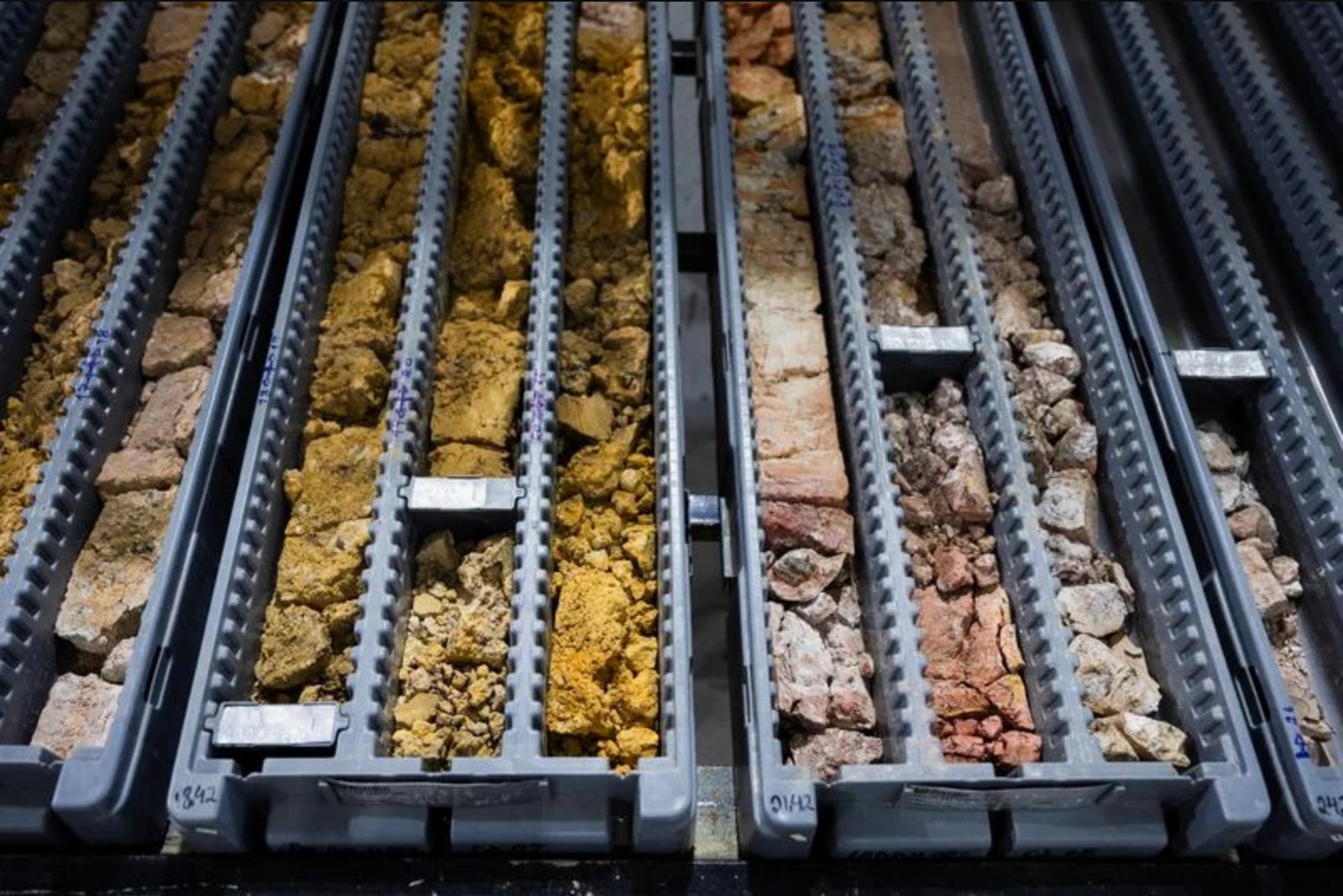
Viridis opened a pilot mining project in Minas Gerais in May. The pilot is capable of processing 100 kilograms of ore per hour and producing up to 2.92 kg of mixed rare earth carbonate (MREC) annually. The company plans a substantial ramp-up: an investment of $360 million to build a commercial plant capable of producing 15,000 tons of MREC per year from 2028, operating across 228.62 km² of licensed areas in Minas Gerais.
Sikela highlighted multiple benefits he sees in the Viridis project, saying it "creates jobs, creates new partnerships, brings new technologies, education and knowledge transfer, all based on the most advanced environmental, social and technical standards." He presented those outcomes as core to the EU's value proposition when engaging partners in resource-rich countries.
Dealmaking and negotiations are underway. Sikela pointed to a non-binding letter of intent signed earlier this month between Viridis and Belgian chemicals company Solvay to supply MREC. That arrangement could widen into a deeper partnership encompassing technical processing support.
Viridis CEO Rafael Moreno told Reuters that talks with the EU are at an advanced stage and that the potential agreement with Solvay could be finalized by the end of July. Moreno also said the company is aligned with European guidelines on diversifying the rare earth supply chain and remains open to partners across multiple regions. At the end of last month he said Viridis was in advanced negotiations with potential buyers in Europe and the United States.
The Viridis developments come amid heightened global competition for rare earths and other critical minerals as Europe and the United States aim to reduce reliance on China, which is the largest global producer of these materials. Sikela said the EU's strategy is designed to cut "dependencies" across global supply chains - a priority underscored by recent systemic shocks such as the pandemic and the war in Ukraine - and he stressed that the concern goes beyond any single supplier.
In addition to rare earths, Sikela indicated that the EU considers other critical mineral projects in Brazil - including nickel and lithium - as priorities. He said Brussels plans to advance a memorandum of understanding with the Brazilian government, although he added that details of such an agreement are still being negotiated.
When asked whether the EU had been slow to compete for assets in Brazil, Sikela rejected that characterization and emphasized the EU's comparative strengths. "Our value proposition is more beneficial than what these others want," he said, citing sustainability, job creation and education as differentiators for European partnerships.
Moreno reiterated Viridis' openness to a multi-region partnership approach and the company's progress in lining up buyers and technical partners in Europe and North America.
As the EU pushes to secure alternative sources of critical minerals, the Viridis project and the wider Brazil-EU engagement will be watched closely by markets tied to mining, chemicals, and technology sectors that depend on rare earths and other critical raw materials.