
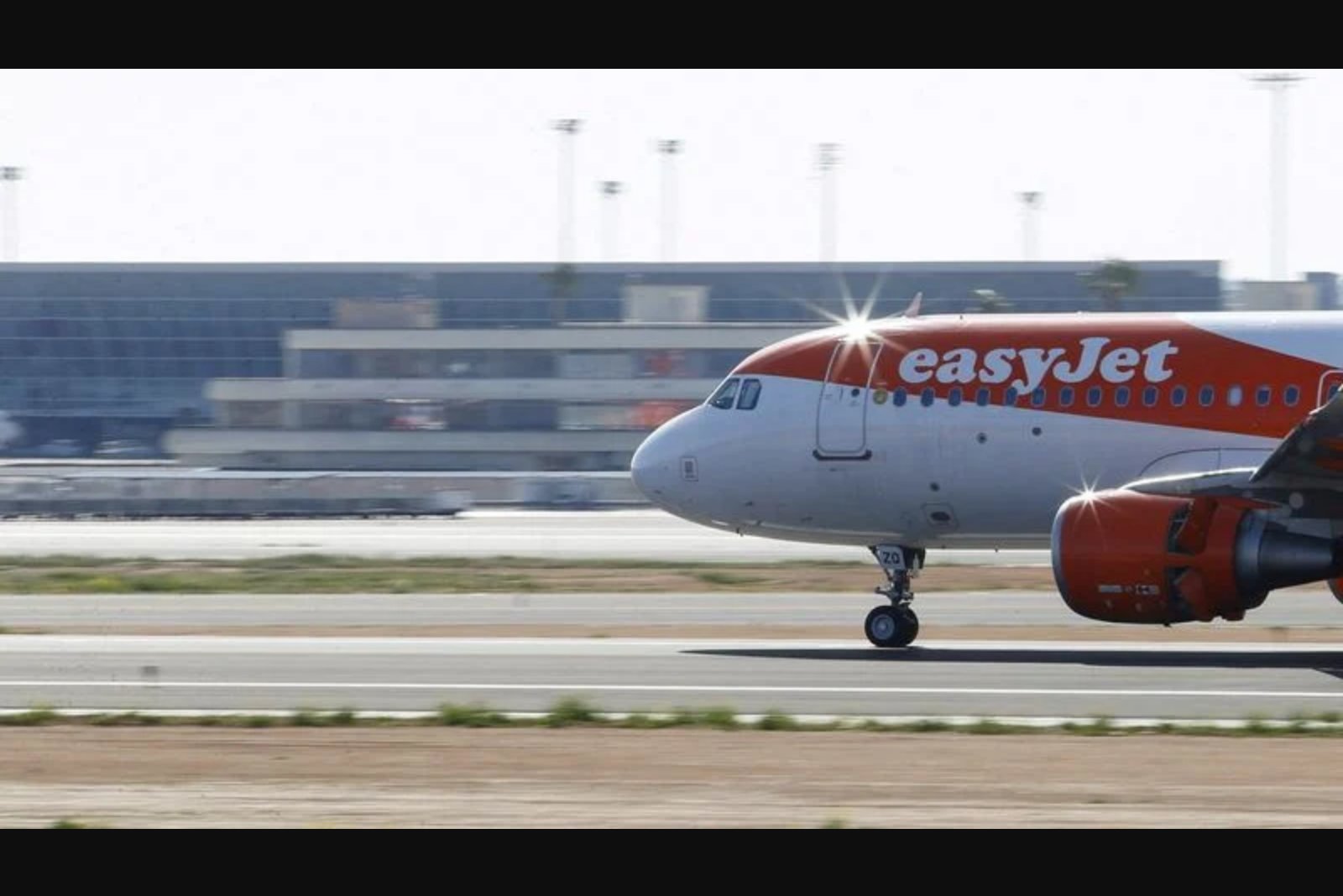
EasyJet announced on July 10 that its board had agreed in principle to a £5.7 billion proposal from U.S. investment firm Apollo Global Management, withdrawing its prior support for a Castlelake transaction valued at roughly £5.5 billion. The decision triggered a sharp market reaction, with the airline's shares rising as much as 15% on the day.
A compact corporate timeline
The airline's corporate journey spans three decades. In 1995 founder Stelios Haji-Ioannou launched flights from London Luton to Glasgow and Edinburgh, positioning the carrier as a low-cost challenger to established operators. EasyJet listed in London in 2000 with a valuation of £777 million. The early 2000s saw consolidation: the carrier bought rival Go Fly in 2002, and Stelios stepped down as chairman that year. In 2007 easyJet added GB Airways to its fleet of acquisitions.
Over the next decade the company's ownership and strategy dynamics often put it at odds with its founder. By 2008 tensions between Stelios and the board over growth strategy became public. Between 2009 and 2010 easyJet weighed cutting back fleet expansion amid the global economic downturn; Stelios left the board and led a shareholder effort against fleet growth but did not succeed in unseating management. A separate two-year dispute over use of the founder's brand name was later resolved.
Between 2011 and 2013 easyJet modernised its fleet, purchasing 135 Airbus aircraft. The COVID-19 pandemic in 2020 forced the airline to cut around 4,500 jobs and reduce its fleet. In 2021 the company rebuffed a takeover bid from Wizz Air and secured $1.7 billion in fresh capital from existing shareholders. Earlier in 2026 easyJet reported that summer bookings were building strongly even as it recorded a wider first-quarter loss.
A rapid sequence of takeover approaches
The most recent episode began on May 29 when Minneapolis-based aviation investor Castlelake disclosed it was considering an offer for the airline. EasyJet criticised the timing on June 1, calling Castlelake's approach "highly opportunistic" and pointing to a temporary share-price depression caused by the Iran conflict earlier in the year.
Over June the parties traded a series of private and public proposals and rejections. On June 12 Castlelake privately proposed £5.60 per share, which easyJet rejected on June 16. The investor returned with a private £6.00 per-share bid on June 17; the board rejected that on June 20, at which point Castlelake raised its private offer to £6.25 per share. EasyJet rejected that third proposal on June 21, describing it as "cheap."
On June 22 Castlelake went public with a £6.25-per-share offer and stated that its bid structure would meet EU majority-ownership rules. The following day Castlelake privately submitted a fourth proposal at £6.50 per share, which easyJet later disclosed. On June 25 easyJet said it had rejected the £6.50 proposal but agreed to share some internal information with Castlelake in the hope of attracting a higher bid, and it set a July 5 deadline.
On July 5 the two sides announced a deal in principle at £6.90 per share, valuing the carrier at £5.5 billion on a fully diluted basis. Five days later, on July 10, easyJet shifted its support to Apollo's proposal and withdrew backing for the Castlelake approach.
Market and stakeholder reactions
The July 10 vote of support for Apollo's plan pushed easyJet's stock sharply higher intraday. Market data cited on the same day indicated EZJ up 14.23% and APO up 1.44% in real-time figures included in reporting. The founder, Stelios, declined to comment on Apollo's proposal, as he had with Castlelake's prior approaches.
Exchange rate note: ($1 = £0.7490)
This sequence leaves easyJet at the center of a takeover contest after more than 30 years as a public low-cost carrier, with recent financial volatility and strategic disagreements between founder and management forming part of the backdrop to the bids.