
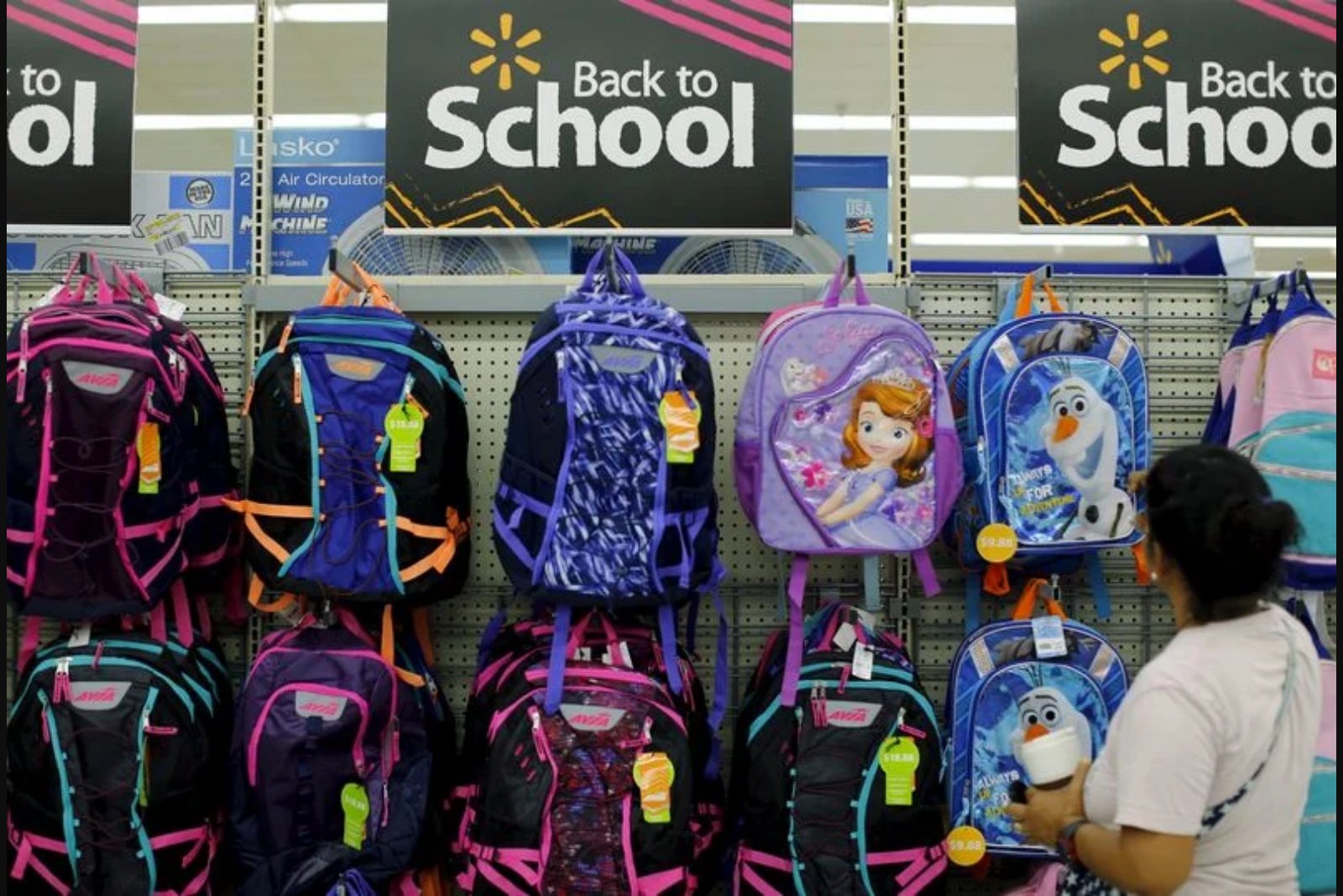
U.S. household expenditures for the back-to-school season are expected to cool this year, with spending on K-12 students down on an inflation-adjusted basis, according to a Deloitte consumer survey released on Thursday.
Deloitte projects total back-to-school outlays at $30.4 billion, representing an average of $557 per K-12 student compared with $570 per student in the prior year. The firm says this equates to an approximately 6% decline once adjusted for inflation.
Consumer outlook and spending priorities
The survey finds rising pessimism among households with school-age children: 57% of respondents expect the economy to worsen over the next six months, the highest proportion recorded since 2020. That weakening sentiment appears to be shaping purchase choices, with families emphasizing necessities.
- Clothing is being prioritized as families seek to cover essential needs.
- Technology purchases are likely to be reduced as shoppers tighten budgets.
- Roughly half of households surveyed plan to cut spending on dining out and entertainment to free up money for school-related items.
The survey also points to a change in shopping timing: many families are postponing purchases until closer to the start of the school year, a pattern Deloitte notes as differing from some other forecasts that had anticipated earlier shopping activity.
Value-seeking behavior and spending patterns
Deloitte identifies a meaningful cohort of price-conscious parents. About one-third of K-12 parents in the survey meet the study's definition of "hyper value-seekers." Paradoxically, Deloitte expects that group to spend more overall than other shoppers: approximately 14% more.
"We see parents approach back-to-school shopping with intent. They tend to be more thoughtful about their spending and value-seeking strategies to help maximize their wallets," said Brian McCarthy, principal of retail strategy at Deloitte Consulting.
Context on retail significance and other forecasts
The back-to-school season is a regular but modest component of overall retail activity, accounting for about 2.3% of total annual U.S. retail sales. The National Retail Federation reports $128.2 billion in back-to-school spending in 2025.
In contrast to Deloitte's per-student estimate, PwC has produced a separate forecast that families will spend about $922 on average on back-to-school shopping this year, a figure PwC says is up roughly 47% from 2025.
Survey methodology
The Deloitte findings are based on an online survey conducted via an independent research panel between May 22 and May 29. The sample included 1,207 parents with at least one child in grades K-12.