
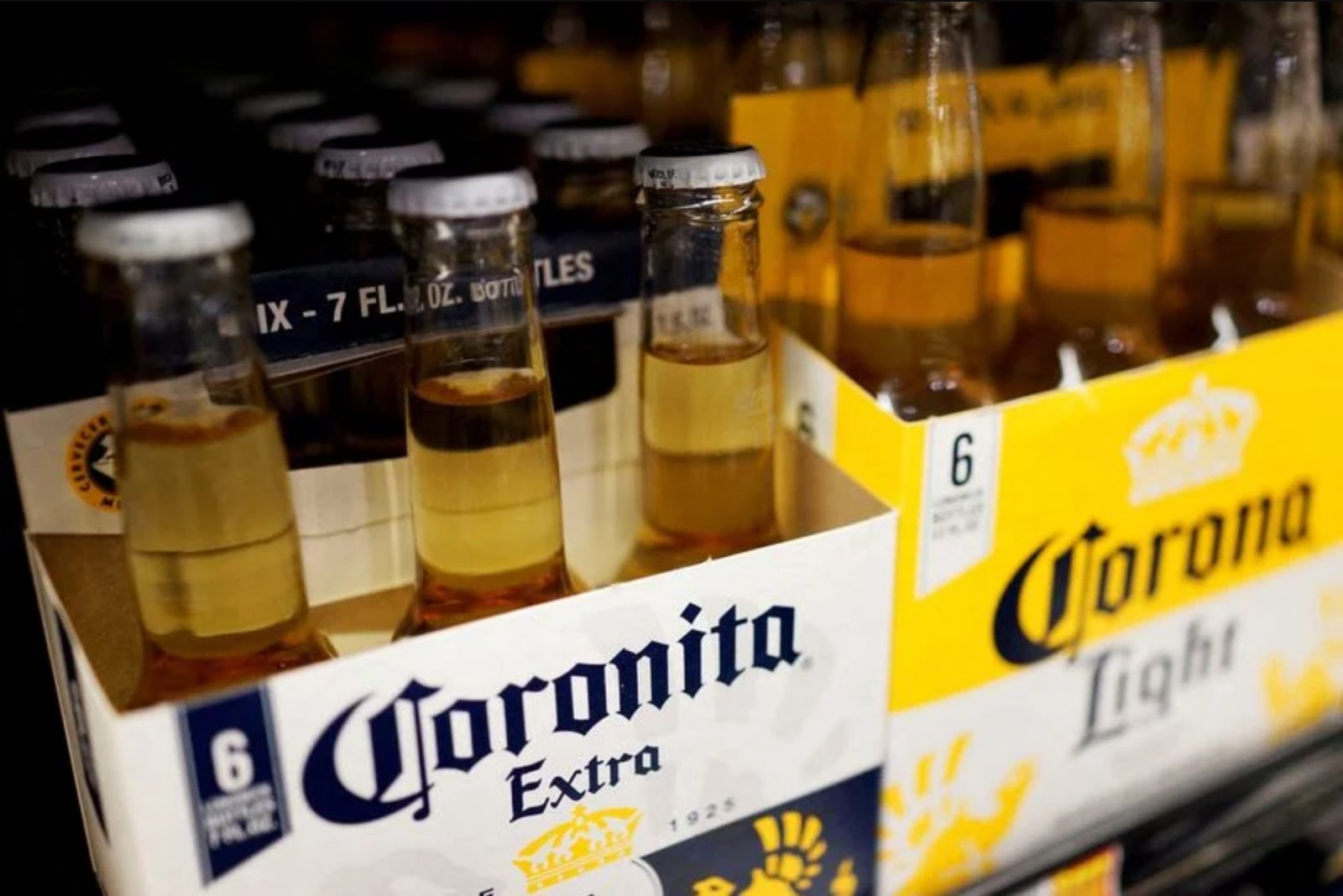
Constellation Brands is seeing U.S. beer consumption recover after a sluggish beginning to 2026, with a cluster of high-profile sporting events and national celebrations cited as catalysts for renewed social occasions and increased purchases.
The company said demand for core labels including Corona Extra and Modelo Especial has improved, supporting upbeat quarterly results. Beer sales climbed about 2% in the three months ended May 31, the company reported, which represented the second quarter in a row of growth after three consecutive quarterly declines.
Sports and celebrations as demand drivers
Management pointed to a volley of events that encouraged gatherings and beer occasions. Constellation CEO Nicholas Fink noted the combined impact of the World Cup and strong local energy around the New York Knicks, whose championship run produced heightened social activity. "It was great to see both World Cup and some of the energy that we saw in one of our key markets like New York, (from) the Knicks which ... (provided) some lift," Fink said on a call, referencing New York's celebration following the Knicks' first NBA championship since 1973.
Fink also described vivid scenes from New York, saying: "The pictures from New York, I thought, were remarkable, to see young people being together, watching the game projected on the sides of buildings, and those are beer occasions." Those kinds of communal viewing events, the company suggested, translate into incremental sales.
Broader calendar overlap
Analysts and company spokespeople highlighted an unusual clustering of calendar events this summer. The U.S. hosting the World Cup, the Fourth of July holiday and commemorations of America's 250th anniversary coincided to create an extended window for gatherings, boosting spending on barbecues, watch parties and related activities, Suzy Davidkhanian, an analyst at eMarketer, said.
Davidkhanian added that international visitors to World Cup host cities were expected to provide an additional lift in those markets.
Demographic and cultural tailwinds
Constellation and industry observers also noted that passionate soccer followings, particularly in Hispanic communities, amplify demand for certain brands. "There is a huge amount of passion for football, soccer in Hispanic culture," said Hamish Campbell, drinks specialist at Denomination. He said Mexican fans celebrating worldwide help brands such as Corona and Modelo tap into a major customer base.
Results in context
While Constellation posted a rebound in beer sales and reported upbeat quarterly results, the company and sector continue to face structural pressures. Industry participants have flagged slowing demand linked to shifts toward healthier lifestyles, the growing adoption of prescription weight-loss medications and consumer strain from higher living costs. Those longer-term factors remain part of the backdrop against which event-driven boosts are playing out.
Key points
- Constellation Brands saw U.S. beer sales rise about 2% in the quarter ended May 31, its second straight quarterly increase after three quarters of declines.
- Major events - including the World Cup, the NBA Finals energy around the New York Knicks, the Fourth of July and America's 250th anniversary celebrations - have created an extended period of social gatherings that supported beer consumption.
- Sectors impacted include alcoholic beverages, consumer staples and hospitality/foodservice, which benefit from increased social gatherings and tourism tied to large events.
Risks and uncertainties
- Slowing demand driven by shifts toward healthier lifestyles could limit long-term growth in beer consumption - a risk for producers and retailers in the alcoholic beverages sector.
- The growing popularity of weight-loss drugs is cited as a factor reducing alcohol consumption for some consumers, presenting an uncertainty for beverage makers and on-premise operators.
- Ongoing pressure on household budgets from higher living costs may constrain consumer spending over time, affecting sales across consumer staples and leisure sectors.
Note: Information in this article is based solely on the company's comments and analyst remarks from the reporting period described above.