
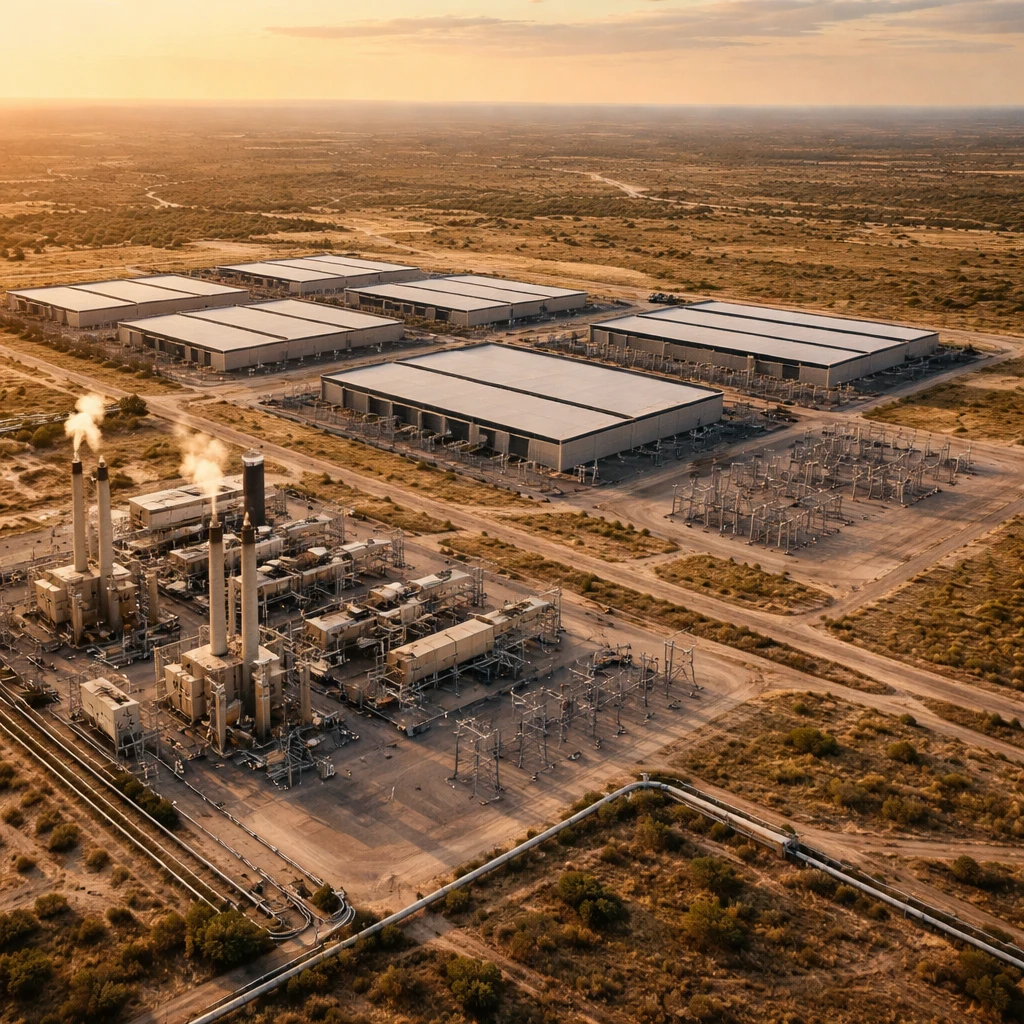
Chevron stock rose 1.3% in pre-market trading after the company disclosed a 20-year power purchase agreement with Microsoft Corp to supply natural-gas-fired electricity to a proposed, very large data center campus in West Texas. The arrangement is tied to Project Kilby, a development being advanced in partnership with investment fund Engine No. 1.
Project Kilby is planned as a phased, modular build intended to ultimately deliver approximately 2.67 gigawatts of capacity. The developers are targeting initial power deliveries in 2028, with a final investment decision expected before the end of the year. The scale and timeline of the project were prominent elements cited by market participants reacting to the announcement.
A central point that resonated with investors is the transaction structure, which is designed to generate cash flow that is decoupled from oil and gas price cycles. The project is being marketed with an explicit aim of achieving mid-teen returns, a characteristic noted as a potential differentiator for Chevron given the historical tendency of its shares to move with crude price benchmarks.
Beyond the financial design, the deal addresses a practical environmental and production issue in the Permian Basin. Gas that might otherwise be stranded and flared is intended to be captured and converted into baseload electricity to power AI-driven computing infrastructure at the campus. That use case was described as converting a local resource that would otherwise be wasted into a steady power supply for intensive computing loads.
Chevron’s New Energies president is scheduled to present at the J.P. Morgan energy conference on June 23, a planned appearance that kept additional attention on the company heading into the event.
Market context amplified the reception of the announcement. U.S. equities were broadly higher in pre-market trading, with the S&P 500 up 1.1% and the NASDAQ gaining 1.9%, while the Dow Jones Industrial Average was modestly higher. That constructive risk-on backdrop helped lift energy names, including Chevron, in early trading.
Energy peers such as ExxonMobil and Shell operate in the same macro environment, which the market continues to view through the lens of geopolitical uncertainty over Middle East supply and an active debate about whether a potential diplomatic outcome with Iran in Washington could ease oil prices. Those broader dynamics were referenced as part of the market backdrop that shaped investor sentiment.
Analyst commentary also factored into the stock move. A supportive stance from Jefferies, which carried a Buy rating on June 15, combined with the high-profile, long-duration partnership with one of the world’s largest technology companies to reinforce the narrative that Chevron is actively working to diversify its revenue and earnings base beyond traditional upstream oil and gas activities. Microsoft shares were quoted at +0.13% in the same context.
Taken together, the corporate partnership, an affirmative analyst view, and a broadly rising equity market contributed to upward pressure on Chevron shares in pre-market trading, reinforcing investor focus on the company’s efforts to create earnings streams that are less directly correlated with commodity cycles.