
Stock Markets June 10, 2026 11:54 PM

Changchun Unveils 2030 Auto Sector Overhaul, Eyes BYD and Xiaomi for EV Expansion

Draft plan seeks consolidation in China’s auto industry and aims to recruit leading EV players to bolster northern production and smart-vehicle capabilities

By Avery Klein
Share
Twitter Reddit Facebook LinkedIn
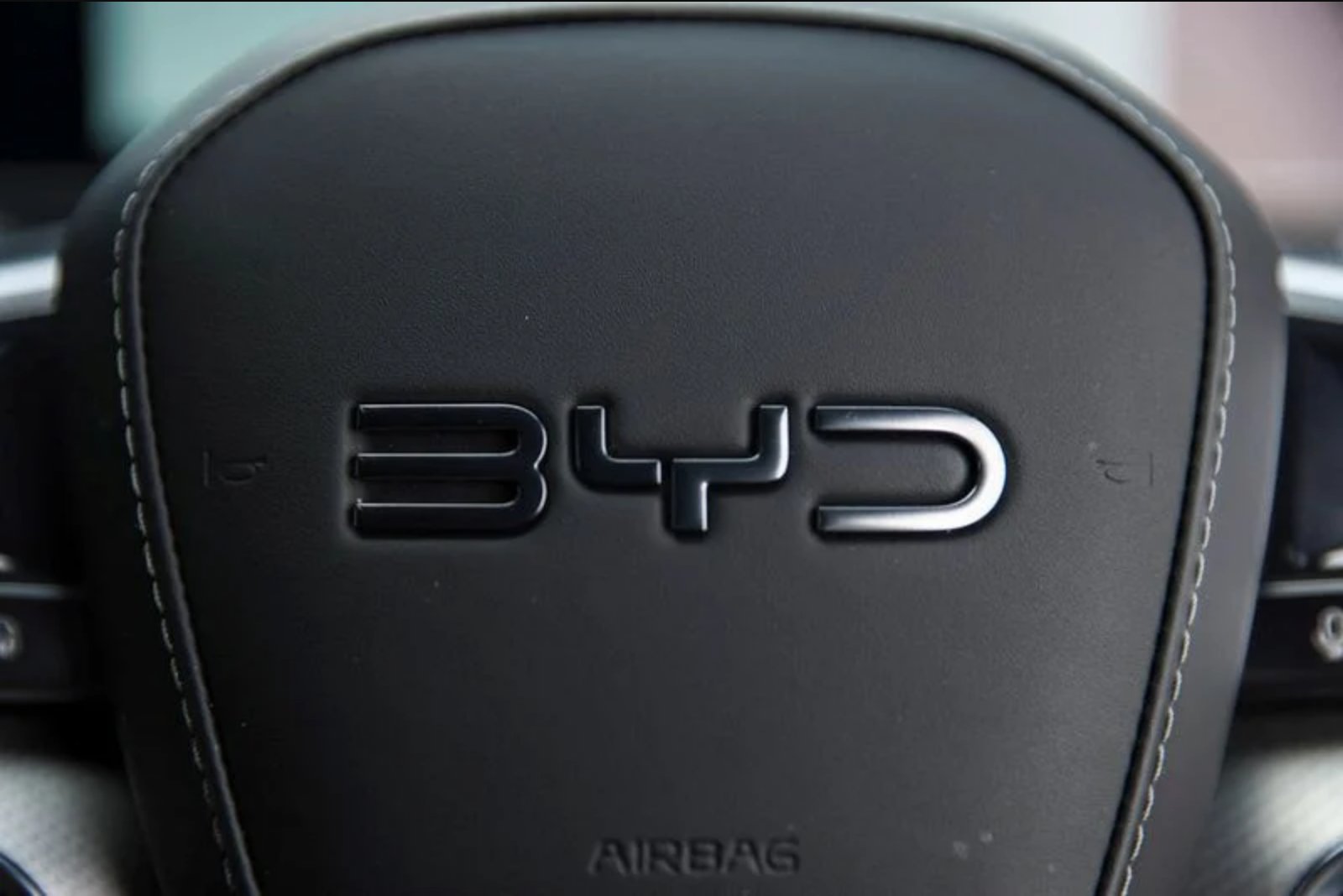
BYD

Changchun has published a draft through 2030 to restructure its long-established auto industry, leveraging FAW Group's headquarters to attract partners and targeting high-growth electric-vehicle companies including BYD and Xiaomi to establish production bases, R&D centres, or key component projects. The draft projects deep consolidation in China’s domestic automaker landscape and highlights FAW's declining output as a factor likely to prompt restructuring pressure.

Changchun Unveils 2030 Auto Sector Overhaul, Eyes BYD and Xiaomi for EV Expansion
BYD
Summarize with
ChatGPT Perplexity Claude Grok Gemini

Key Points

  • Changchun released a draft plan through 2030 aiming to overhaul its long-established auto sector and attract EV makers.
  • The draft projects consolidation of China’s domestic auto industry from 71 automaker groups today to about 15 by 2030.
  • The city plans to leverage FAW Group's headquarters to bring in partners such as Leapmotor and is targeting BYD and Xiaomi for production bases, R&D centres, or key component projects.

June 11 - Changchun, the northeastern Chinese city that hosts FAW Group's headquarters, has issued a draft plan extending to 2030 that outlines a comprehensive effort to remake its decades-old automotive cluster and to draw major electric-vehicle players to the region.

The plan, published earlier this week by the city's industry and information technology bureau, sets out an aggressive view of industry restructuring. It projects a significant consolidation of China’s domestic auto sector, forecasting that the number of automaker groups will shrink to roughly 15 by 2030 from the current total of 71.

Within the draft, officials highlight the recent downturn in FAW Group's production and sales performance. That deterioration is described as raising the prospect of restructuring pressure on FAW, the state-owned automaker headquartered in Changchun.

Changchun intends to leverage FAW's local presence as an anchor to attract strategic partners. The city specifically names Leapmotor as an example of a potential collaborator to bring new vehicle models into the local production pipeline, using the FAW base as a foundation for renewed model introductions.

Beyond partnerships built around FAW, the draft expresses clear ambition to recruit high-growth automakers. It identifies BYD and Xiaomi as target companies for setting up northern production bases, establishing smart vehicle research and development centres, or investing in key component projects to broaden Changchun's industrial base.

The measures outlined in the draft converge on two objectives: consolidate and strengthen the local industry structure, and diversify the industrial mix through new entrants in EV manufacturing and smart-vehicle technology. The plan treats the presence of established assets in Changchun, notably FAW's headquarters, as a strategic advantage for those aims.

Local officials frame the initiative as a response to shifting market dynamics across the auto sector and as a way to reposition Changchun for the electric-vehicle era. The draft contains both targets for the number of automaker groups and specific company types the city hopes to attract, while also flagging the recent operational weaknesses at FAW as a driver for potential restructuring.


Impacted sectors: automotive manufacturing, electric-vehicle supply chain, smart-vehicle R&D, and regional industrial development.

Risks

  • FAW Group has seen declines in production and sales in recent years, increasing the likelihood of restructuring pressure on the state-owned enterprise - this affects local employment, supplier networks, and regional manufacturing output.
  • The draft anticipates sharp consolidation in the domestic auto sector, which could disrupt smaller automakers and parts suppliers dependent on the current market structure.
  • The plan's goals depend on successfully attracting targeted firms such as BYD and Xiaomi to establish facilities or R&D centres in Changchun - the draft notes the intent but does not guarantee outcomes.

More from Stock Markets

FS.COM Shares Spike After Board Approves H-Share Repurchase Plan Jun 11, 2026 Core Lithium to Spin Out Exploration Units; Shares Jump After Announcement Jun 11, 2026 JD.com Shares Fall as Chinese Regulator Probes Alleged False Advertising Jun 11, 2026 Target Shareholders Decline Proposal to Separate Board Chair and CEO Oversight Jun 11, 2026 Keurig Dr Pepper Shares Slip After-Hours as Large Block Trade Surfaces Jun 10, 2026