
Commodities September 9, 2026 03:55 AM

Brent Reclaims $100 as Middle East Hostilities Pressure Oil Flows

Escalating regional attacks and supply disruptions push Brent above the symbolic $100 mark, with major banks revising forecasts upward

By Caleb Monroe
Share
Twitter Reddit Facebook LinkedIn

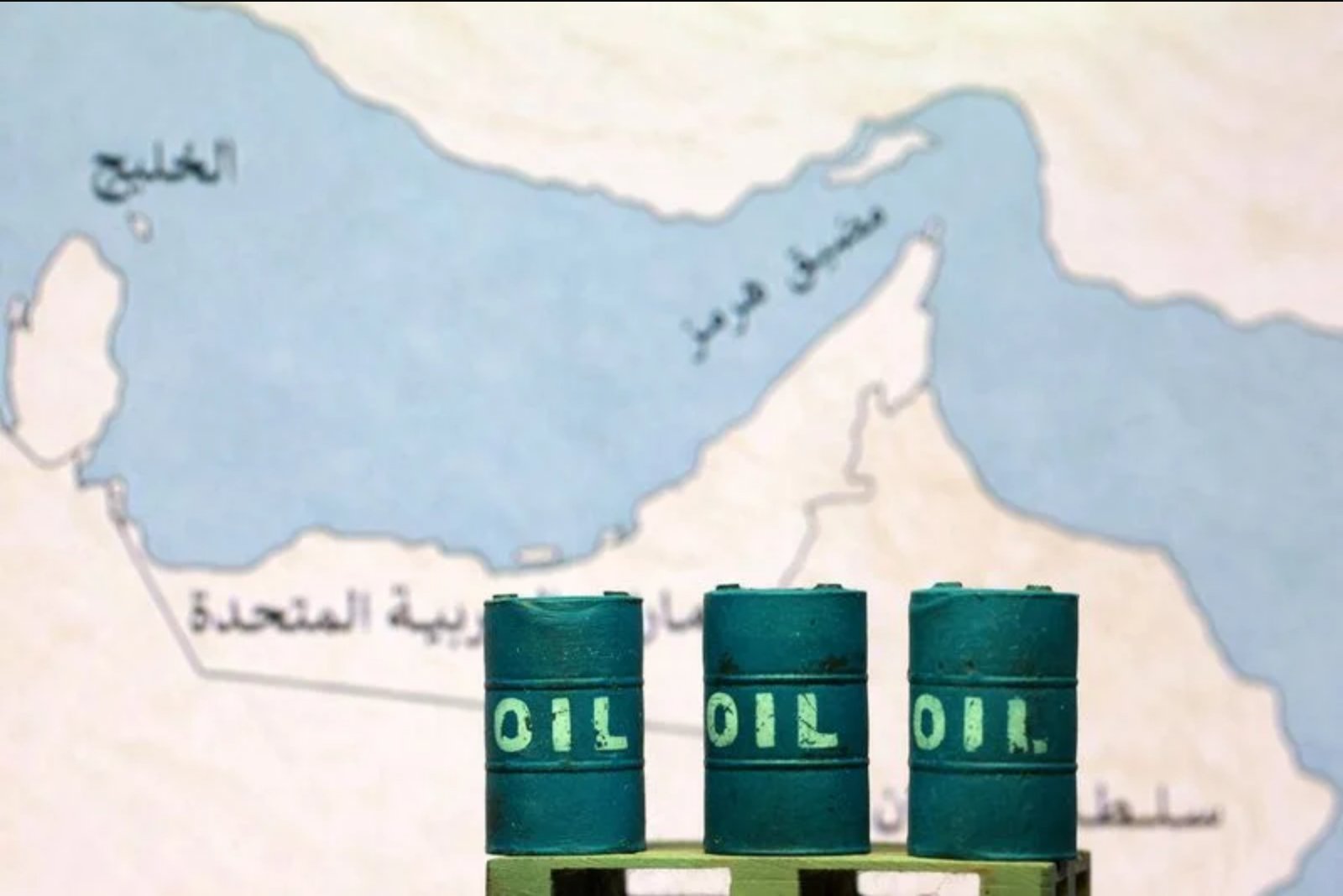
Brent crude futures rose above $100 a barrel on Sept. 9 as renewed violence in the Middle East heightened concerns about the security of oil shipments and output. U.S. West Texas Intermediate also climbed, while analysts and some major banks have lifted price projections amid shrinking flows through the Strait of Hormuz and threats to Red Sea transit routes.

Brent Reclaims $100 as Middle East Hostilities Pressure Oil Flows
Summarize with
ChatGPT Perplexity Claude Grok Gemini

Key Points

  • Brent crude rose above $100 a barrel, trading at $100.07 by 0721 GMT, while U.S. WTI was $94.73 - indicating immediate upward pressure on global oil benchmarks.
  • Attacks by Iran-backed Houthi forces on Saudi energy facilities and threats to Red Sea shipping have intensified concerns about crude transit routes and supply security - affecting energy and shipping sectors.
  • Major banks including Goldman Sachs, Bank of America and HSBC have raised crude price forecasts, reflecting changing market expectations that could influence energy-linked financial markets and commodity trading.

SINGAPORE, Sept 9 - Benchmark Brent crude futures climbed past the $100 a barrel threshold on Wednesday, topping that symbolic level for the first time since July 24 as renewed conflict in the Middle East increased worries about the reliability of oil flows from the region.

By 0721 GMT, Brent contracts were trading at $100.07 a barrel, up $2.15 or 2.2% on the session. U.S. West Texas Intermediate crude rose by $1.70, or 1.83%, to $94.73 a barrel at the same time.

Prices for Brent have advanced about 25% since early last month as prospects for a lasting resolution to the six-month-old U.S.-Iran conflict have diminished. This week, attacks by Iran-backed Houthi forces on Saudi energy facilities set oil infrastructure ablaze, raising the prospect of a wider escalation of the confrontation.

The Houthi strikes also pose a direct risk to crude shipment routes via the Red Sea, an important alternative corridor to the Strait of Hormuz. The Strait of Hormuz itself has seen crude flows severely curtailed since the February 28 start of the Iran war, amplifying concerns about global supply channels.

A growing number of financial institutions have responded to the market moves by raising their price outlooks. Banks mentioned in market reports in recent days that have increased crude price forecasts include Goldman Sachs, Bank of America and HSBC.

Data shared by Rystad Energy, cited by its Chief Economist Claudio Galimberti, underline the volatility in Hormuz flows. In the week before fighting resumed on August 30, roughly 8 million to 9 million barrels per day moved through the strait - about double the previous week’s volume - although more recent flows have fallen below 2 million barrels per day.

Supply-side offsets to the regional strain have come from non-OPEC producers. The United States, Canada and Guyana have increased output in recent periods, but those gains were set against an International Energy Agency projection issued last month indicating a contraction in global oil supply this year of 4.3 million barrels per day, or roughly 4%.

The market reaction on Wednesday reflected those intersecting forces: tightened regional transit, fresh disruptions from attacks on energy infrastructure, and upward revisions to pricing expectations from major lenders. Traders and industry participants will be watching both shipping lanes and announced production changes closely in the near term.

Risks

  • Escalation of the Middle East conflict - further attacks or widening hostilities could disrupt additional oil infrastructure or shipping lanes, increasing volatility in energy, shipping, and refining sectors.
  • Severe curtailment of flows through the Strait of Hormuz - continued low throughput (recently below 2 million bpd after a brief rise to 8-9 million bpd) increases supply uncertainty for oil-dependent industries and commodity markets.
  • Declining global supply forecast - the International Energy Agency’s projection of a 4.3 million bpd drop in global oil supply this year raises risk of sustained price pressure, impacting consumers, transportation, and industrial fuel costs.

More from Commodities

European Gas Prices Jump to 2023 Peaks as Middle East Fighting Threatens LNG Routes Sep 9, 2026 Iraq Seeks Big Boost to OPEC+ Quota as Capacity Review Nears Completion Sep 9, 2026 Gold Edges Higher as Dollar Softens; Fed Rate Prospects Keep Gains in Check Sep 8, 2026 Oil prices climb as U.S.-Iran hostilities raise supply and shipping concerns Sep 8, 2026 Oil rises over $1 as Iran fires missiles at Jordan, stoking regional tensions Sep 8, 2026