
Stock Markets June 18, 2026 11:24 PM

BHP Shares Slide After Major Cost Overrun and Multibillion-Dollar Write-Down at Jansen

Revised Stage 2 budget and an expected impairment weigh on stock as broader Australian market softens

By Hana Yamamoto
Share
Twitter Reddit Facebook LinkedIn
BHP

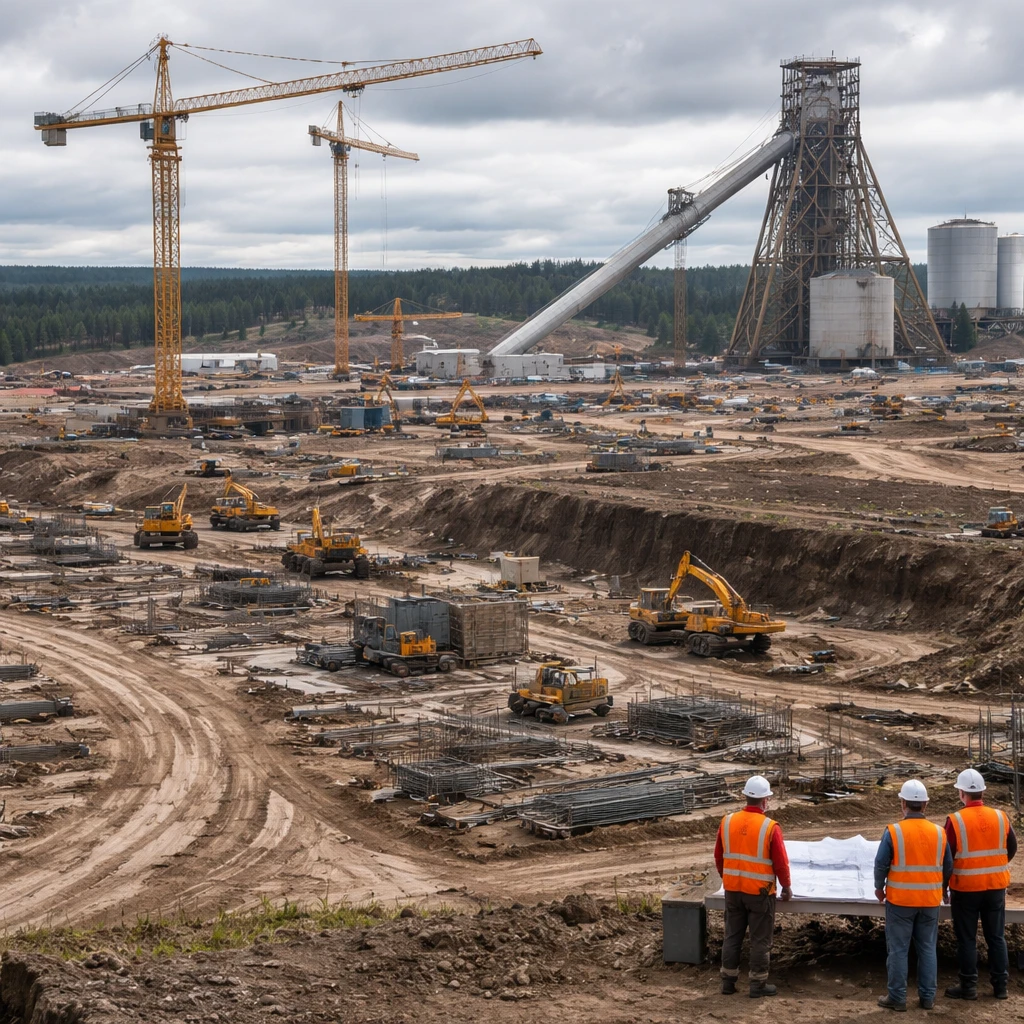
BHP shares fell sharply after the miner disclosed a substantial cost increase for the Stage 2 expansion of its Jansen potash project in Saskatchewan, and flagged an expected impairment charge to be recorded in fiscal 2026. The company said the Stage 2 budget rose from $4.9 billion, approved at sanction in October 2023, to US$6.9 billion. Management pointed to longer construction hours, greater material requirements and broad cost escalation as drivers. The update, together with a two-year delay to first production and an anticipated impairment of about $2.0 to $2.3 billion, prompted a re-rating of BHP’s potash growth prospects and contributed to a decline in the stock and pressure on the wider Australian market.

BHP Shares Slide After Major Cost Overrun and Multibillion-Dollar Write-Down at Jansen
BHP
Summarize with
ChatGPT Perplexity Claude Grok Gemini

Key Points

  • Stage 2 budget for the Jansen potash project rose from $4.9 billion (approved at sanction in October 2023) to US$6.9 billion, driven by higher construction hours, increased material quantities and broad cost escalation.
  • BHP warned of an anticipated impairment charge of approximately $2.0 to $2.3 billion to be recognised in fiscal 2026, reflecting higher capital intensity across the whole Jansen project.
  • The stock fell to an intraday low of A$62.44 and traded at A$62.57 after the disclosure, while the S&P/ASX 200 declined around 1.0% amid broader risk-off sentiment.

BHP shares dropped 3.8% to trade at A$62.57 on Friday after the company disclosed a significant budget overrun and a sizable write-down tied to its Jansen potash development in Saskatchewan, Canada.

The miner said the Stage 2 expansion budget has increased from $4.9 billion - the amount approved at sanction in October 2023 - to US$6.9 billion. BHP attributed the uplift to higher construction hours, larger material quantities and broader cost escalation across the project.

Alongside the budget revision, the company indicated it expects to recognise an impairment charge in the range of roughly $2.0 to $2.3 billion in its fiscal 2026 results. Management said the impairment reflects the higher capital intensity now required across the entire Jansen development.

The domestic market offered little offset to the news. The S&P/ASX 200 fell by about 1.0% on the same day amid a wider risk-off tone, leaving BHP vulnerable to the negative headline on the Jansen program.

Investors reacted to three linked developments: a markedly higher project cost estimate, a two-year delay to first production at Jansen, and an impairment approaching US$2.3 billion. That mix of factors acted as a strong negative catalyst and pushed shares to an intraday low of A$62.44, noticeably below the stock’s 52-week high of A$65.98 reached just days earlier.

The market response effectively repriced the risk associated with BHP’s long-term potash expansion, reflecting the increased capital required and the shifted production timetable. The company’s disclosure quantified both the upward pressure on Stage 2 capital and the likely accounting impact to be recorded in fiscal 2026.


Key takeaways from the update include the scale of the budget increase for Stage 2, the anticipated impairment range, and the timeline slip for first production - all of which influenced BHP’s share price and filtered through to broader Australian equity performance on the day.

Risks

  • Higher capital requirements and an enlarged Stage 2 budget pose execution and financing pressure on the Jansen project - impacting BHP’s potash growth strategy and the mining sector.
  • A two-year delay to first production at Jansen creates timing risk for anticipated future revenues from the project - affecting commodity supply forecasts tied to the project.
  • Recognition of a roughly $2.0 to $2.3 billion impairment in fiscal 2026 introduces near-term earnings volatility for BHP and may prompt a reassessment of project valuations by investors.

More from Stock Markets

Asia markets slip as doubts over U.S.-Iran talks and tech rotation weigh Jun 19, 2026 Parliamentary Scrutiny of KPMG Raises Questions About Audit Industry Regulation Jun 19, 2026 Ukrainian Drone Makers Court Asia as Regional Tensions Drive Demand Jun 19, 2026 Qantas’ 20-hour gamble: engineering comfort with light, meals and cabin design Jun 18, 2026 U.S. Officials Question Whether ASML’s Top EUV System Has Reached China Jun 18, 2026