
Overview
BHP Group notified investors that capital expenditure for stage one of its Jansen potash development has increased to a range of $7.0 billion to $7.4 billion, up from the prior estimate of $5.7 billion. The miner said it will record a non-cash impairment charge linked to the project, with an estimated post-tax impact of approximately $2.0 billion to $2.3 billion to be recognised in its fiscal 2026 results.
Market reaction
The company’s shares fell in early Sydney trading following the update, dropping as much as 3.7% to A$62.66. The market move reflected investor response to the revision of the project’s cost base and the planned impairment entry.
Drivers of the cost increase
BHP attributed the higher capital estimate to several factors cited in its statement: inflationary pressures, design changes and productivity challenges. These elements together led the company to revise the development timeline and the economic assumptions underpinning the Jansen project.
Project context and company stance
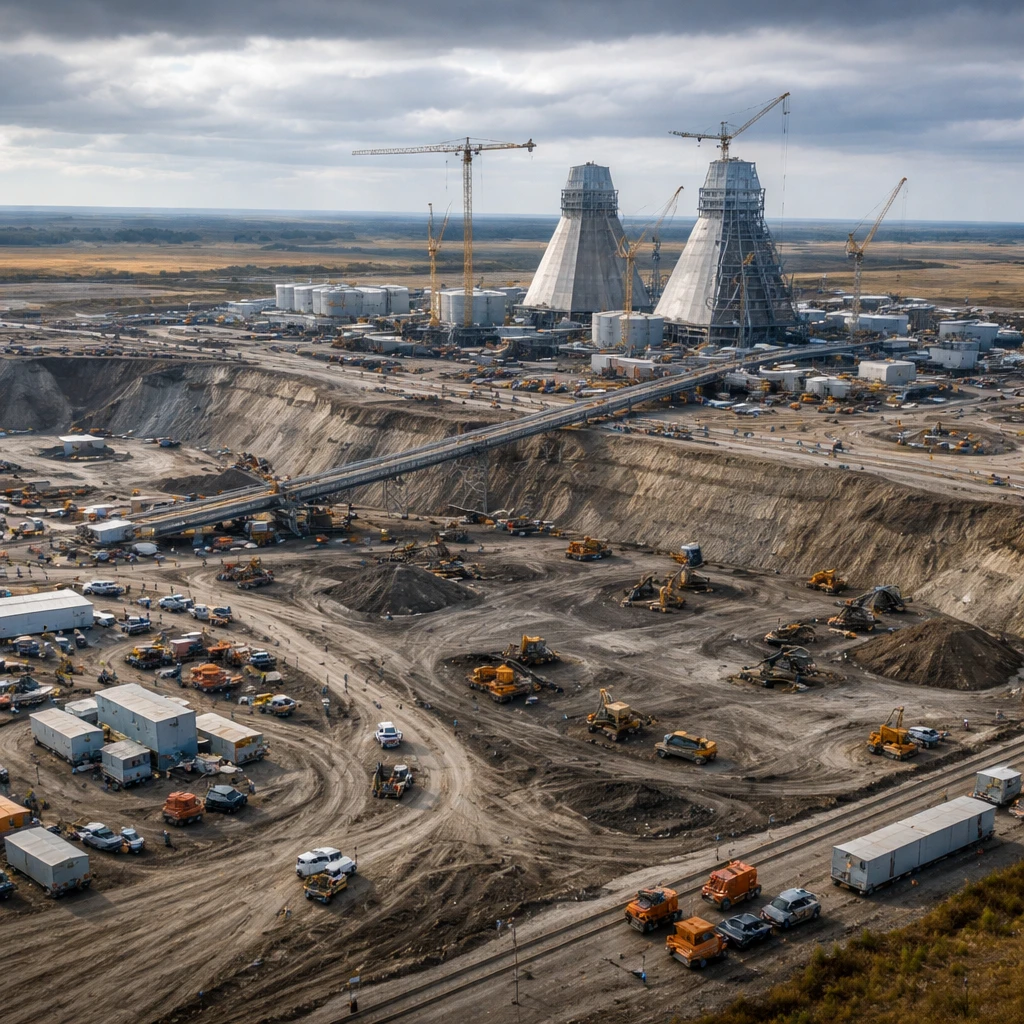
The Jansen project is located in Saskatchewan, Canada, and is a central element of BHP’s broader plan to grow its potash footprint. Potash is a primary crop nutrient used in fertilizer production. Despite the cost overrun and the impairment, BHP said it remains committed to advancing the project and continues to view long-term demand fundamentals for potash as strong, citing global population growth and rising food consumption as underpinning factors.
Implications
The company’s decision to book a significant non-cash charge reflects updated assumptions about the timeline and economics of the Jansen development. The impairment will be reported in fiscal 2026 and is presented as a post-tax figure in the $2.0 billion to $2.3 billion range.
Conclusion
BHP’s disclosure highlights the financial and execution challenges at its flagship potash venture while reaffirming the company’s strategic intent to pursue potash despite the setback. The stock reaction in Sydney mirrored investor reassessment of the project’s near-term prospects in light of the revised capital estimate and planned impairment.