
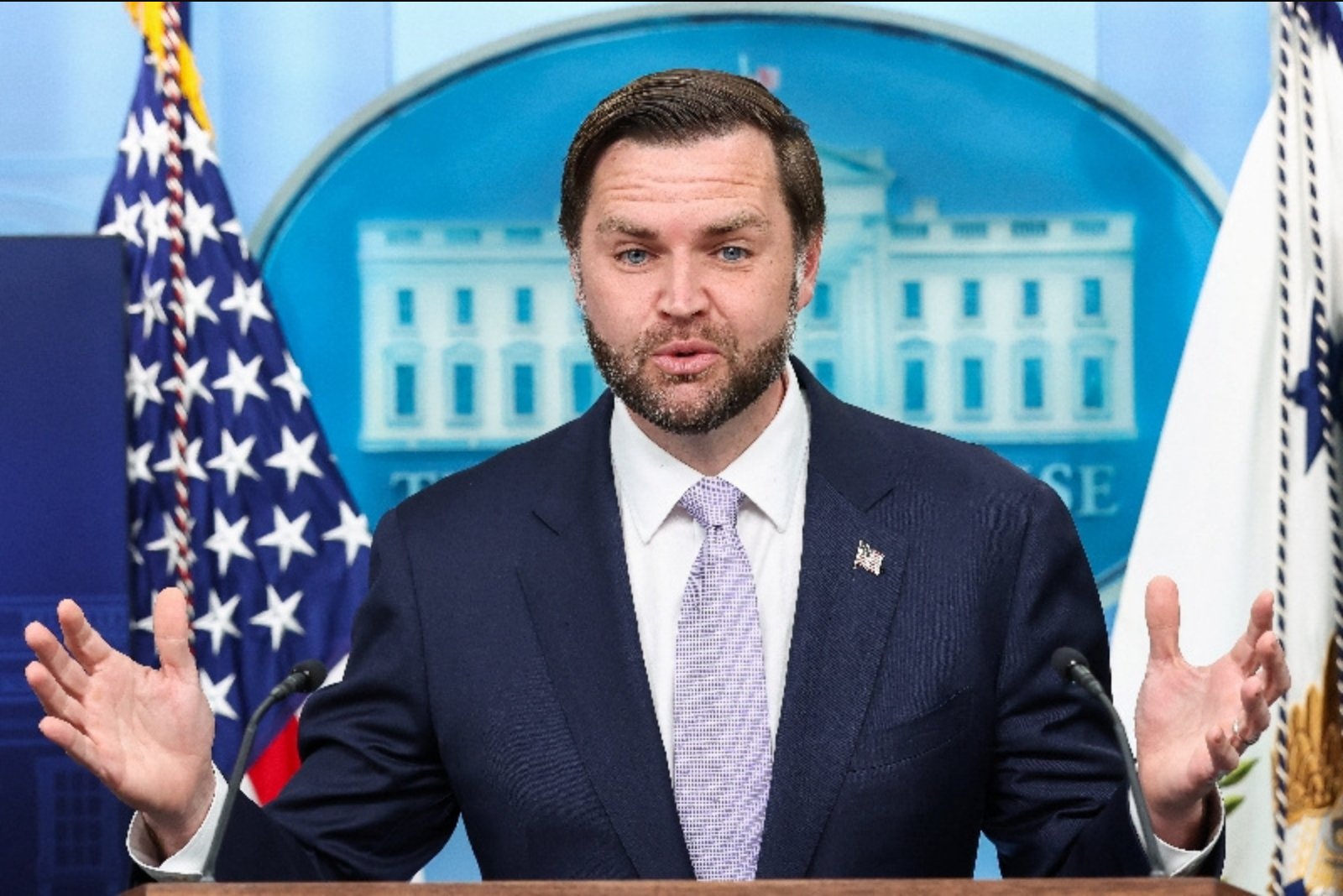
WASHINGTON, May 19 - Vice President JD Vance used a White House briefing on Tuesday to assure Americans that the current U.S. conflict with Iran will not become perpetual, asserting that the administration intends to conclude operations and bring forces home once objectives are met.
Filling in for press secretary Karoline Leavitt, who is on maternity leave, Vance spent nearly an hour taking questions from reporters. His tone over the session was generally measured, a contrast with the more combative style that the president often employs. During the briefing he addressed several contentious topics raised by journalists.
On the Iran campaign, Vance, 41 and a former Marine known for past opposition to extended U.S. foreign commitments, framed any escalation without a diplomatic resolution as nevertheless serving long-term U.S. security interests. He said plainly, "This is not a forever war. We're going to take care of business and come home."
The Iran confrontation, which began on February 28, has had wide economic effects, the vice president acknowledged indirectly through his remarks and the questions he faced. The conflict has curtailed a large portion of global oil trade and pushed U.S. gasoline prices about 50% higher, developments that have become politically salient for Republicans defending congressional majorities in the November midterm elections.
Vance declined to rule out the possibility that taxpayer money could be used to compensate people convicted of assaulting police officers during the January 6, 2021 attack on the U.S. Capitol. He also brushed off European concerns that have arisen after Washington altered plans for troop deployments to Poland, calling such worries overblown.
When a reporter suggested the president's recent stock purchases raised corruption concerns, Vance described that characterization as "absurd." He answered a range of questions with a mix of policy points and brief retorts, maintaining a posture of defense for the administration's actions.
The White House briefing room has taken on an additional political function this month, operating as an informal stage for figures seen as possible successors to the president in 2028. Vance's turn at the podium came roughly two weeks after Secretary of State Marco Rubio's widely noted debut briefing.
Opening the session with a quip, Vance quoted Rubio's earlier remark and said, "Marco's right, this really is chaos," as reporters in the crowded room called for attention. When one journalist labeled him "a potential future candidate," he interrupted to correct the framing: "I'm not a potential future candidate," he said. "I'm a vice president, and I really like my job, and I'm going to try to do as good of a job as I can."
Polling released concurrently with the briefing painted a mixed public picture for the administration's top figures. A Reuters/Ipsos poll published on Tuesday showed that the president's approval rating had fallen to nearly its lowest level since he returned to the White House, and that a number of Republicans had soured on his handling of cost-of-living issues. The same poll, conducted between May 15-18, found roughly 34% of Americans have a favorable view of Vance and 33% view Rubio favorably. For context within the dataset, a January 2025 poll indicated 42% of respondents had a favorable view of Vance.
Vance’s political standing and that of Rubio are likely to be shaped by the ongoing Iran conflict, the vice president acknowledged by the attention he paid to the issue in his answers. Since the conflict's onset, disruptions to oil trade and the resulting jump in fuel costs have become a significant political and economic variable heading into November.
The appearance also included lighter moments. Vance, who has spent recent weeks campaigning in states such as Iowa, Maine and Missouri while raising funds for Republican candidates, joked about his family. His wife, Usha Vance, is pregnant with their fourth child. "I told Karoline I would stand in for her today for the White House press briefing on the condition that when Usha has our baby in July, that she would be vice president for a couple weeks," he said, prompting laughter in the room.
Rubio’s prior briefing earned attention from the president and others for its polished delivery. Observers praised Rubio’s smooth engagement with reporters, including a reference to 1990s hip-hop to characterize Iran’s negotiating stance. A State Department video of Rubio saying he hoped America would be a place where "anyone from anywhere can achieve anything" went viral and further stoked speculation about his future political plans.
At a recent Rose Garden dinner, the president himself stoked succession talk by asking guests directly, "Who likes JD Vance? Who likes Marco Rubio?" Both questions drew strong applause. He suggested the two men on a single ticket would make "a perfect ticket," but he added he was not formally offering either of them his endorsement.
Summary: Vice President JD Vance, speaking for the absent press secretary on May 19, sought to reassure the public that current operations against Iran would not become endless, defended administration policy on several contentious points raised by the press, and navigated questions tied to succession speculation while recent polling showed shifting favorability and approval ratings for top officials.