
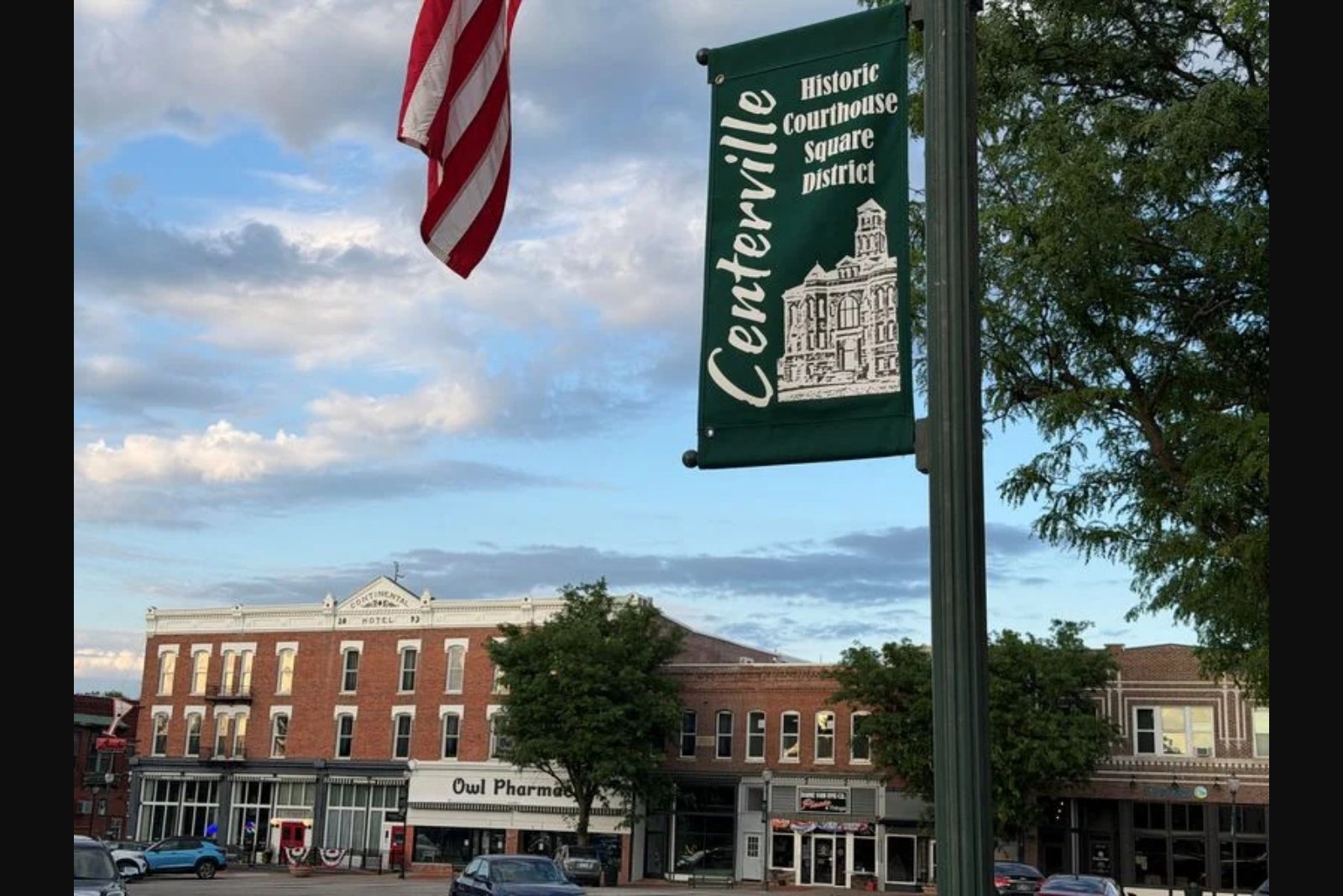
In a small strip mall in Centerville, Iowa, a community health clinic that has served local residents for years is preparing to close its doors at the end of July. The potential shutdown is prompting long-standing Republican voters in the town to question whether current policy choices address the needs of rural Americans.
Shannon Gooden, 56, who has voted Republican her whole life and supported Donald Trump in three elections, says she now wonders what elected officials plan to do for people in her community. Gooden works as a receptionist at River Hills Community Health Center and sees firsthand how the clinic serves residents who often rely on public programs and limited household budgets. "I was raised a Republican, and I’ve always voted Republican, but it’s gotten to the point now, more what are you going to do for us?" she said. "Something needs to change."
Gooden’s unease mirrors a broader political argument taking shape in Iowa and other competitive states. Democrats have centered healthcare and its affordability in their midterm message, pointing to proposed Republican-backed reductions in Medicaid funding and to rising out-of-pocket costs as evidence that policy changes risk eroding access to care for low-income and rural communities.
Republicans counter that policy changes are intended to eliminate waste and lower costs. They emphasize market-oriented reforms, efforts to increase price transparency and measures aimed at reducing drug prices. Administration initiatives to limit prescription drug costs to the lowest prices paid in other developed countries are cited as part of that approach.
A focal point of contention is a Republican-backed package that includes what opponents describe as about $1 trillion in Medicaid cuts over a decade. These measures are scheduled to take effect in 2027. While the timing means many of the changes are not immediate, local providers and political opponents are already linking anticipated funding reductions to clinic closures.
Providers say closures stem from several financial and operational pressures beyond federal policy alone. Staffing shortages, low reimbursement rates and a shrinking patient pool in some service areas are cited as drivers of financial strain that make it difficult for rural clinics to stay open. River Hills has described its planned shutdown as a consequence of broader fiscal pressures facing rural healthcare providers.
Clinic staff and community members emphasize the concrete ways Medicaid reductions could affect daily life. River Hills, located in a former coal-mining town where poverty is nearly twice the state average, draws a patient base in which more than half rely on Medicaid, according to Gooden. Some patients walk to appointments because they do not have access to a vehicle, underscoring the clinic’s role in basic access to care.
For Democrats, stories like Centerville’s are a political opening. Party strategists and outside groups are making healthcare and affordability central to their midterm playbook. House Majority PAC and its Senate counterpart are directing advertising and organizing to battleground states and specific districts they see as vulnerable, including parts of Iowa. Their focus also extends to areas affected by the expiration last year of Affordable Care Act subsidies, and to districts in Texas and California where similar dynamics are at play.
Josh Turek, a Democratic candidate whose campaign is linked to party hopes for broader gains, frames the issue as one where voters across the political spectrum agree the system is falling short. Turek, who was born with spina bifida and uses a wheelchair, draws on his personal experience navigating healthcare when discussing the campaign. His first television advertisement, released in April, characterizes the proposed Medicaid reductions as an assault on working-class families.
"It doesn’t matter if I’m in front of a Republican, an independent, or a Democrat. What I hear from Iowans is that the healthcare system is fundamentally broken," Turek said after participating in a public roundtable with medical professionals in Des Moines. He supports a public option as part of a broader Democratic effort to expand the reach of government-supported coverage, though he has not provided detailed policy language in public events described by his campaign.
Republican members of Congress in the state have defended their votes for the Medicaid changes, arguing the program has long contained waste and abuse. Representative Ashley Hinson, a Republican and a recent vote-holder of the package, did not accept an interview request. Her campaign spokesman said she will keep working to expand access and lower costs for families in Iowa.
Outside supporters of the Republican position point to a $50 billion rural health fund enacted alongside the Medicaid changes, which sets aside money for investments such as telehealth and other services intended to support rural providers. Critics, including Democratic candidates and community leaders, argue that the fund represents a small offset relative to projected losses if the cuts take effect.
Opinion polling cited by advocates on both sides underlines healthcare’s salience for voters. A recent Reuters/Ipsos poll found healthcare was the cost issue voters most wanted Congress to address, ranking ahead of housing, food and gasoline. Democrats emphasize such findings as evidence their message on healthcare affordability can cross party lines and influence swing voters.
Local reactions reflect the political tension. Amy Tubbs, a florist in Centerville, supports the bill’s proposed Medicaid work requirements and said able-bodied adults who can work should do so rather than rely on what she described as free medical care. By contrast, Bev Leffler, 72, who has long voted Republican, said the closure and the proposed cuts feel like an erosion of access for the most vulnerable. Leffler said she would vote for Democrats now and noted that her great-grandson depends on Medicaid to manage diabetes.
Health policy data cited by advocates compounds the debate over fiscal impacts. A Centers for Medicare & Medicaid Services estimate referenced by critics of the Republican package indicates that roughly three-quarters of improper payments to Medicaid stem from insufficient documentation rather than fraud. Advocacy groups and candidates use that statistic to challenge narratives focused primarily on fraud and abuse.
Iowa-specific projections that factor into the political calculus estimate federal Medicaid funding losses in the state of roughly $9 billion over the next decade. Observers point to a recent pattern of closures: over the past year seven clinics or hospitals across Iowa announced closures or reduced services, with some citing the projected loss of Medicaid revenue as a contributing reason.
The cumulative picture offered by candidates, providers and residents is one in which policy choices at the federal level intersect with preexisting financial fragility across rural healthcare providers. Democrats argue the combination will drive further erosion of access in communities already experiencing workforce shortages and low reimbursements. Republicans say their reforms will ultimately lower costs and emphasize targeted funding streams intended to assist rural providers.
Both parties are shaping campaign narratives around these realities. Democrats are investing in a message that healthcare costs are rising and that proposed cuts threaten services in communities like Centerville. Their strategy in Iowa includes hopes of winning at least two House seats and boosting a Democratic Senate candidacy in the state as part of a broader effort to regain momentum in Congress.
Republican-aligned groups and strategists, meanwhile, are expected to emphasize tax and budgetary benefits from recent legislation as well as steps the administration has taken on drug pricing and other cost areas. In rural districts, proponents of the Republican approach point to the $50 billion rural health fund as evidence of commitments to support affected communities, even as critics contend it will cover a fraction of anticipated funding shortfalls.
At River Hills, staff and patients are left with immediate concerns. The clinic’s management has cited broader financial pressure as the explanation for the closure but declined further comment. The exact mix of reasons behind the shutdown remains unclear to community members, even as many link it, in their minds, to the larger policy debate over Medicaid funding.
As November approaches, local stories from towns like Centerville are likely to be folded into national campaign narratives. For voters who rely on clinics where Medicaid payments make up a substantial portion of revenue, the debate over federal policy and its effects on local care is moving from abstract budget discussions to concrete worries about where and how they will receive medical treatment in the months ahead.
For now, the situation in Centerville offers a snapshot of how healthcare policy and local service provision are colliding in politically competitive places. Candidates, outside groups and voters are responding by emphasizing access, affordability and the tangible consequences of funding decisions on rural America. Whether that translates into electoral shifts will depend on how many voters in communities like this follow through on their stated concerns at the ballot box.