
Economy July 7, 2026 06:18 AM

Japan says jet fuel export ban covers shipments routed via third countries and at-sea transfers

Trade minister reiterates export controls after reports of a trader-mediated jet fuel delivery to Russia amid a domestic Russian fuel shortfall

By Maya Rios
Share
Twitter Reddit Facebook LinkedIn

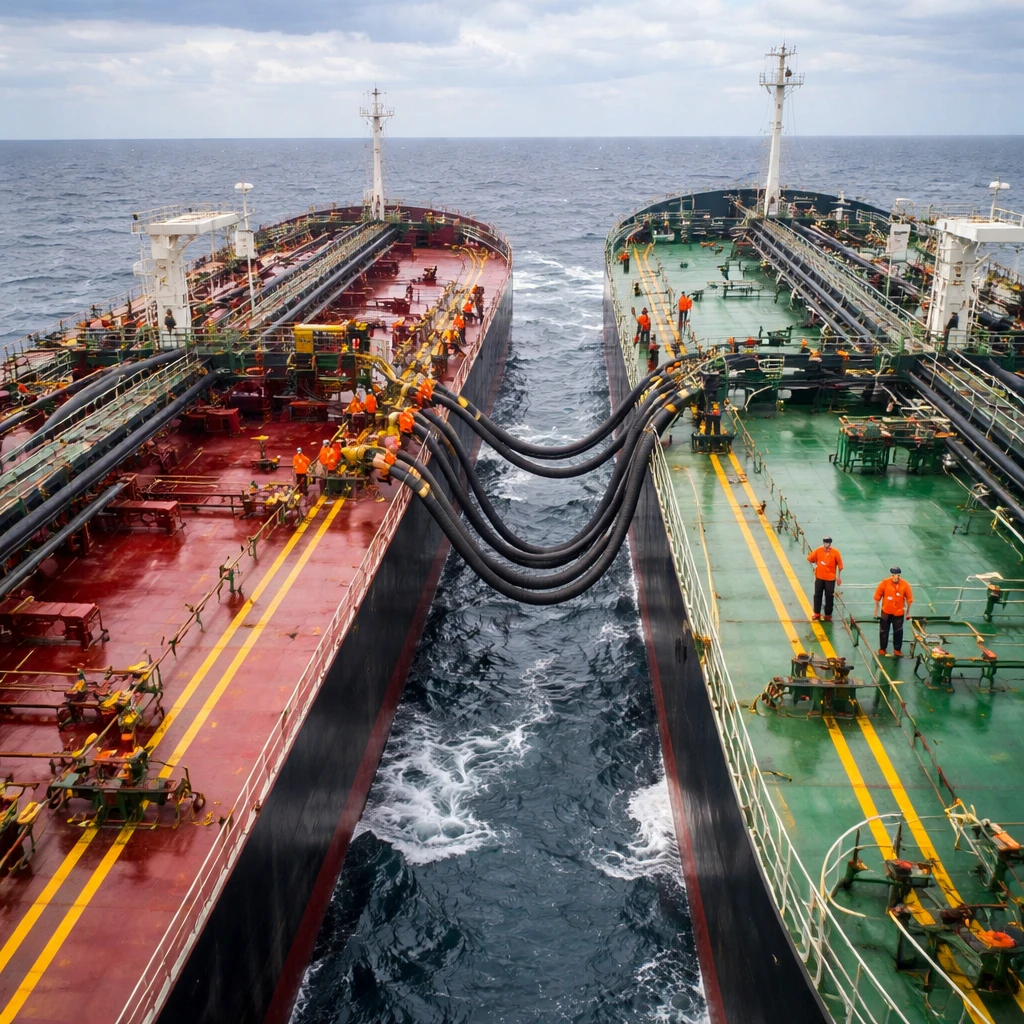
Japan's prohibition on jet fuel exports to Russia extends to consignments moved through third countries and to ship-to-ship transfers at sea, Trade Minister Ryosei Akazawa said. The clarification follows reports that a jet fuel cargo was due to reach Russia through traders, set against a backdrop of a Russian fuel shortage linked to Ukrainian strikes on energy infrastructure. Japan views jet fuel as subject to export restrictions it has coordinated with the G7 and other international partners.

Japan says jet fuel export ban covers shipments routed via third countries and at-sea transfers
Summarize with
ChatGPT Perplexity Claude Grok Gemini

Key Points

  • Japan's jet fuel export ban applies to shipments routed through third countries and to ship-to-ship transfers at sea.
  • The clarification followed reports that a jet fuel cargo was due to reach Russia through traders amid a fuel crisis caused by Ukrainian attacks on Russian energy infrastructure.
  • The Ministry of Economy, Trade and Industry is working to prevent sanctions evasion via industry awareness, warnings and information sharing with domestic and international authorities.

Japan's restriction on jet fuel exports to Russia explicitly covers deliveries that are routed indirectly, including transfers through third countries and ship-to-ship movements at sea, Trade Minister Ryosei Akazawa said on Tuesday.

The minister's comments followed media reports on Friday that indicated a cargo of jet fuel was expected to reach Russia via traders. Those reports came as Ukrainian attacks on Russian energy infrastructure have contributed to a fuel crisis inside Russia.

Akazawa reiterated that Japan has placed bans on a range of items destined for Russia as part of sanctions measures coordinated with the G7 and the broader international community. He said jet fuel is among the products subject to these export controls.

While he declined to address specific transactions, Akazawa made clear that the prohibition applies to exports that are routed through intermediary countries and to transfers conducted at sea between vessels.

The Ministry of Economy, Trade and Industry is taking active steps to limit the potential for sanctions circumvention. According to Akazawa, those measures include raising industry awareness, issuing warnings and sharing information with both domestic and international authorities to help enforcement efforts.

On Japan's approach to ongoing export controls, Akazawa said: "We will continue to implement strict export controls in collaboration with other countries, while taking the international situation into account."

The minister's remarks underscore a focus on enforcement and coordination to prevent shipments from being routed in ways that would undermine the intent of Japan's export restrictions. By clarifying the scope of the jet fuel ban - to include indirect routes and at-sea transfers - authorities aim to close avenues for possible evasion without commenting on any particular case.


Context for markets and sectors

  • The statement affects the energy and aviation fuel supply chains, as well as shipping and trade compliance sectors responsible for logistics and regulatory adherence.
  • Enforcement actions and information sharing with international partners could influence how traders and shippers handle jet fuel consignments linked in any way to Russia.

Risks

  • Potential for sanctions evasion via complex routing or at-sea transfers could complicate enforcement efforts, affecting the shipping and trade compliance sectors.
  • Ongoing fuel shortages in Russia tied to attacks on energy infrastructure create market stresses that may prompt attempts to bypass export controls, with implications for energy and aviation fuel markets.

More from Economy

Canadian TSX Futures Tick Up as Oil Rises and Gold Slides Amid Renewed Middle East Hostilities Jul 7, 2026 Deutsche Bank: Rising Probability of Tax Hikes for Next UK Government as Fiscal Headroom Shrinks Jul 7, 2026 Latvia Says U.S. Keen to Maintain Forces in Europe as NATO Awaits Review Results Jul 7, 2026 BoE Flags Clustered Financial Risks, Urges Firms to Boost Cyber Defenses Jul 7, 2026 DeepSeek Eyes Its Own Inference Chip as It Seeks Hardware Independence Jul 7, 2026