
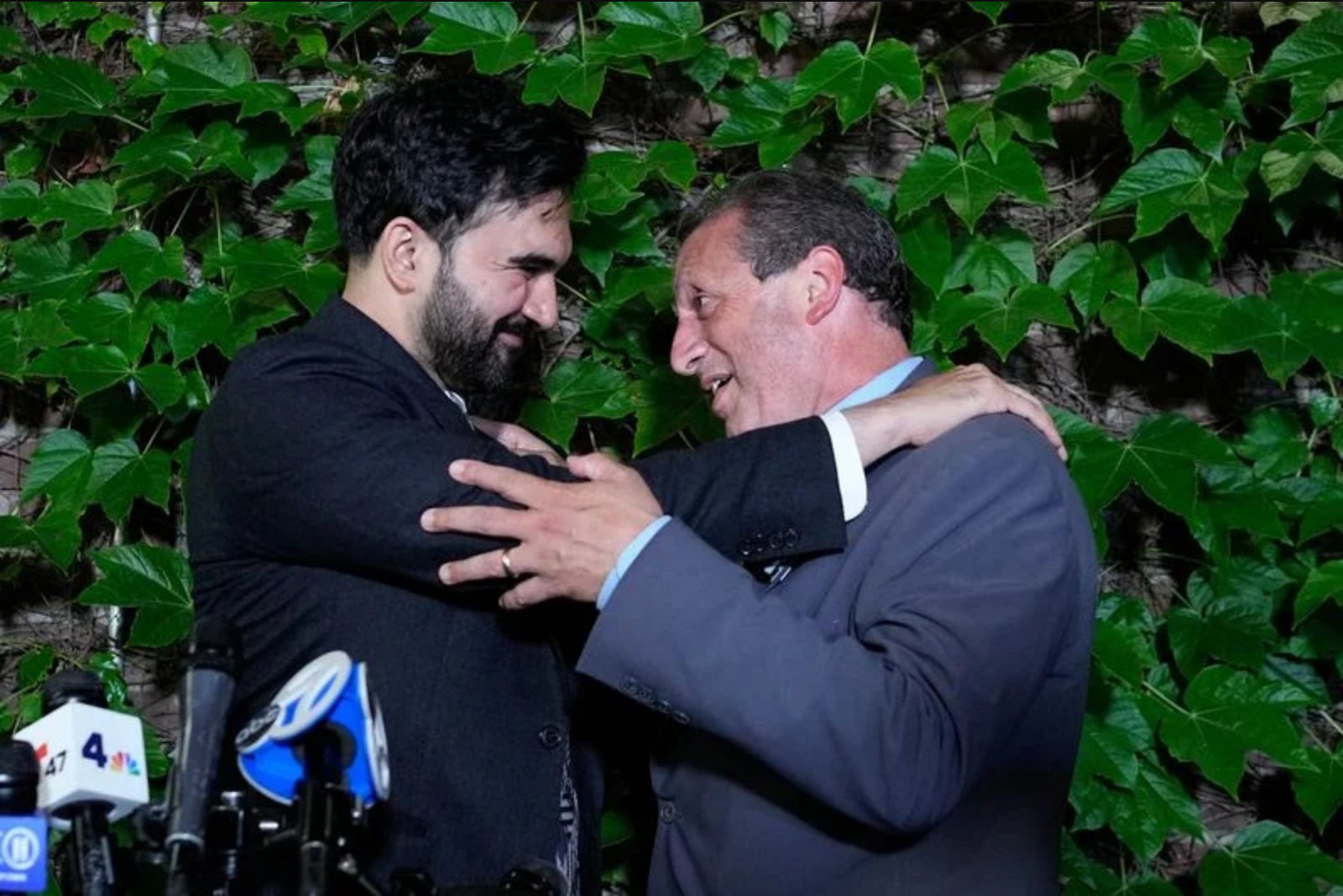
New York City political dynamics shifted sharply on Tuesday as three House primary winners backed by Mayor Zohran Mamdani defeated established rivals, including two sitting members of Congress and the favored candidate in an open seat. The victories, which politicians and activists characterized in stark terms, center on candidates tied to the Democratic Socialists of America who have prioritized issues such as universal health insurance and ending U.S. support for Israel's military operations in Gaza.
The results
Mamdani endorsed activist Darializa Avila Chevalier, former New York City Comptroller Brad Lander and state Assembly Member Claire Valdez. Avila Chevalier unseated Representative Adriano Espaillat; Lander defeated Representative Dan Goldman; and Valdez prevailed over Brooklyn Borough President Antonio Reynoso, who had the backing of retiring Representative Nydia Velazquez.
Supporters hailed the outcomes as a repudiation of the political establishment and evidence of an energized progressive movement in the city. Joseph Geevarghese, executive director of the progressive political group Our Revolution, said the results show candidates can succeed while refusing corporate donations and distancing themselves from pro-Israel lobby influence, and while backing policy platforms such as Medicare for All. "This is not an accident, and it is not isolated to New York," he said. "The same energy that elected Zohran Mamdani as mayor just elected an entire slate behind him."
Policy alignment and public messaging
All three winners have connections to the Democratic Socialists of America and publicly advocate for expanded government-provided health coverage and a cessation of U.S. support for Israeli military operations in Gaza. Those positions were identified by observers and by advocacy groups as central to the campaigns. American Priorities, a super PAC formed in part to counter pro-Israel groups, said the New York primary outcomes reflect a foreign policy recalibration among Democratic voters. In a Wednesday memo, the group wrote: "Candidates with a principled and clear position on Israel and Palestine reflect the prevailing views of Democratic voters. It's now the establishment and party leaders that are out of step."
National reactions within the Democratic Party
Reaction from Democratic elected officials was mixed, with some viewing the wins as a localized phenomenon and others seeing broader significance. Senator Chris Murphy of Connecticut described the results as "a New York story more than anything else" but added that voters were "clearly telling us they want us to be bolder" in policy proposals and tactics. "I don't want to bend over backwards to extrapolate too much based on one state's elections," Murphy said. "I'm not sure those results would reproduce themselves in every other state, but yeah, you'd be silly not to read something into yesterday's results."
Senator John Fetterman of Pennsylvania reacted sharply, calling Tuesday "a banner night for the dirtbag left in New York." Senator Jacky Rosen, a moderate from Nevada, urged caution in drawing national conclusions. "Every district, every state ... has a different flavor, a different reason for what's going on," she said. "So you're going to have to look at multiple elections, and they're way different in Nevada than they are in New York City."
Senator Bernie Sanders, a Vermont independent and democratic socialist, framed the results as part of a wider rejection of establishment politics, saying: "The American people in New York and increasingly all over the country are sick and tired of status quo establishment politics. They want members of Congress having the guts to stand up to big money and create a government that works for them and not just a few."
Perspectives on governing and caucus dynamics
Some progressives and retiring lawmakers signaled that the new members could temper their positions once serving in Congress, pointing to the realities of legislative arithmetic and relationship-building. Representative Chuy Garcia, a retiring progressive Democrat from Illinois, suggested Avila Chevalier, Lander and Valdez would have to navigate practical constraints in Washington. "Once you arrive here, you realize that in order to move an idea forward, a proposal, you need at least 218 votes, and getting there is no easy feat," he said. "It requires relationships. It requires knowledge. It requires working with a variety of political forces in your own caucus."
Party leaders and centrist allies highlighted other primary results from the night, including the win by moderate Cait Conley in New York, who will face Republican Representative Mike Lawler in November. Conley's victory was described by House Democratic leaders as one of the more consequential outcomes of the evening because Lawler represents one of only three Republican-held seats in districts that the Democratic presidential ticket carried in 2024, making that contest a top Democratic target.
Context within recent progressive momentum
Observers noted that progressives have captured wins in Democratic primaries beyond New York, with successes reported in the Washington, D.C., mayoral contest; in congressional nominations in reliably Democratic districts in New Jersey and Pennsylvania; and in competitive House primaries spanning Maine to California. Those outcomes were cited by activists as evidence of an ongoing trend of anti-establishment energy among parts of the Democratic electorate.
Still, several lawmakers and party figures urged restraint in generalizing from these results. Some described the developments as reflective of local conditions, while others framed them as a broader signal that Democratic voters want bolder policy agendas and different political tactics from their leaders.
What remains uncertain
Key questions left open by the night’s voting include whether the insurgent wave in New York will translate into similar outcomes elsewhere and how the incoming representatives will operate within a party where building consensus is necessary to advance legislation. The range of reactions from Democrats underscores that the long-term trajectory of this political shift is far from settled.