
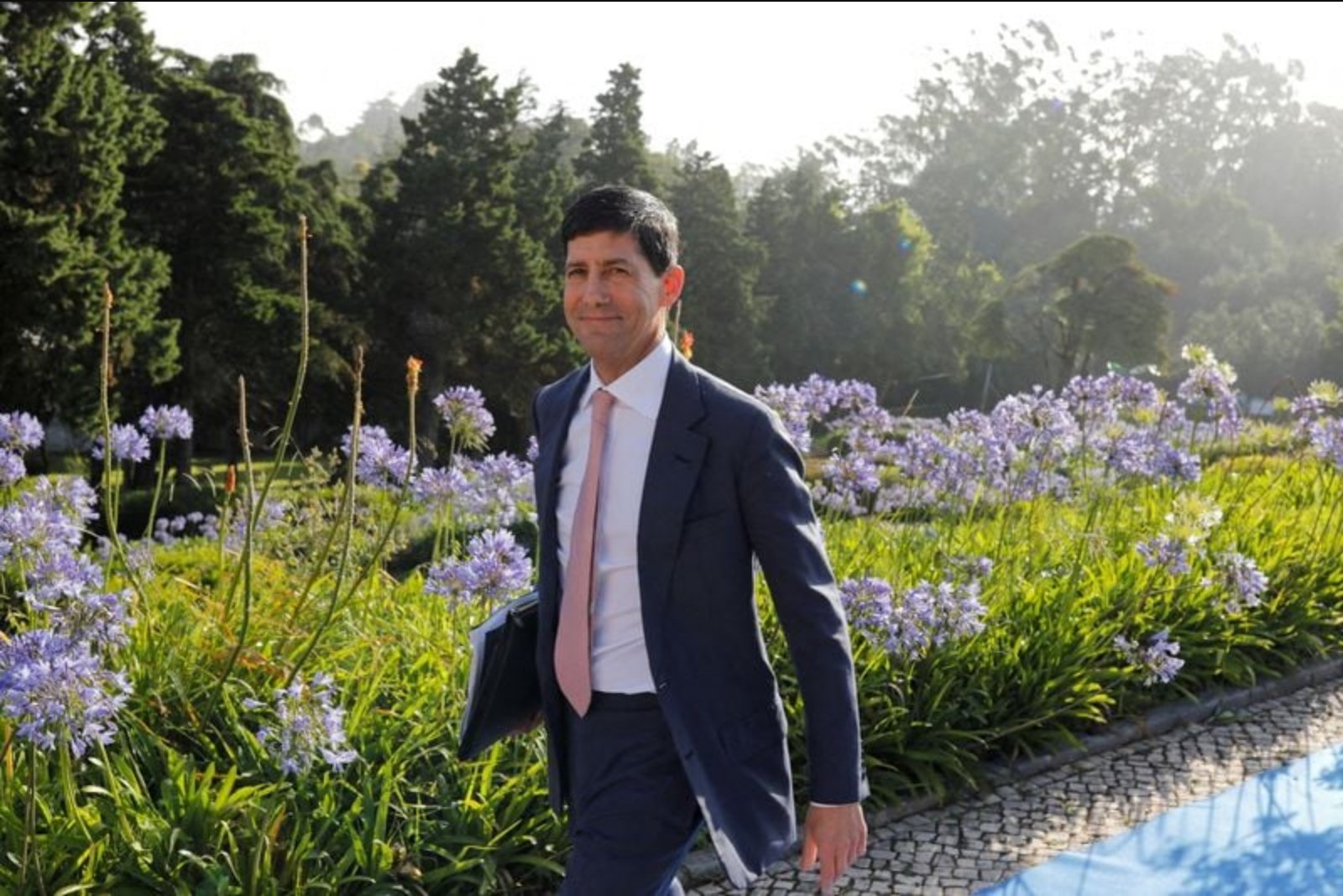
Federal Reserve Chair Kevin Warsh unveiled a 15-member slate of outside experts to lead a comprehensive review of the Fed’s operations and policy framework, drawing an early round of favorable commentary for the quality and independence of the appointees.
The roster mixes foreign central bankers, former senior U.S. appointees and private-sector figures. Five of the appointees are foreign-born, and the group includes the former governors of the central banks of Brazil, England and India. Two of the members are former high-level appointees of President Barack Obama. Also named was technology investor and prominent Trump fundraiser Marc Andreessen.
Observers say the selection appears tailored to bolster credibility among markets and Fed officials while staying rooted in expertise rather than political alignment. Neil Dutta, head of economics at Renaissance Macro Research, said the lineup consists of "serious, respected people that will likely buoy the chair’s credibility with his own colleagues," while observing some members may be predisposed toward skepticism of a large Fed balance sheet or forward guidance on interest rates.
At the same time, the group is not monolithic on key questions. Former Fed Governor Jeremy Stein, an Obama-era appointee named to the balance sheet task force, has publicly argued that large Fed holdings can support financial stability. Several panels are slated to grapple with technical and operational issues such as improving the data the Fed relies on to set policy - a less ideologically charged area where new technologies and funding for data initiatives are likely to dominate the discussion.
Members of the task forces contacted by officials said it was too early to comment publicly on how they will proceed. The Fed’s announcement outlined membership and general objectives but did not provide a detailed process for how the groups will operate.
Institutional context and legal backdrop
Warsh’s ability to assemble an independent set of advisors has been reinforced by recent U.S. Supreme Court rulings that left the Fed outside a broader presidential removal authority. Those rulings exempted the Fed from a blanket power granted to the President to dismiss members of independent agencies, a legal environment that the Fed said frees Warsh from the day-to-day pressure of threatened removal he might otherwise face for decisions that displease President Donald Trump or his political base.
The task force announcement also lands amid a week in which President Trump removed members of the independent Election Assistance Commission and had contentious discussions with North Atlantic Treaty Organization officials, highlighting a broader political environment in which independent agencies have faced scrutiny.
Approach and precedent
The Warsh-led review is being framed as evidence-driven and independent. The Fed described the process as one that "will operate independently, with a mandate to follow the evidence." That orientation echoes prior external-facing reviews while retaining a distinctive mix of outside and internal inputs.
Previous major shifts in the Fed’s approach have been negotiated through internal committees or broad review processes. Policy communication changes and the 2012 move toward formal inflation targeting were overseen internally. A 2019-2020 framework review included wide-ranging public hearings across the country and academic contributions presented at a conference in Chicago. A 2025 review depended heavily on internal research and outside academic analysis, including work by former Fed Chair Ben Bernanke. The Warsh review appears to be another variant in that lineage - leaning on outside expertise while remaining connected to the institution’s internal stakeholders.
Warsh himself brings a background of outside consulting on central bank practices - he was asked by the Bank of England in 2013 to review its communications and public disclosure policies, and Ben Bernanke was later engaged a decade after that to consult on Bank of England forecasting. The current effort draws on that pattern of outward-looking reviews, this time concentrated on the U.S. central bank.
Questions about adoption and internal dynamics
While the task forces are seen as high quality, it remains unclear how the Fed’s seven governors and 12 Reserve Bank presidents will be integrated into a process the chair has targeted for completion by year end. Several Fed officials already hold firm views on key topics - including how much the central bank could reduce its balance sheet, and how far it could scale back communications without risking market disruption or damage to institutional legitimacy.
Those internal tensions matter because consequential reforms at the Fed typically require near-unanimous consent among policymakers. Krishna Guha, vice chair at Evercore ISI and a former New York Fed staffer, called the appointees "a serious and broadly balanced group that will be taken seriously by the market, Fed staff, and members of the FOMC." He added that the appointment is "a good first step on institutional and policy reform and a win for Chair Warsh," while emphasizing that the current Federal Open Market Committee will have its say and will not simply adopt whatever the outside experts propose.
Recent attempts to alter communication practices illustrate that internal stalemates can stall reforms. Suggested changes announced last year failed to progress amid internal disagreement, underscoring the challenge of converting external recommendations into policy shifts.
Next steps and timing
The Fed has set the review on a path aimed at delivering findings by the end of the year, but specifics about the task forces’ methods, timelines and deliverables were not included in the initial announcement. Funding and corroboration of new data initiatives are likely to be practical hurdles the groups will need to address as they explore ways to improve the inputs that inform monetary policy.
For now, the appointment list has won early praise for its expertise and balance. Turning the review’s output into workable, institution-wide reform will require broad engagement from the Fed’s governors, Reserve Bank presidents and the full FOMC.
"We view this as a good first step on institutional and policy reform and a win for Chair Warsh," Krishna Guha wrote, while noting the FOMC will retain decisive influence.