
Economy July 27, 2026 06:18 AM

Takaichi Says Japan Still Faces Risk of Deflation Despite Rising Prices

Prime minister highlights modest inflation, wage improvements and the need for proactive fiscal policy to secure growth

By Priya Menon
Share
Twitter Reddit Facebook LinkedIn

Prime Minister Sanae Takaichi warned that while Japan is recording inflationary trends, the government cannot yet declare deflation risk eliminated. With consumer prices and the GDP deflator moving higher and wage gains beginning to appear, the administration is pressing for increased domestic investment, a recalibration of fiscal policy and clearer bond issuance plans to preserve market trust. The impact of the Middle East conflict and the timing of investment decisions remain points of uncertainty.

Takaichi Says Japan Still Faces Risk of Deflation Despite Rising Prices
Summarize with
ChatGPT Perplexity Claude Grok Gemini

Key Points

  • Japan records inflation at 1.7 percent while officials say deflation risk has not been fully eliminated - impacts household consumption and consumer-focused sectors.
  • Government plans to lower the 8 percent sales tax on food pending legislative agreement and to boost tax revenues via GDP expansion rather than excessive spending - relevant for fiscal policy and public finances.
  • Administration aims to increase domestic investment and provide detailed annual bond issuance plans to preserve market trust - implications for capital markets and corporate investment decisions.

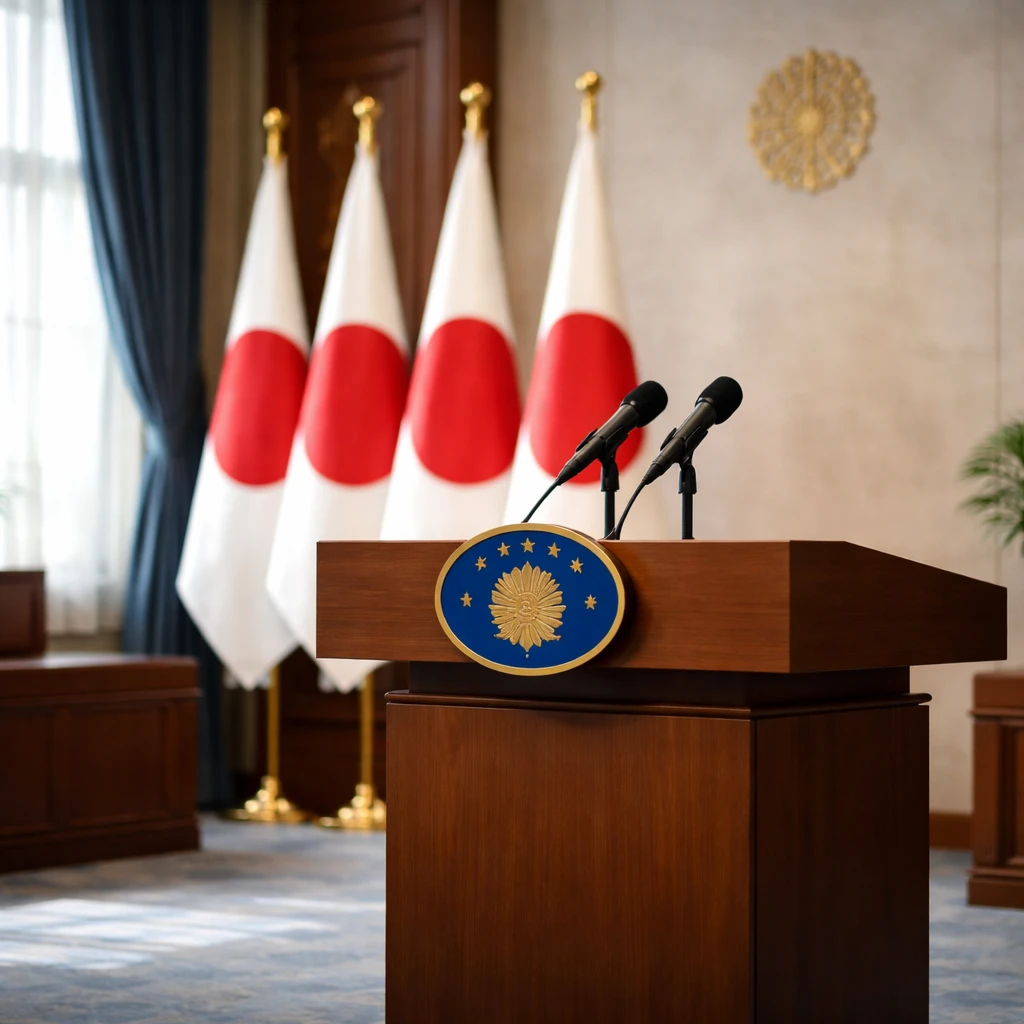
Japan's prime minister, Sanae Takaichi, said today that the country is experiencing inflation but has not reached a point where the risk of returning to deflation can be considered fully removed.

Speaking at a news briefing, Takaichi said assessing whether Japan will avoid a return to deflation requires a careful look at price movements and the fundamental drivers behind them. She cautioned that, despite positive signs, authorities cannot yet say the country is free from the threat of deflation.

Takaichi described Japan's economy as gradually recovering while stressing that recovery alone does not eliminate deflation risk. She singled out the conflict in the Middle East as a development that needs continued scrutiny because of its potential economic ramifications.

The prime minister noted that Japan's inflation rate stands at 1.7 percent - the lowest among G7 nations - and said wage trends are beginning to show encouraging developments. Those wage moves, she indicated, are a positive sign for household income and demand trajectories, but not a conclusive signal that deflation risk has ended.

On fiscal policy, Takaichi argued for a shift away from what she described as excessively tight measures. Her message emphasized the need to boost domestic investment and to chart a credible growth trajectory for the economy. She warned that postponing future investment would cost the country growth opportunities.

On taxation, the prime minister said the government intends to submit legislation to reduce the 8 percent sales tax on food once lawmakers agree on the specifics. At the same time, she stressed that the government plans to expand tax revenue through GDP growth rather than through large-scale fiscal spending.

To underpin fiscal sustainability, Takaichi said the administration will provide detailed annual plans for government bond issuance. She framed the policy shift as both responsible and proactive fiscal management, aimed at maintaining financial market trust through clear and transparent communication.

Defining the concept of responsible fiscal policy, Takaichi said it involves pursuing economic growth while upholding fiscal discipline. From an economic indicator perspective, she reiterated that consumer prices and the GDP deflator are trending upward, signaling inflationary movement, yet the government has not satisfied the conditions required to formally declare that Japan has exited a state in which a return to deflation is not a risk.

Risks

  • Risk of a return to deflation remains until price trends and their causes are clearly established - affects consumer demand and sectors sensitive to price stagnation.
  • The Middle East conflict could exert economic pressure and introduce uncertainty - potential implications for energy costs, trade and broader market stability.
  • Delays in domestic investment could cause Japan to miss growth opportunities - risks for industrial production, corporate investment cycles and long-term output.

More from Economy

UK PM Andy Burnham Says Stamp Duty Will Stay Unchanged in Next Budget Jul 27, 2026 Treasury Yields Slide After Ceasefire Signals as Oil Plummets Jul 27, 2026 Government scrutiny of AI may slow adoption and raise investor uncertainty, Bridgewater co-CIOs warn Jul 27, 2026 Oil Slides as Ceasefire Eases Risk Premium; Hormuz Closure Keeps Markets Poised for Rebound Jul 27, 2026 Hedge Funds Intensify Wagers on U.S. Healthcare Stocks as Exposure Nears Five-Year Peak Jul 27, 2026