
Economy July 6, 2026 01:34 PM

Schnabel: Euro Zone Recovery Still Fragile Despite Falling Oil Prices

ECB board member warns that elevated core inflation, energy and supply strains mean the economy has not reverted to pre-Iran war conditions

By Nina Shah
Share
Twitter Reddit Facebook LinkedIn

European Central Bank board member Isabel Schnabel said the euro zone has not returned to the economic environment that existed before the Iran war, despite lower oil prices. She highlighted persistent core inflation, elevated gas and refinery margins, pipeline and supply-chain strains, and weather-related risks to food prices. Her comments point to a continued possibility of monetary tightening, while a second ECB rate hike in July appears less likely.

Schnabel: Euro Zone Recovery Still Fragile Despite Falling Oil Prices
Summarize with
ChatGPT Perplexity Claude Grok Gemini

Key Points

  • ECB board member Isabel Schnabel says the euro area has not returned to pre-Iran war conditions despite lower oil prices - impacts energy and inflation dynamics.
  • Schnabel highlights gas prices roughly 40% above pre-war levels and crack spreads at about twice their pre-war level - relevant for energy, refining, and industrial sectors.
  • Weather risks including a heat wave and Super El Niño could push food prices higher as rainwater levels approach critical thresholds - affecting agriculture and consumer goods sectors.

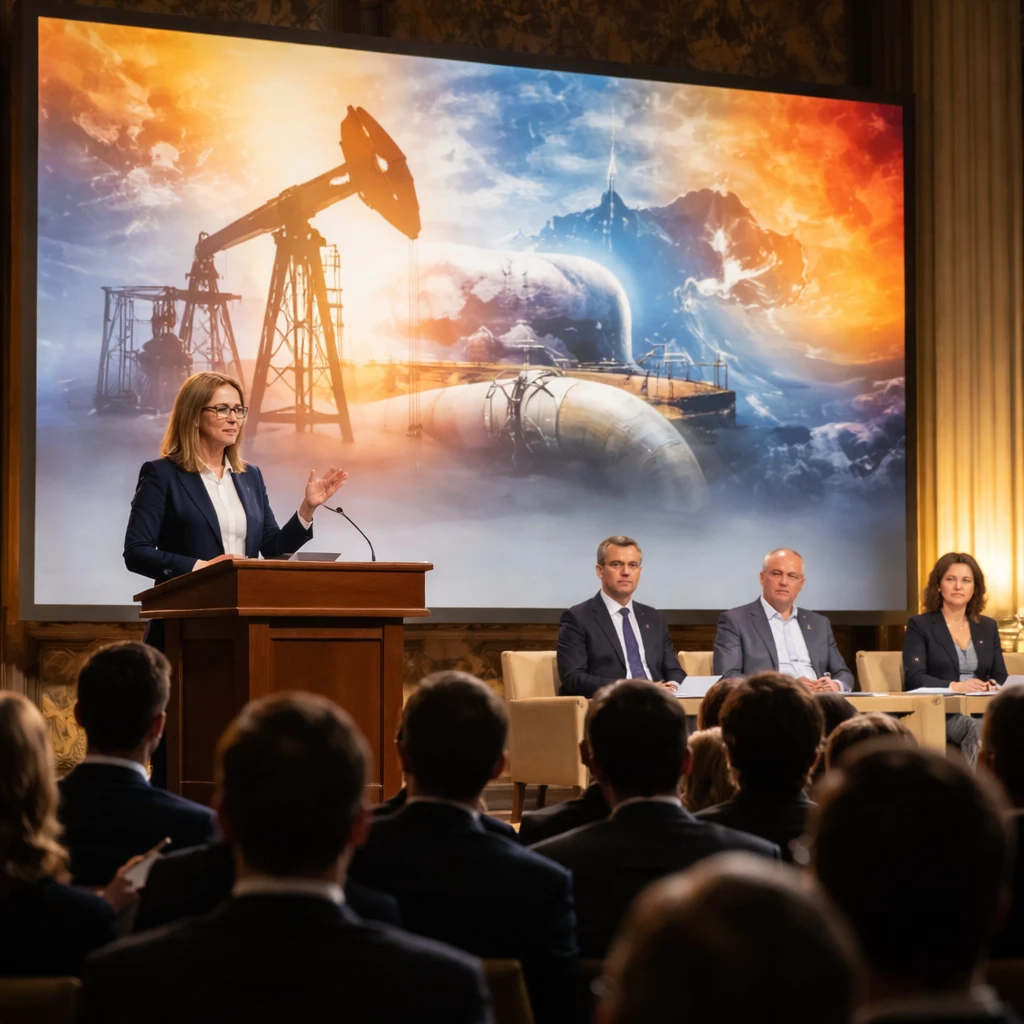
European Central Bank board member Isabel Schnabel told an audience in Rome that the euro area has not gone back to the situation that prevailed before the Iran war, even though oil prices have come down.

Schnabel said core inflation remains high and broad price pressures continue to affect the region. She questioned whether the drop in oil alone returns conditions to their pre-war state, saying: "Does the decline in oil prices mean that we are back to the pre-war situation? I don’t think so." She added that the peace agreement underpinning lower tensions is unstable and that market pricing still signals higher oil costs over extended periods.

On energy-specific measures, Schnabel said gas prices are still around 40% above their pre-war levels. She pointed to crack spreads - the metric that gauges refinery profitability - which she said are twice what they were before the conflict. She also said pressures persist in pipelines and along supply chains.

Beyond energy, Schnabel singled out weather-related risks. She warned that a current heat wave in Europe, together with a Super El Niño pattern, could lift food prices. She noted that rainwater levels are approaching critical thresholds, intensifying the concern.

Those comments, Schnabel said, leave open the prospect of further policy tightening from the central bank, although she indicated that a second interest-rate increase at the ECB's July 22-23 meeting appears less likely.

Belgian central bank governor Pierre Wunsch, speaking on the same panel in Rome, expressed a more cautious interpretation of market moves. He suggested that the energy-price shock tied to the war has been removed from market prices, saying the shock "appears to have vanished from market prices." Wunsch added: "We will have a projection in September, but I’m a bit afraid that we would hike too late when the movement starts in the other direction."

The remarks from Schnabel and Wunsch together underscore continuing debate within policymaking circles about how persistent inflationary pressures are and how monetary policy should respond given remaining geopolitical and weather-related uncertainties.


Risks

  • Geopolitical instability - the peace agreement remains unstable, which could keep oil and gas markets elevated and affect energy firms and commodity markets.
  • Supply-chain and pipeline pressure - ongoing strains could sustain higher costs for industry and refining margins, impacting producers and manufacturers.
  • Weather-related price shocks - the heat wave and Super El Niño could raise food prices, creating volatility for agriculture and consumer staples.

More from Economy

ECB policymaker warns Iran-related shock persists despite lower oil prices Jul 6, 2026 Waller Says Inflation Now the Primary Risk as U.S. Labor Market Stabilizes Jul 6, 2026 ECB official warns of growing fiscal pressure on central banks Jul 6, 2026 Panetta warns European central banks may face mounting political pressure as fiscal needs rise Jul 6, 2026 Trump Signals Possible September 24 Meeting with China’s Xi, Cites UNGA Timing Jul 6, 2026