
In early January, Mexico recorded a year-on-year consumer price increase of 3.77%, reflecting a rise in inflation that was milder than anticipated by financial analysts. This figure, provided by the national statistics institute, fell short of the 3.87% median inflation forecast compiled from various analyst projections, yet it represented an uptick compared to the 3.66% inflation rate seen in late December.
Meanwhile, core inflation which excludes typically volatile categories such as food and fuel costs, increased to 4.47% from 4.31% in the latter half of December. Despite this acceleration, core inflation remained beneath its predicted median of 4.52%. Mexico’s central bank, widely known as Banxico, maintains a target inflation rate of 3%, allowing for a deviation of plus or minus one percentage point.
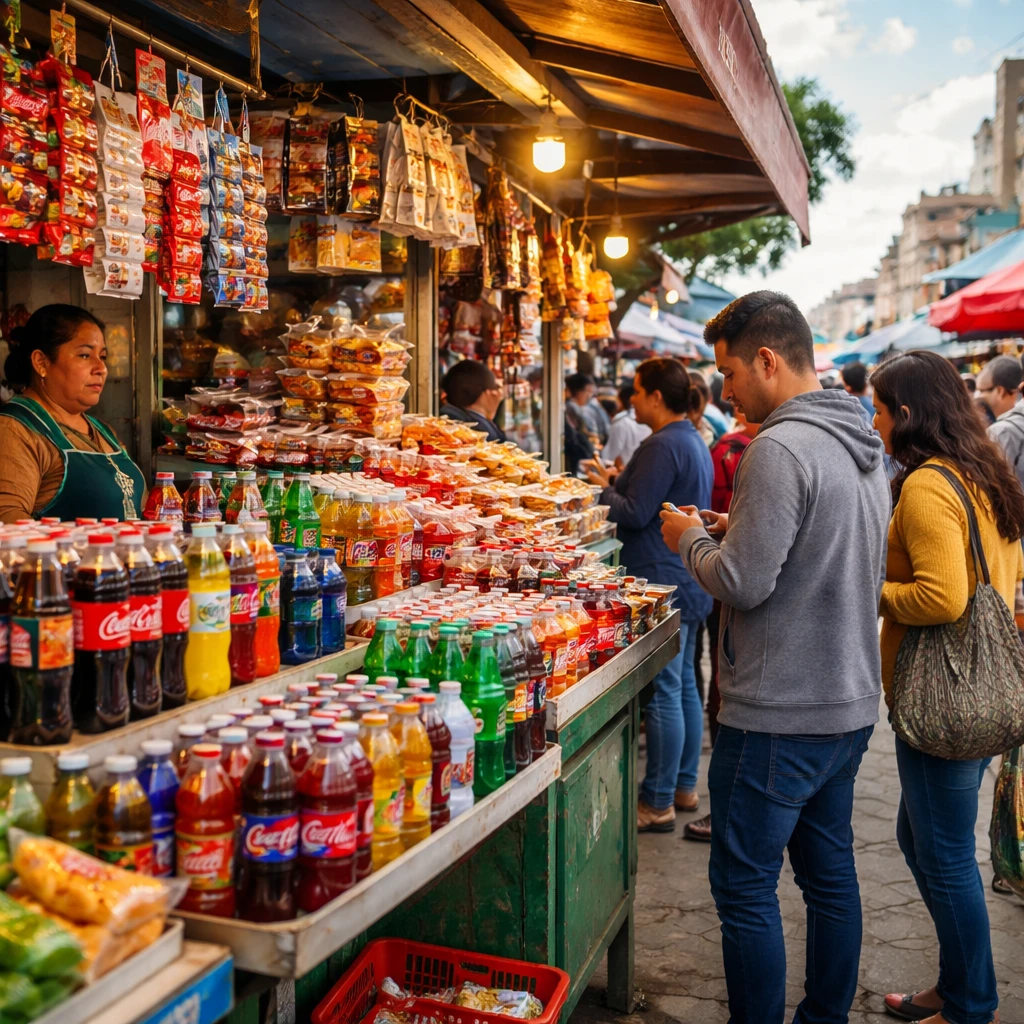
The early January inflation rise was primarily driven by higher prices in cigarettes, bottled soft drinks, snack bars, dining establishments, and taco restaurants. These changes coincided with newly implemented excise taxes on sodas and tobacco products that became effective at the start of the year. Conversely, some sectors experienced price declines during the period; notably air transport, eggs, and domestic LP gas saw reductions in their respective costs.
In December, Banxico implemented its twelfth successive quarter-point reduction in its benchmark interest rate, lowering it to 7%. This series of rate cuts aims to stimulate economic growth even in the presence of persistent core inflationary trends. Policymakers in their recent meeting indicated a strategy of careful evaluation regarding the timing of further adjustments, which many market observers interpreted as a signal toward a potential pause in rate changes at the upcoming February 5 meeting.
The December rate decision was not unanimous, revealing a division within the central bank. Deputy Governor Jonathan Heath cast a dissenting vote, arguing against lowering rates due to concerns about core inflation remaining consistently elevated. Heath also questioned the feasibility of achieving Banxico’s 3% inflation goal by the third quarter of 2027, expressing skepticism about this timeline.