
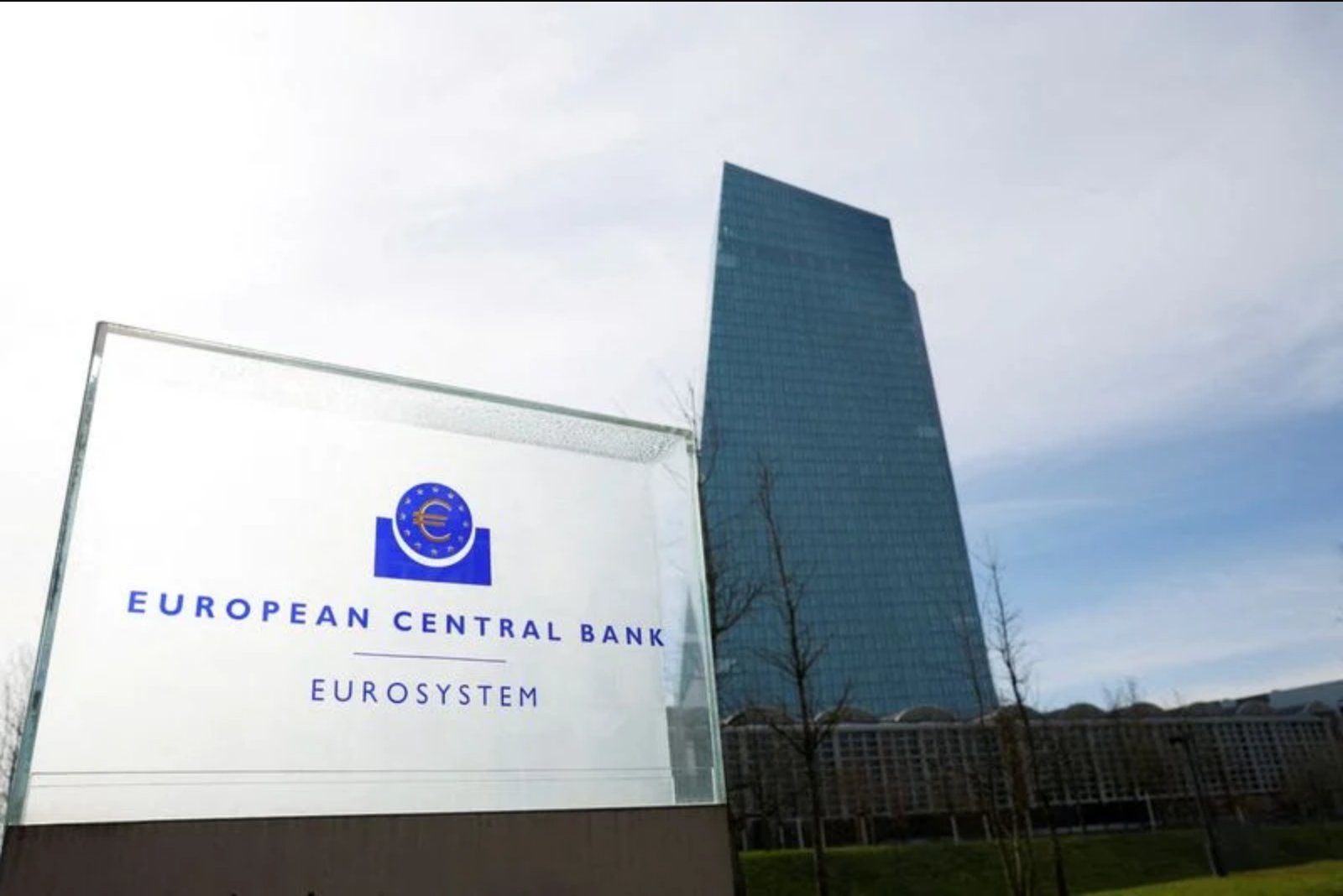
Alexander Demarco, governor of the Central Bank of Malta, said the European Central Bank should refrain from rushing into additional rate hikes as energy prices have fallen back sharply. Speaking on the sidelines of the ECB Forum on Central Banking, Demarco argued the recent, unexpectedly quick decline in oil costs reduces the urgency for immediate further tightening of monetary policy.
The ECB raised interest rates in June, and its internal forecasts were built on the expectation of further policy tightening. However, Demarco said the recent drop in energy prices strengthens the argument for waiting before moving again. "In such an environment of moderating price pressures, it would be prudent not to rush into policy action," he told Reuters at the event.
Demarco noted that lower energy costs should exert downward pressure on price expectations and help restrain wage demands. He emphasized that real wage growth remains positive even after consumer inflation climbed to more than 3%, comfortably above the ECB's 2% target, a dynamic that complicates the policy outlook.
His comments add to a growing chorus of policymakers advocating caution. A number of ECB officials, speaking on and off the record, have urged patience rather than immediate further tightening. That collective voice increases the case for holding interest rates steady this month.
Financial markets currently price about a one-in-three probability of a rate hike in July, though market pricing indicates a rate rise by October is largely priced in. Demarco pointed out that despite the easing influence of lower oil prices, significant price pressures nonetheless persist in the economy - a point other policymakers have also highlighted as a reason further tightening could still be necessary.
He laid out the only conditions that, in his view, would justify frontloading additional hikes: higher-than-anticipated indirect or second-round inflation effects, a deanchoring of inflation expectations, or rising wage demands. "The only rationale for frontloading rate hikes now would be in case of higher-than-anticipated indirect or second-round inflation effects, deanchoring of inflation expectations or increasing wage demands," he said.
Demarco added that none of those conditions are currently evident. "We’re seeing none of these, so given current conditions with oil prices returning to around pre-conflict levels, we can afford to wait for the next set of projections rather than risk hurting unnecessarily economic growth with another hasty rate hike," he said.
His stance underscores the balancing act facing the ECB - weighing the disinflationary effect of lower energy prices against lingering domestic price pressures that could still require additional policy tightening if they reassert themselves. For now, Demarco favors patience and waiting for updated projections before deciding on any further rate increases.