
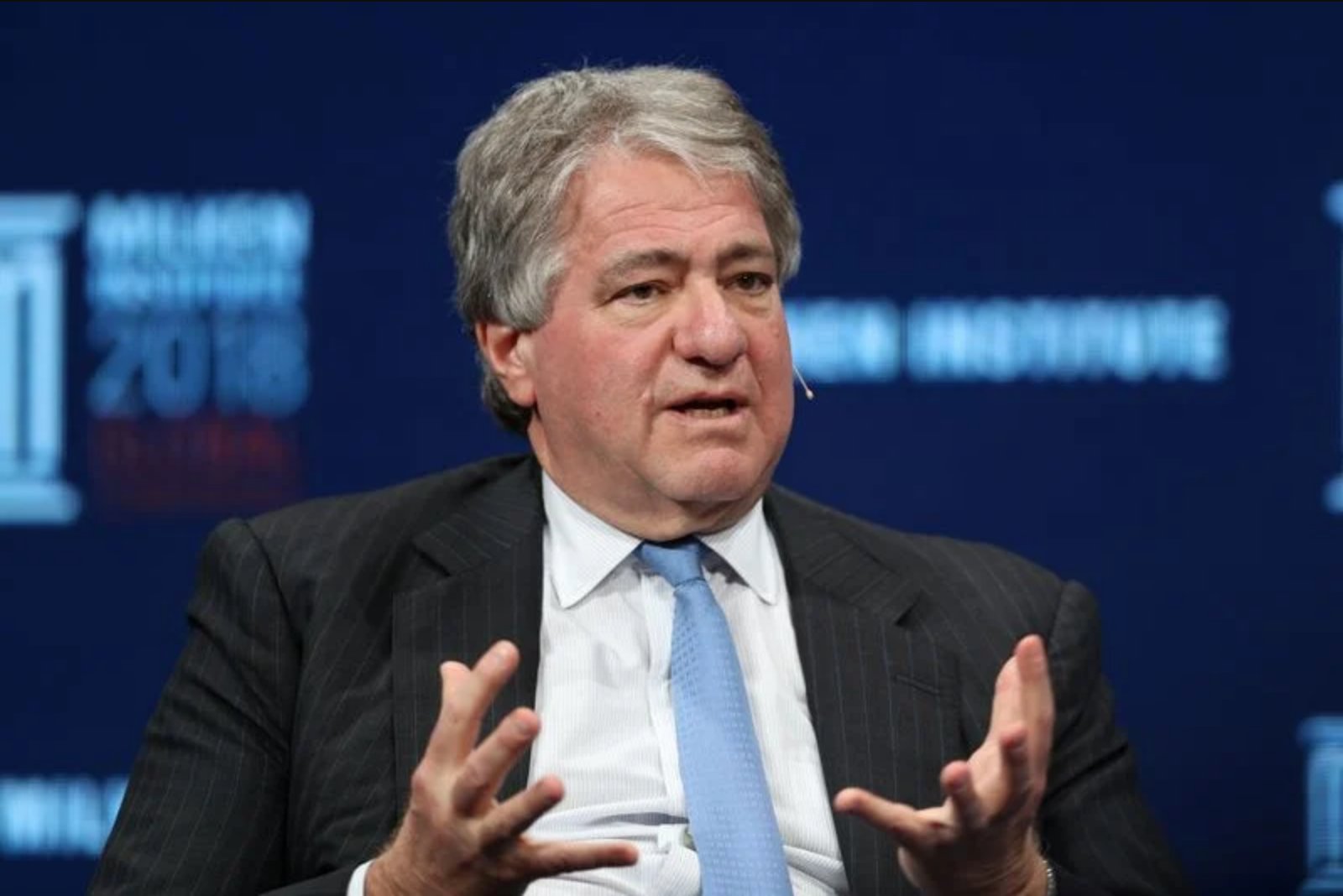
Billionaire investor Leon Black told members of the U.S. House Oversight and Reform Committee that he had no role in the criminal acts attributed to Jeffrey Epstein and has denied any personal involvement in sexual misconduct.
In an opening statement supplied to committee members, Black said, "Let me state unequivocally that I have never abused a woman. I have never been with an underage woman." He added, "I have never engaged in sex trafficking. I have never paid Epstein for access to women. I was never blackmailed by Epstein."
Black appeared for a private interview with the congressional panel that is investigating the federal government's handling of the Epstein matter. Epstein, a financier who associated with numerous figures in business and politics, pleaded guilty in 2008 to state prostitution charges and served 13 months in jail. He was later arrested in 2019 on federal charges alleging sex trafficking of minors, and his death in a Manhattan jail in 2019 was ruled a suicide.
The investor relinquished his role as head of private equity firm Apollo Global Management in 2021 after an external law firm review concluded that Black had paid Epstein $158 million for tax and estate planning services. In 2023 Black made a separate payment of $62.5 million to the U.S. Virgin Islands to resolve potential legal claims tied to an investigation related to Epstein.
Black faces several civil lawsuits from women alleging sexual abuse. According to the information provided to the committee, two of those suits have been dismissed and a third remains pending. Black has denied all allegations against him and has not been subject to criminal charges.
Oversight Committee Chairman James Comer said the panel has hundreds of questions for Black focused on financial transactions and communications with survivors. "Of all the witnesses that have come thus far, this one has the potential to be the most groundbreaking deposition, in my opinion," Comer told reporters. The chairman's comments reflect the committee's stated intention to probe both the financial links and the committee communications connected to Epstein.
Black told the committee he was willing to answer inquiries about payments he made to Epstein and about work Epstein provided, but he declined to discuss aspects of his personal life. He said he knew Epstein for 18 years before making any payments and described Epstein's assistance as resolving a "massive estate problem."
Black also said he was aware of Epstein's 2008 guilty plea but was told at the time that "it was an isolated incident resulting from a fake ID." He stated that he regretted giving Epstein a second opportunity in 2013 and that he cut ties in 2018 "after more than a year of increasing turmoil in our professional arrangements."
The testimony and the committee's inquiry center on financial arrangements and communications rather than newly alleged criminal conduct by Black. The committee's focus on transactions and survivor communications has the potential to raise questions about the role that financial interactions played in Epstein's network and the extent of knowledge among those who dealt with him professionally.
The session is part of a broader congressional review into how federal authorities handled investigations tied to Epstein, and the private interview with Black represents a high-profile step in that effort.