
Economy July 9, 2026 12:12 PM

IMF and Venezuela Hold Talks on Mobilizing $350 Million in SDRs for Earthquake Relief

Discussions focus on using Venezuela's paid-in IMF reserve tranche to fund urgent humanitarian and reconstruction needs after June quakes

By Ajmal Hussain
Share
Twitter Reddit Facebook LinkedIn

The International Monetary Fund said Managing Director Kristalina Georgieva spoke with Venezuela's Acting President Delcy Rodriguez about deploying the country's $350 million paid-in reserve tranche of Special Drawing Rights to address immediate humanitarian needs stemming from the twin earthquakes on June 24. IMF spokesperson Julie Kozack clarified the reserve tranche is distinct from Venezuela's larger $4.5 billion SDR allocation and could be converted into usable currencies to support relief and reconstruction work.

IMF and Venezuela Hold Talks on Mobilizing $350 Million in SDRs for Earthquake Relief
Summarize with
ChatGPT Perplexity Claude Grok Gemini

Key Points

  • IMF Managing Director Kristalina Georgieva spoke with Acting President Delcy Rodriguez about using Venezuela's paid-in $350 million IMF SDR reserve tranche to address urgent humanitarian needs from the June 24 earthquakes - sectors impacted include humanitarian relief and housing reconstruction.
  • Venezuela has announced a $200 million reconstruction fund with the IMF intended to pay contractors rebuilding lost homes; both the IMF and World Bank have offered recovery assistance - impacting construction and public-sector contracting.
  • The paid-in reserve tranche is distinct from Venezuela's $4.5 billion SDR allocation and can be exchanged for underlying currencies to provide immediate liquidity - relevant for financial markets and sovereign liquidity management.

The International Monetary Fund reported on Thursday that Managing Director Kristalina Georgieva held a discussion with Venezuela's Acting President Delcy Rodriguez about tapping the country's paid-in reserve tranche of IMF Special Drawing Rights to meet urgent humanitarian needs following the twin earthquakes that struck on June 24.

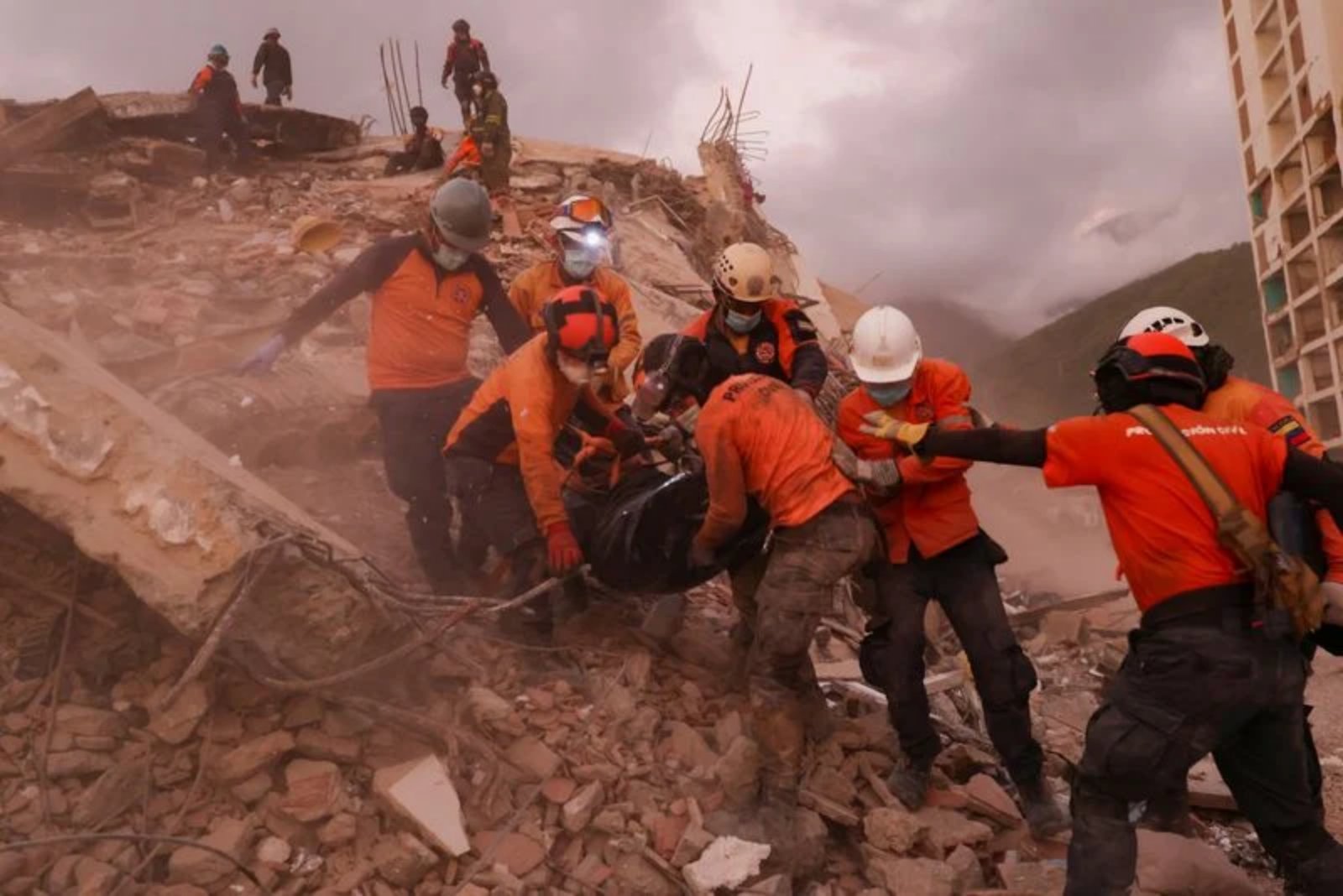
IMF spokesperson Julie Kozack said the conversation centered on the economic impact and humanitarian requirements resulting from the quakes, which have killed more than 3,800 people, injured nearly 17,000 and left almost 18,000 Venezuelans homeless.

Kozack described the reserve tranche as an "important and readily available source of liquidity that can be mobilized quickly to help address urgent humanitarian needs arising from the disaster." She added: "We have been working with counterparts to facilitate access to Venezuela's own resources at the fund."

Officials in Caracas have already signaled a plan to channel IMF-linked funds into reconstruction. Rodriguez said last week that Venezuela was creating a $200 million reconstruction fund with the IMF, with the money intended to go to contractors to rebuild lost homes. She also indicated that both the IMF and the World Bank have offered assistance to support recovery efforts.

Kozack emphasized that the discussions involved Venezuela's paid-in SDR reserve fund, which she said was about $350 million as of July 8, rather than the nation's broader $4.5 billion SDR allocation. She explained the distinction, calling the reserve fund "basically its readily available claim from its paid-in reserve assets to the IMF, and that's different from the SDRs that Venezuela has from the SDR allocation." Kozack noted that these reserve assets "could be exchanged for underlying currencies for use."

The IMF's engagement with Venezuela has increased in recent months. The fund has been re-engaging with Venezuela since the U.S. ousted former President Nicolas Maduro in January, but the South American oil producer remains far from qualifying for an IMF loan program because it must first engineer a complex restructuring of some $200 billion in debt.

Special Drawing Rights are the IMF's reserve assets that member countries hold at the fund, allocated according to shareholding. Kozack reiterated that SDRs are backed by a basket of currencies - dollars, euros, yen, sterling and yuan - and can be converted into usable currencies when needed.


The discussions between Georgieva and Rodriguez underscore immediate priorities: rapidly deploying liquidity to alleviate the humanitarian fallout of the earthquakes, and coordinating with international financial institutions on short-term relief and medium-term reconstruction funding. At the same time, Venezuela's broader access to IMF programs remains constrained by the need to resolve substantial sovereign debt issues.

Risks

  • Venezuela is not currently eligible for a full IMF loan program because it needs to restructure approximately $200 billion of debt - this sustained sovereign debt restructuring requirement poses a risk to broader financial assistance and sovereign credit conditions (impacts sovereign debt markets and international lenders).
  • Even if the $350 million paid-in reserve tranche is mobilized, the scale of humanitarian and reconstruction needs following the quakes may exceed available immediate resources - this risk affects humanitarian agencies, construction firms, and local government budgets.
  • Coordination and access to funds could be delayed by administrative or technical hurdles in converting SDR reserve assets into usable currencies, which would slow delivery of relief and reconstruction payments (impacts financial operations and aid delivery channels).

More from Economy

Poland’s central bank steps up bullion purchases, acquiring 82 tons so far in 2026 Jul 9, 2026 Ben Bernanke Named to Anthropic's Long-Term Benefit Trust Jul 9, 2026 Treasury Prices Firm as Investors Buy Back Bonds After This Week's Drop Jul 9, 2026 Funding Strains Return as Leverage Builds in U.S. Equity Markets Jul 9, 2026 IMF Seeks Dialogue with Fed on Review of Forward Guidance and Communications Jul 9, 2026