
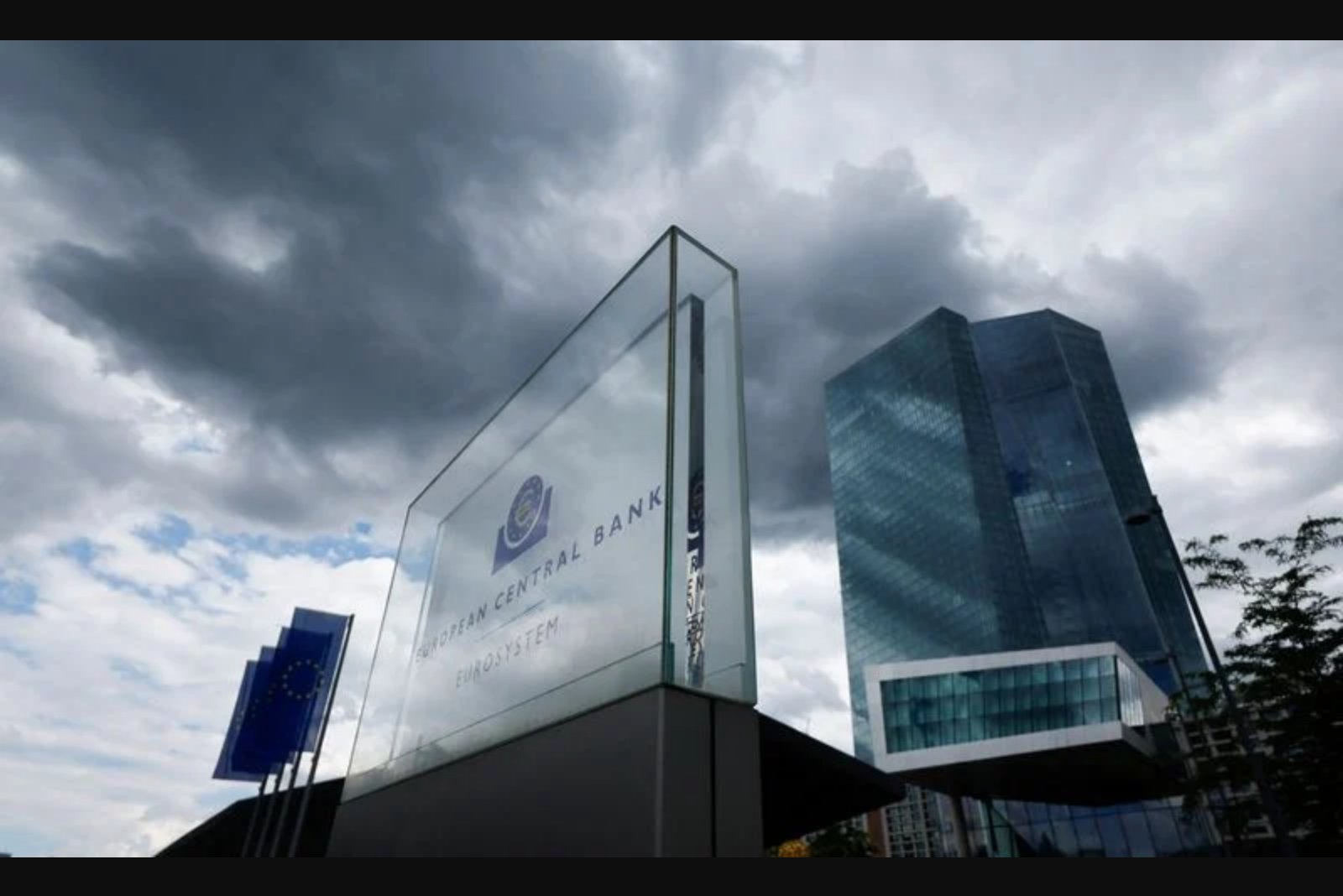
Euro-area inflation slowed markedly in June, surprising markets and policymakers by dropping to 2.8% from 3.2% in May, below the 3.0% consensus expectation. The deceleration was broad-based, with food, energy and services all recording weaker year-on-year increases.
A commonly watched measure of underlying price pressures - which strips out volatile food and fuel components - also eased, falling to 2.4% from 2.6% the prior month. Services inflation declined to 3.2% from 3.5%, signaling softer price momentum in a segment closely monitored by the European Central Bank for signs of persistent inflationary pressures.
Although the June readings remain above the ECB's 2.0% target, the recent fall in oil prices on market bets for a peace deal has supported hopes that energy-driven price pressures may abate and that the wider economic impact from the earlier energy shock could be limited. A number of central bank officials, speaking on and off the record, have indicated there is no urgent need to follow June's quarter-point rate increase with another move immediately, preferring time to observe how price dynamics evolve.
The ECB's central concern continues to be the potential for the initial energy price shock to feed through to broader goods and services prices and ultimately wages - a so-called second-round effect. To date, those knock-on effects have not emerged strongly and wage growth is not accelerating, which bolsters arguments for a pause to assess whether recent disinflationary signs persist.
Despite the softer June report, the prevailing view among most economists and investors remains that the ECB will likely resume tightening in the autumn, with further rate increases expected in September or October if needed. That expectation reflects the fact that energy prices remain well above pre-war levels and the ongoing Middle East conflict could yet take another unexpected turn, leaving price expectations vulnerable to renewed volatility.
Analysts also flag additional upside risks to inflation tied to supply-side developments: shortages of fertilizer originating in the Middle East and a heatwave in parts of Europe could reduce crop yields and push food prices higher, potentially offsetting easing energy costs. The ECB will next set policy on July 23, leaving markets to weigh whether the latest data justify a pause or merely a temporary slowdown in the tightening path.
Key points
- Headline euro-area inflation fell to 2.8% in June from 3.2% in May, below the 3.0% forecast.
- Core inflation excluding food and energy eased to 2.4% from 2.6%; services inflation dropped to 3.2% from 3.5%.
- The softer prints reduce pressure on the ECB to raise rates immediately after June's quarter-point hike, though most expect further tightening in September or October if warranted.
Risks and uncertainties
- Renewed escalation in the Middle East conflict could push energy prices higher again, affecting inflation and market volatility - impacting energy and financial markets.
- Fertilizer shortages from the Middle East combined with a European heatwave could lower crop yields and lift food prices, influencing the agriculture and consumer food sectors.
- Failure of wage growth to remain subdued or emergence of second-round price effects would complicate the ECB's decision-making on policy - relevant to labor-intensive services and broader wage-sensitive industries.