
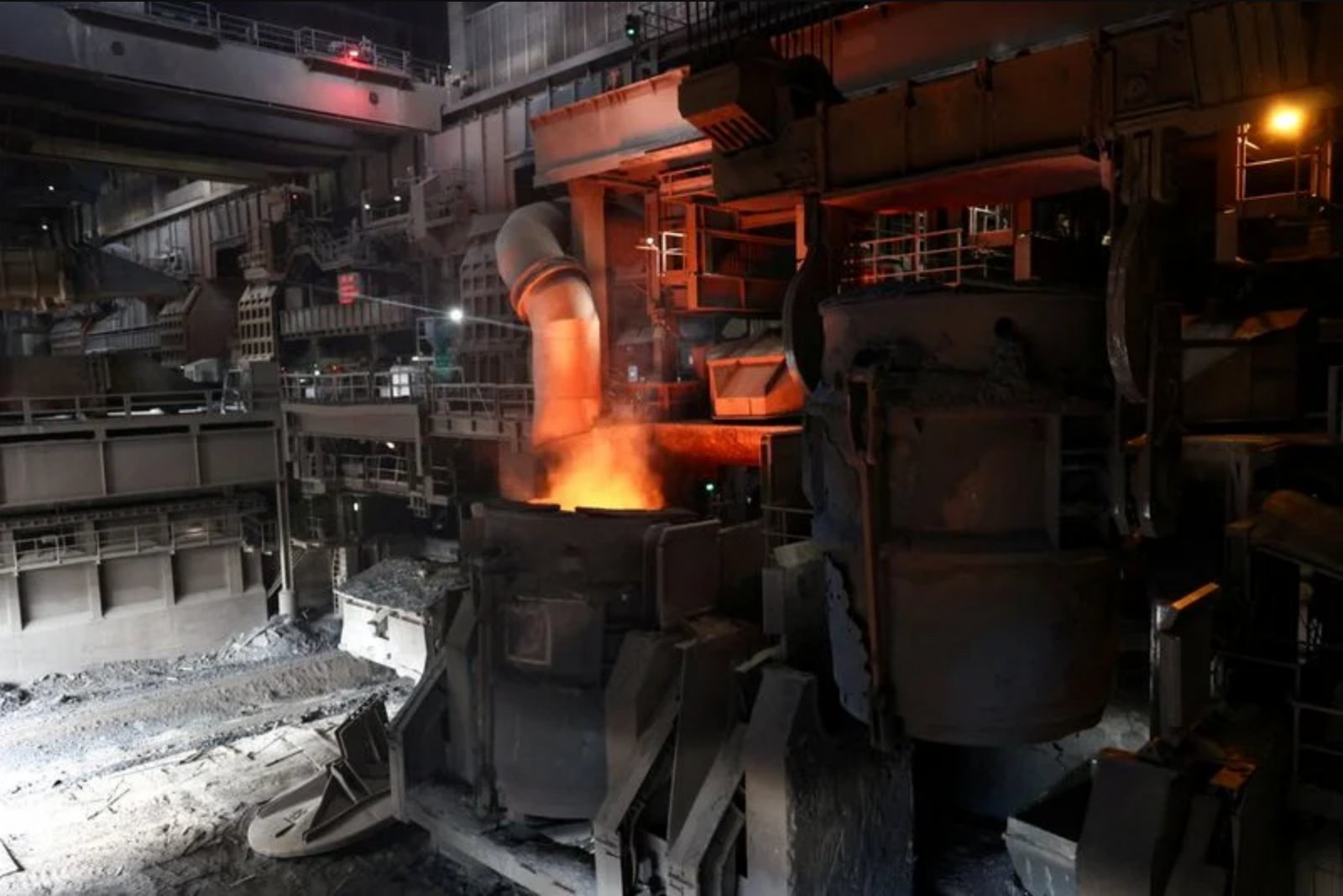
Euro zone manufacturing concluded the quarter with continued expansion in June, adding to what S&P Global described as the strongest calendar quarter for production in the region since the opening months of 2022. The S&P Global Eurozone Manufacturing PMI eased to 51.4 in June from 51.6 in May but remained above the 50.0 level that separates growth from contraction for a fifth consecutive month. The final June reading was marginally higher than a preliminary estimate of 51.3.
S&P Global noted that the rise in output in June helps to offset recent weakness registered in the services sector. New orders moved back into modest growth after stalling in May, although the improvement was described as only marginal. Export orders, by contrast, continued to exert a slight drag on activity.
The survey's output sub-index climbed to a two-month high of 51.7 in June from 51.3 in May. Within the country breakdown, Spain and France were the only economies in the panel to record declines in manufacturing output for the month.
Employment in factories kept falling in June, but the rate of job cuts moderated compared with earlier months. On the price front, input cost inflation eased to its softest pace since March, interrupting a stretch of accelerating cost pressure that had persisted since September. Firms also reported a slowdown in output charge inflation, which fell to a three-month low and offered some relief to buyers.
The European Central Bank raised interest rates in June amid a surge in energy costs related to the war, which pushed inflation above 3% - well above the ECB's 2% target. A Reuters poll published at the start of June had predicted a 0.1% expansion of the economy for the quarter.
S&P Global cautioned that most survey responses were collected before the signing on June 17 of a memorandum of understanding for a ceasefire between the United States and Iran, meaning the full effects of that agreement on supply chains and energy prices are not yet reflected in the data.
Business sentiment among manufacturers improved in June, rising to a four-month high as it recovered from a 17-month low recorded in April. Despite this uptick, firms' confidence remained slightly below its long-run historical average.
Context and interpretation
The PMI reading indicates that while underlying momentum in euro-area manufacturing is positive, growth is fragile and uneven across countries. The combination of easing input and output inflation and a moderate uptick in orders points to a less pressured cost environment for producers, yet persistent weakness in export demand and continued job reductions underline remaining headwinds for the sector.
Data note
All survey data and commentary referenced here are drawn from the S&P Global Eurozone Manufacturing PMI release and related observations captured in the June survey period.