
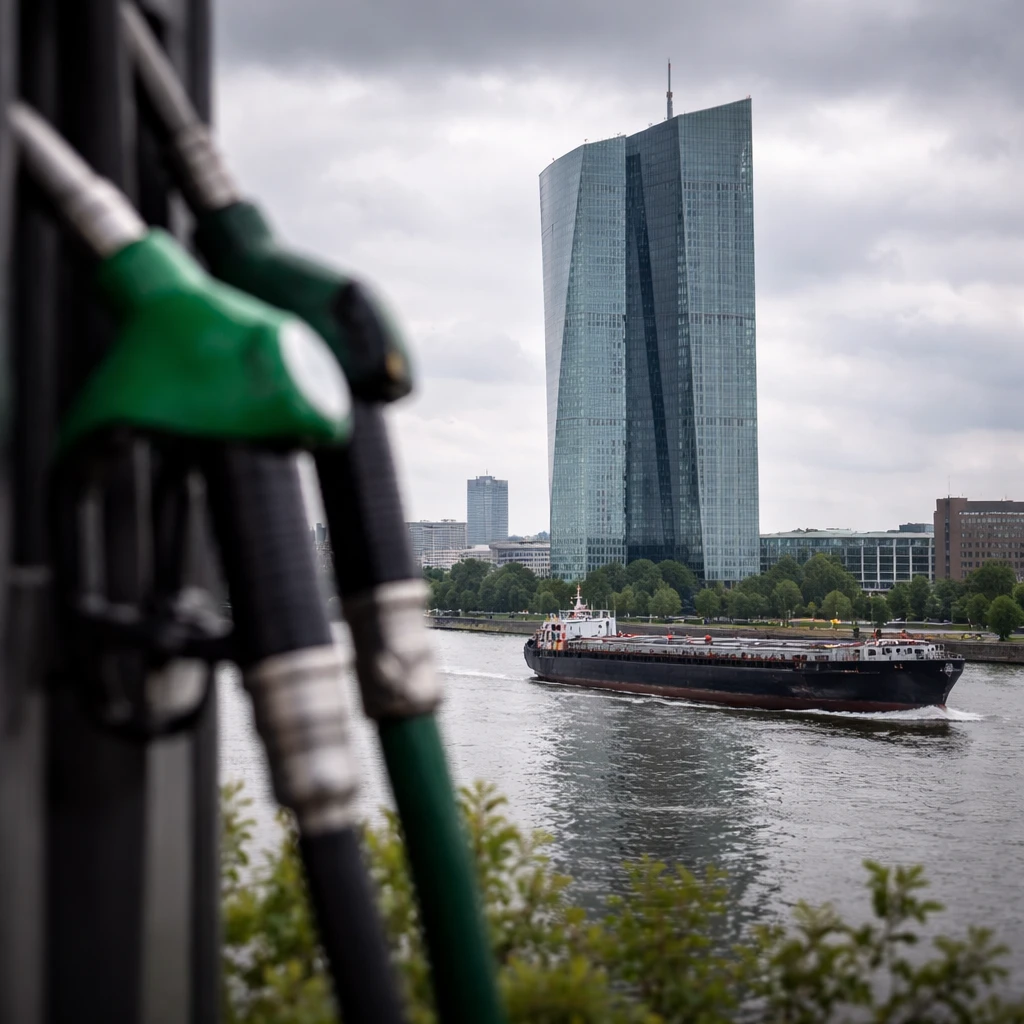
The European Central Bank may opt to leave interest rates unchanged at its next policy meeting on July 22 if energy markets do not see renewed volatility, according to two sources who attended recent internal discussions. The consideration of a pause comes after monetary policymakers approved a rate increase on Thursday - the central bank's first rise in nearly three years - aimed at containing inflation before higher fuel costs filter more widely through the euro zone economy.
Those at the meeting said the most likely near-term scenario is a pause in July rather than an immediate additional hike, contingent on continued stability in global energy prices. One participant noted that a fresh and significant surge in oil would be required to change that calculation - specifically, a move that would carry Brent crude above $100 per barrel. That threshold, the source said, reflects the fact that second-round inflationary effects on other goods and services have not materialized to date.
A second attendee cautioned that a sudden uptick in core inflation could force the central bank to abandon a pause and press ahead with higher rates sooner than currently expected. Both sources nevertheless emphasized that the baseline outlook within the ECB still envisions further monetary tightening over time if the inflation trajectory does not show meaningful improvement.
Current ECB projections, as reviewed by officials, point to the possibility of two additional rate increases as part of the broader policy path. That means a decision to hold in July would not remove the option of further hikes later in the cycle if inflation proves persistent. The July meeting is therefore being framed as conditional rather than determinative.
For sectors sensitive to fuel costs and financing conditions - including transportation, logistics, and energy-intensive industries - the distinction between a temporary pause and continued tightening remains material. Market participants will be watching both energy price movements and core inflation readings closely for signals that could prompt renewed action from the ECB.
Key takeaways
- ECB raised rates on Thursday for the first time in nearly three years to combat inflation.
- Two sources at a policy meeting said a pause at the July 22 meeting is currently more likely than another immediate hike, provided energy prices stay stable.
- ECB projections still include two further rate hikes, so a July pause would not preclude later tightening if inflation does not improve.
Risks and uncertainties
- A significant new rise in oil prices - specifically a move that pushes Brent crude above $100 per barrel - could prompt an earlier rate increase; this would directly affect energy and transport sectors.
- An unexpected surge in core inflation readings could force the ECB to act immediately rather than pause, impacting financial markets and borrowing costs across the economy.