
Economy May 29, 2026 04:35 AM

ECB poised to recalibrate policy to prevent energy shock feeding persistent inflation, Panetta says

Bank of Italy governor warns higher energy costs risk seeding longer-term inflation; central bank set to weigh rate move in June

By Avery Klein

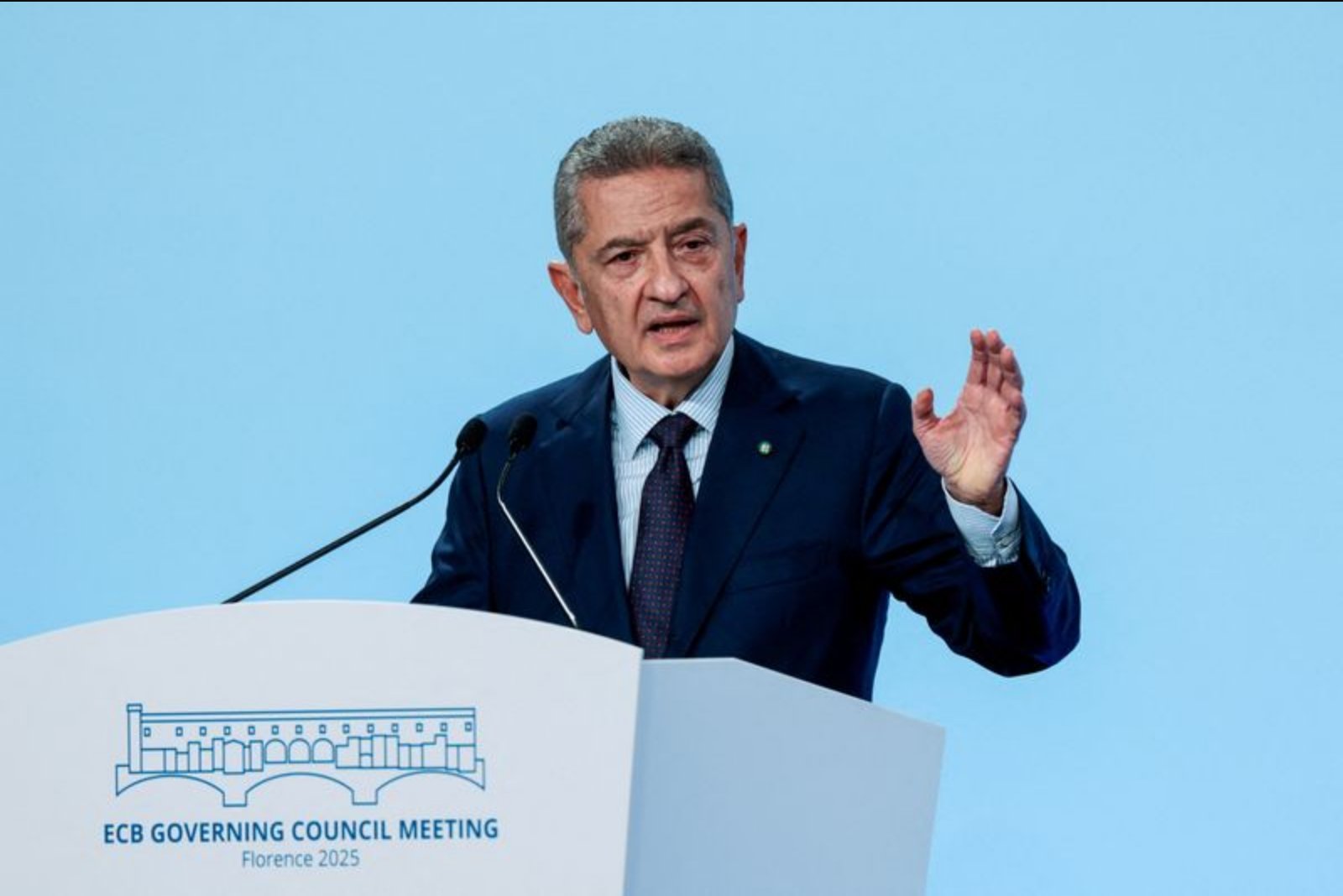
Fabio Panetta, governor of the Bank of Italy and a member of the European Central Bank's governing council, told the Italian central bank's annual assembly in Rome that the ECB will act in a timely and measured way to prevent the current energy shock from translating into persistent inflation. He said the forward-looking inflation outlook points to a recalibration of monetary policy, and that the June 10-11 governing council meeting will be critical to assess the pass-through from higher energy prices. Panetta also cautioned that oil and gas prices are unlikely to normalise quickly even if the Iran war is rapidly resolved, noted rising consumer inflation expectations and firms planning price increases, and observed that medium-term inflation expectations in financial markets remain anchored at the ECB's 2% target.

ECB poised to recalibrate policy to prevent energy shock feeding persistent inflation, Panetta says

Key Points

  • ECB member Fabio Panetta said the central bank will act in a timely and measured manner to stop the current energy shock from producing persistent inflation - impacts central bank policy and bond markets.
  • Panetta indicated the forward-looking inflation picture calls for a recalibration of monetary policy and highlighted the June 10-11 governing council meeting as critical to assess pass-through from higher energy prices - impacts interest rates and banking sector expectations.
  • He warned oil and gas prices are unlikely to normalise quickly even if the Iran war is rapidly resolved, while consumers' inflation expectations are rising and firms are planning price increases - impacts energy, consumer goods, and corporate pricing strategies.

Fabio Panetta, governor of the Bank of Italy and a member of the European Central Bank's governing council, said the ECB will move in a "timely and measured manner" to prevent the present energy shock from becoming entrenched inflation.

Speaking at the Italian central bank's annual assembly in Rome, Panetta described the near-term inflation outlook as forward-looking and argued it appears to call for a recalibration of monetary policy by the ECB. He said that recalibration is intended to head off the risk that elevated energy costs feed through into broader, persistent price rises.

The ECB is widely expected to raise interest rates at its next governing council meeting on June 10-11, with a number of policymakers signalling a need for action. Panetta said the June meeting will be an important moment to evaluate how much of the recent rise in energy costs is passing through into the broader price environment.

On the outlook for commodity markets, the Bank of Italy chief warned that oil and gas prices are unlikely to return to normal quickly even if the Iran war is rapidly resolved. That caution underpins his argument for the central bank to be forward-looking in its policy response.

Panetta also highlighted signs of inflationary momentum in the real economy, noting that consumers' inflation expectations are rising and that businesses have already begun to plan price increases. Those developments are a concern for policymakers because they can reinforce inflation persistence if left unchecked.

At the same time, Panetta pointed out that medium-term inflation expectations in financial markets remain firmly anchored to the ECB's 2% target. That anchoring offers some reassurance that longer-term inflation expectations have not yet detached from the central bank's objective.


Context and implications

Panetta framed the case for measured policy adjustment around three central elements: the need to prevent an energy-driven rise in inflation from becoming self-sustaining; the upcoming governing council meeting on June 10-11 as a key decision point; and the uncertain near-term path of oil and gas prices even under a scenario of rapid resolution of the Iran conflict. He balanced those concerns with the observation that market-based medium-term inflation expectations continue to align with the ECB's 2% goal.

His remarks underline the ECB's focus on forward-looking policy decisions and the role of energy price dynamics in shaping the inflation outlook.

Risks

  • Risk that higher energy costs pass through into broader, persistent inflation if not addressed - affects consumer prices and sectors sensitive to energy costs such as manufacturing and transportation.
  • Uncertainty over the extent and speed of pass-through from energy prices to core inflation at the June 10-11 meeting - creates volatility risk for fixed-income and interest-rate-sensitive assets.
  • Possibility that rising consumer inflation expectations and firms' planned price increases could reinforce inflationary momentum - impacts household purchasing power and corporate margins.

More from Economy

Market Resilience Amidst Sector Shifts: Dow and Russell 2000 Reach New Heights Jun 4, 2026 Australian house price momentum to slow to four-year low as borrowing costs bite Jun 4, 2026 Kevin O’Leary Scales Back Utah Data Center Plan Amid Lawmaker Concerns Jun 4, 2026 Fed's Daly Says AI Could Exert Downward Pressure on Prices Over Several Years Jun 4, 2026 Putin Says Moscow Willing to Make Concessions if Kyiv Reciprocates Jun 4, 2026