
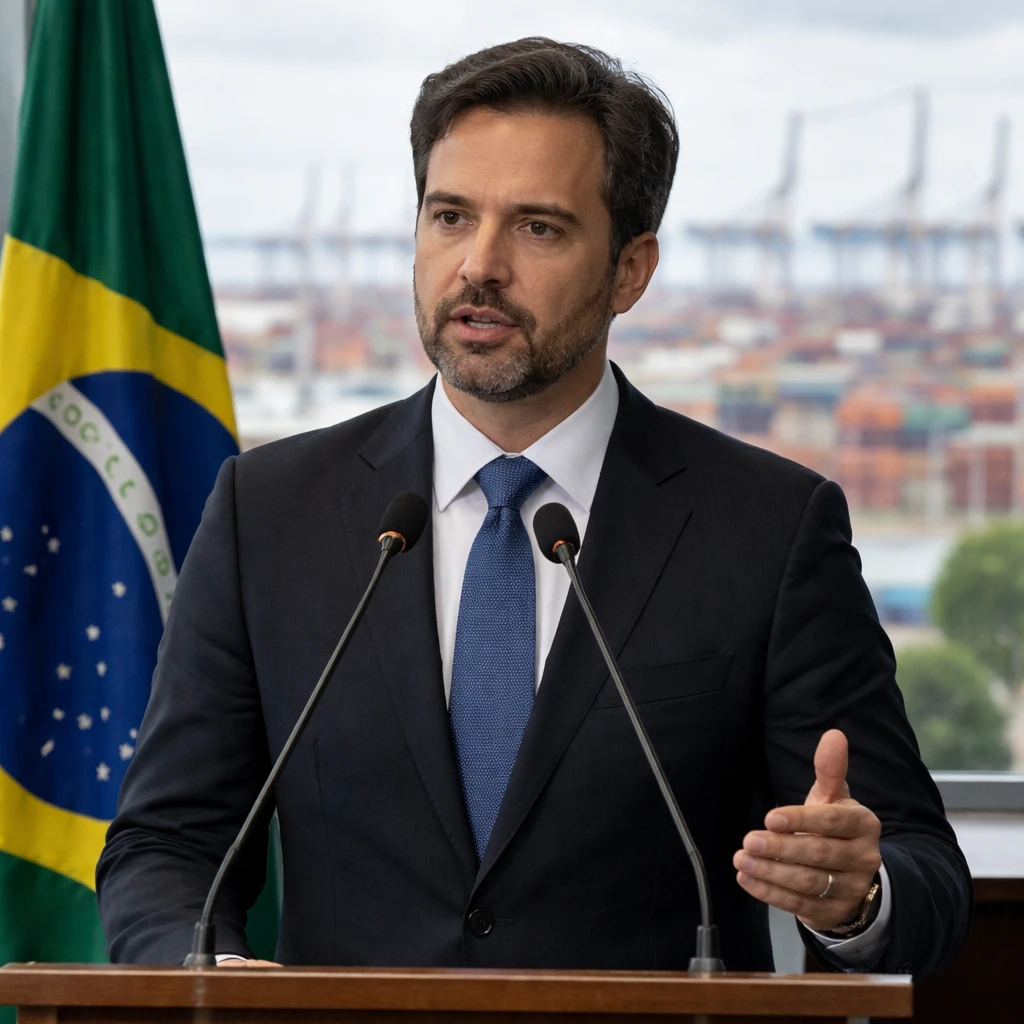
Brazil’s finance minister, Dario Durigan, on Monday characterized recent U.S. tariffs on a range of Brazilian products as a form of "external interference" and said he expects the trade dispute to be resolved following the presidential election in October.
Durigan said he intends to seek a meeting with U.S. Treasury Secretary Scott Bessent on the sidelines of G20 meetings next month to press Brazil’s case against the measures. He told Radio Jornal that the duties imposed by Washington are unacceptable but that Brazil will remain engaged in negotiations.
"The U.S. tariffs are a complete absurdity," Durigan said. "But we are not leaving the negotiating table."
Washington implemented a 25% tariff earlier this month on several Brazilian products, citing what it described as unfair trade practices. In a separate move last week, U.S. authorities announced an additional 12.5% levy linked to concerns over forced labor.
Brazil’s government estimates the combined measures will touch 23.1% of its exports, and that 16.5% of exports will face combined duties totaling 37.5%.
Durigan connected the dispute to the current election environment in Brazil, accusing members of the right-wing opposition led by Senator Flavio Bolsonaro - who is challenging President Lula in the October vote - of seeking foreign support. He cited contacts between Senator Bolsonaro and foreign politicians, including Argentina’s President Javier Milei and unnamed U.S. officials.
Earlier this month, Senator Bolsonaro made representations to the U.S. Trade Representative against the tariffs on Brazilian goods, an effort described by Durigan as an attempt to distance himself from a policy that had previously been used to defend former President Jair Bolsonaro.
"I think after the election this gets resolved, one way or another," Durigan said. He added that Brazil should both deepen trade ties with other partners and continue diplomatic discussions with Washington.
On the domestic economic outlook, Durigan rejected suggestions that Brazil could fall into a recession next year. He acknowledged that elevated interest rates will slow economic growth but said they will not cause a contraction.
The government maintains a projection of economic growth of more than 2% for next year. By contrast, economists surveyed by the central bank expect expansion closer to 1.5%, a gap Durigan noted while reaffirming the official forecast.
The finance minister’s statements underscore the intersection of trade policy, election politics and macroeconomic forecasts as Brazil navigates external pressures and domestic economic management ahead of the October vote.