
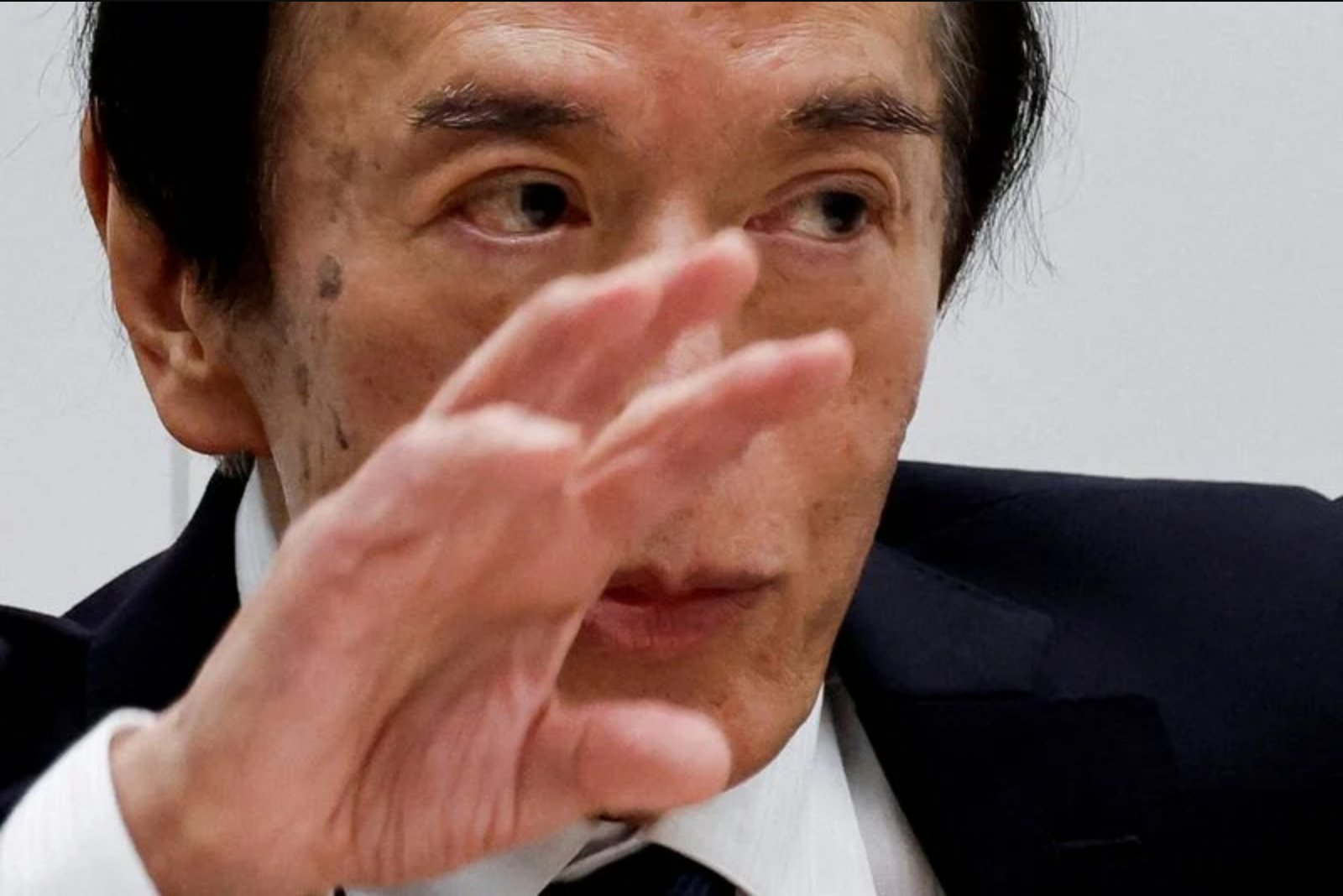
Bank of Japan Governor Kazuo Ueda's unexpected two-week hospital stay has created a challenging optics moment for the central bank just days before a highly anticipated policy review. The BOJ enters the June 15-16 meeting - where it is widely expected to lift its policy rate again - without the physical presence of its governor, a situation that officials say will not change the substance of the decision but may complicate how it is presented to markets.
Ueda, 74, has been hospitalised to receive treatment for an infected liver cyst, the Bank of Japan said, and is anticipated to remain in care for around two weeks. The central bank added that he will work remotely during this period and is expected to attend the July 30-31 policy meeting. Chief Cabinet Secretary Minoru Kihara told reporters that coordination between the government and the central bank and the conduct of policy would remain unaffected by the governor's absence.
Policy insiders and market watchers largely agree that the near-term policy decision itself is effectively decided. Ueda signalled last week that the BOJ is prepared to raise its policy rate to 1.0% from 0.75%, a step viewed as supported by a board that has been moving in a more hawkish direction. But even as the numerical outcome appears set, the change in who briefs markets after the decision - Deputy Governor Shinichi Uchida will address the media in place of Ueda - adds an extra layer of uncertainty to the message that investors receive.
For a central bank in the midst of a pivot toward tighter policy, clarity and coherent messaging are essential. Analysts warn that while one missed meeting may not derail the BOJ's plans, the temporary lack of the governor's public presence could draw attention to any fractures within the policymaking board or to differences in tone between members.
"The governor missing just one policy meeting won’t cause big problems. But if it turns into something longer, that’s a different story," said Takahide Kiuchi, a former BOJ board member. "When markets are turning attention to the rift within the board, his absence may raise questions about his leadership." Those remarks reflect concern that Ueda has sometimes appeared more cautious than some colleagues; his absence could shift focus toward more hawkish figures or, conversely, expose an absence of a clear anchoring voice.
The timing of this hospitalisation follows a recent medical episode involving another senior BOJ official. Deputy Governor Uchida was discharged from hospital last month after treatment for leukaemia. That context gives the current situation additional sensitivity, though BOJ officials and government spokespeople have stressed organisational continuity.
Market participants will also watch the substance of communications closely. Economists note that if the deputy governor's approach to briefing differs in nuance from the governor's, investors may struggle to determine whether any tonal differences signal an actual shift in the bank's assessment or simply reflect the alternate speaker's style. "Even if Uchida’s communication is different in nuance from Ueda, it would be hard to discern whether it’s due to the deputy governor’s character or a change in the BOJ’s thinking," said Tsuyoshi Ueno, a senior economist at NLI Research Institute.
Some strategists expect the BOJ to be cautious about committing to a clear future rate path while the governor's recovery timeline is uncertain. "Given uncertainty on how long it may take for the governor to fully recover, it’s also becoming more unclear on whether the BOJ would hike again this year," said Mari Iwashita, executive rates strategist at Nomura Securities. That view underscores how leadership availability can affect not only the immediate meeting but also guidance about subsequent policy moves.
Beyond the immediate communications challenge, the episode has revived questions about how long Ueda might remain in the role and how future personnel changes could alter the bank's policy stance. Analysts see little chance of the governor resigning before his five-year term ends in April 2028; under Japanese law a central bank governor cannot be compelled to resign. But observers note that the demands of the job - including extensive travel and rigorous parliamentary scrutiny - may over time affect a governor’s ability to carry out duties.
If Ueda were to step down, Deputy Governor Uchida would serve as acting governor until the government selects a successor, the BOJ's rules stipulate. That sequence of events could give Prime Minister Sanae Takaichi - who some observers view as favouring looser monetary policy - an opening to influence the central bank's direction. The two deputy governors, Uchida and Ryozo Himino, have five-year terms that expire a month before Ueda's term ends, a timing element that could affect the composition of the board.
Attention also turns to the next personnel juncture at the BOJ: a July meeting next year when two hawkish board members will see their terms expire, offering the government an opportunity to fill those seats. "Next year’s personnel shift could overhaul the (dove-hawk) balance within the board. The BOJ may find it difficult to do anything that could draw the government’s ire," said Tsuyoshi Ueno of NLI Research Institute. He added that such political considerations could limit the BOJ's scope to raise rates further this year.
In sum, officials insist that the BOJ's policy decision in mid-June is not in doubt, and that the mechanics of policy setting will continue. But the optics of the governor's absence at a defining moment for the central bank - as it seeks to cement credibility as an inflation fighter amid global price pressures linked in part to the war in Iran - could complicate communications, raise questions about internal cohesion and highlight the potential for political influence in future personnel decisions.
Summary
The Bank of Japan will likely raise rates at its June meeting, but Governor Kazuo Ueda's two-week hospitalisation creates an optics and messaging challenge. While policy substance appears settled and Ueda will work remotely and return in July, his absence focuses attention on board dynamics, communications, and the potential for political influence over future appointments.
- Key points
- Ueda is hospitalised for treatment of an infected liver cyst and will work remotely; he is expected to attend the July 30-31 meeting.
- The BOJ is widely expected to raise its policy rate to 1.0% from 0.75% at the June 15-16 review, with the decision seen as supported by a more hawkish board.
- Deputy Governor Shinichi Uchida will brief the media after the decision, introducing ambiguity about messaging even if the policy outcome is settled.
- Risks and uncertainties
- Leadership perception risk - A prolonged absence could prompt market questions about Ueda's leadership and the BOJ's unity, affecting bond and broader financial markets.
- Communication risk - Differences in briefings by the deputy governor may blur whether nuance reflects personnel style or a shift in policy intent, complicating market interpretation.
- Political and personnel risk - Upcoming term expirations and the potential for government influence on appointments could alter the board's dove-hawk balance and constrain future tightening.