
Germany’s main industry lobby, the Federation of German Industries (BDI), announced on Monday a substantial downgrade to its growth expectations for 2026 and said the nation’s industrial base remains under acute strain from a mix of high costs, subdued investment incentives and rising geopolitical risks.
The BDI now projects economic expansion of just 0.4% in 2026, a marked reduction from the 1% growth forecast it published in January. The association said conditions have deteriorated in recent months, pointing in particular to the Iran war and the consequences for energy prices and supply chains.
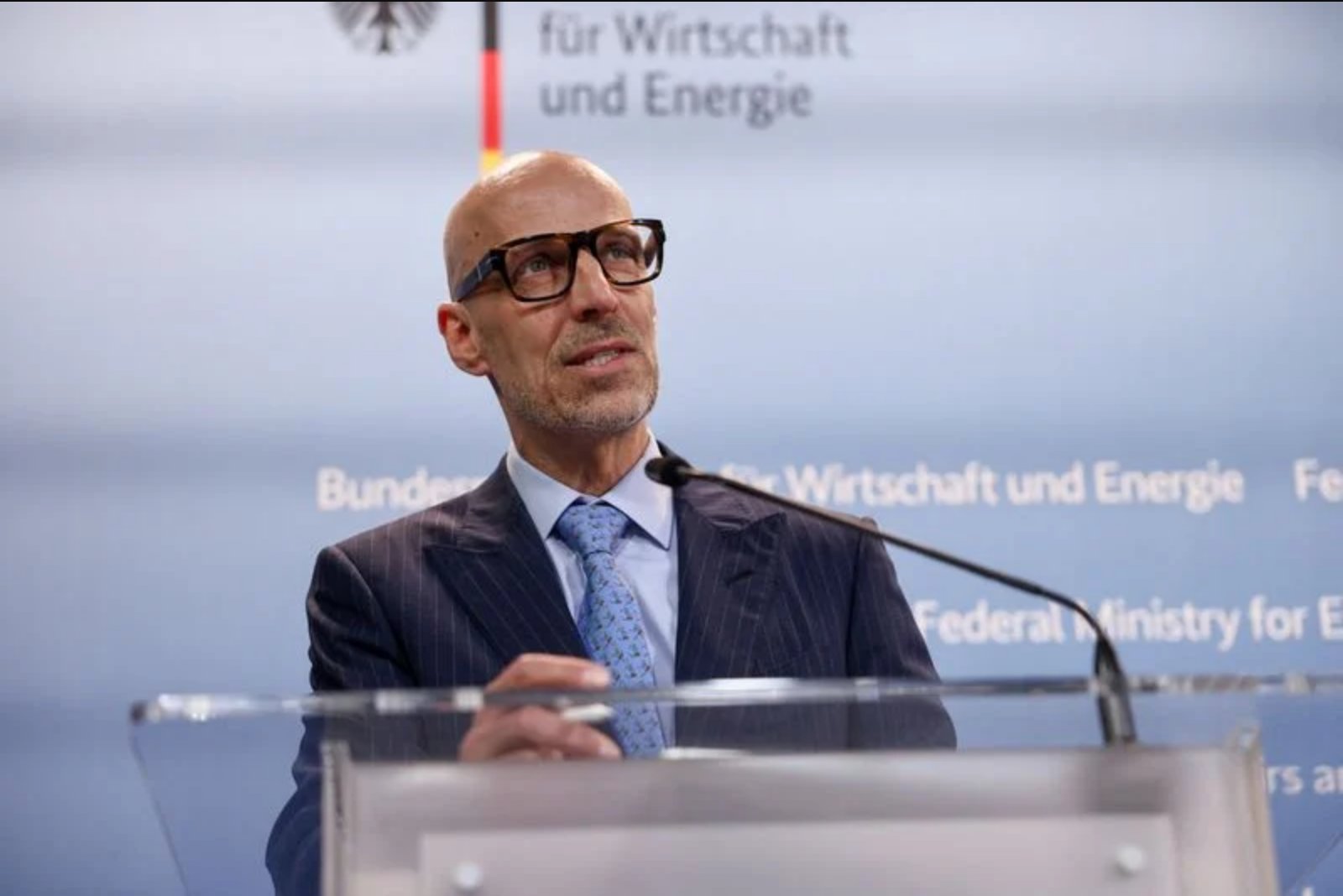
BDI President Peter Leibinger characterized the state of German industry as "critical, but not hopeless," and urged the federal government to take more decisive action to rebuild competitiveness and confidence among investors.
"The situation in German industry is critical, but not hopeless," Leibinger said. He stressed that policy decisions must aim to restore the attractiveness of Germany as a business location.
In explaining the pressures facing businesses, the BDI listed several specific burdens that it said are weighing on competitiveness:
- High energy prices;
- High taxes;
- High unit labour costs and high non-wage labour costs;
- Excessive bureaucracy.
These factors, the association argued, are contributing to weak investment conditions and undermining the industrial sector’s capacity to expand.
Rather than recommending isolated fixes, the BDI called for a broad package of reforms. Its priorities include lower corporate taxes, improved depreciation rules, stronger incentives for innovation, faster planning and approval processes, and a more efficient public administration.
"Policymakers must deliver - consistently, reliably, and with priority given to growth," Leibinger said. "That is how investment, growth, and a new beginning will emerge."
The BDI’s warning underscores the fragility of Germany’s industrial outlook amid persistent cost pressures and geopolitical uncertainty. The association framed its recommendations as steps intended to encourage investment and revive growth, but emphasized that comprehensive action is necessary rather than piecemeal measures.
While the association did not quantify the expected effects of specific reforms, it made clear that without decisive policy changes the combination of high costs and weak investment incentives could prolong the subdued growth trajectory signaled by the revised 0.4% forecast for 2026.