
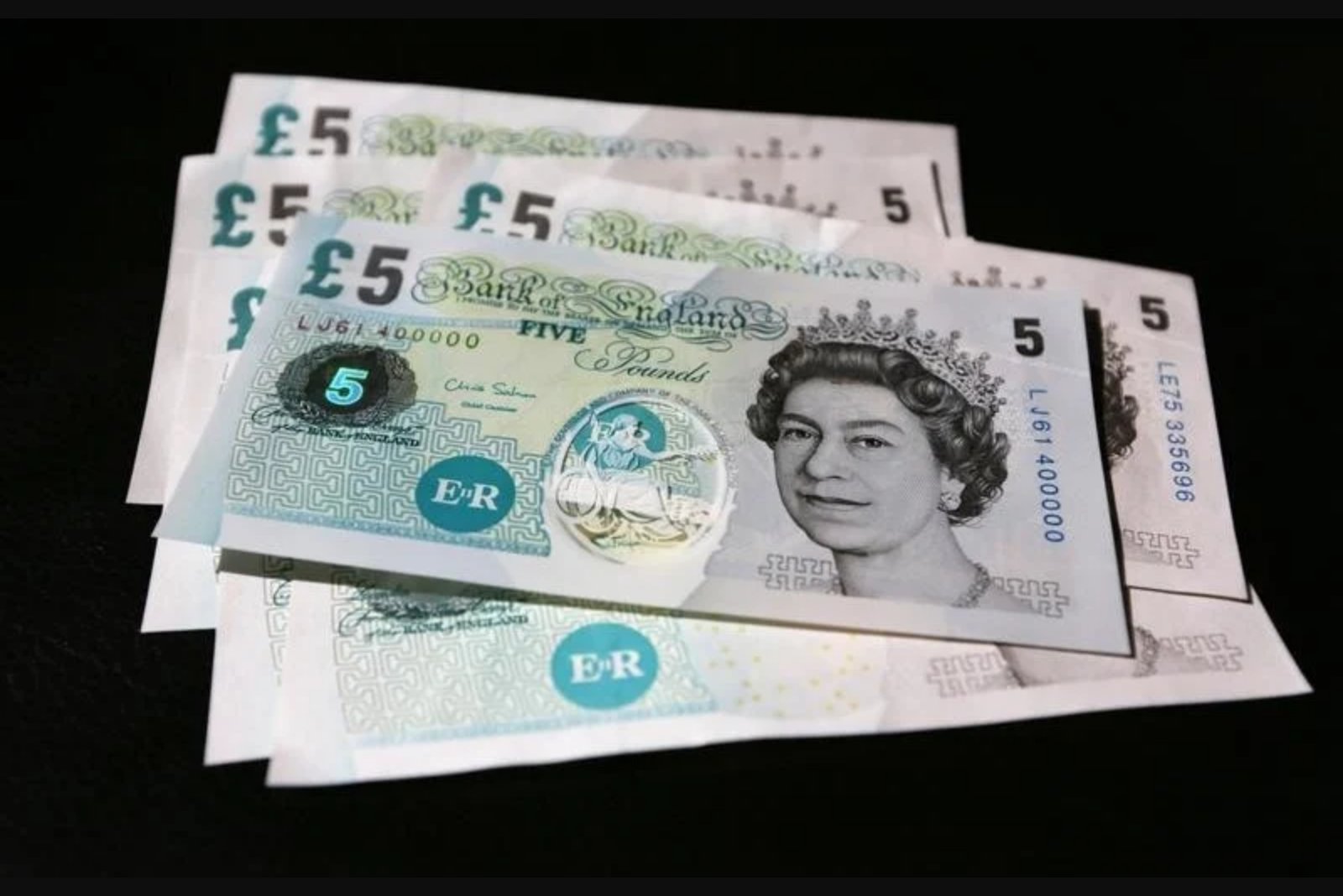
Sterling eased on Tuesday while the euro also slipped against the U.S. dollar, with traders pointing to firmer energy prices and rising long-term Treasury yields as the principal forces propping up the greenback.
By 04:33 ET (08:33 GMT), GBP/USD had fallen to 1.3529, a decline of 0.11% on the day, while EUR/USD was down 0.06% at 1.1573. Market participants said both moves reflected broader dollar strength rather than pound- or euro-specific weakness.
"The two factors providing near-term support are higher energy prices and rising 30-year Treasury yields," said Chris Turner, Global Head of Markets and Regional Head of Research for UK & CEE at ING. He noted the DXY dollar index had rebounded from range lows of 99.40 seen a day earlier and that the dollar was not prepared to make a sustained move lower.
Turner highlighted that Washington’s apparent reluctance to extend the 60-day ceasefire with Iran has pushed oil and gas prices higher, a development he described as "a dollar positive - both through US energy independence and the Fed’s reaction function." ING expects the DXY to remain within a 99.40-100 range.
On the interest-rate front, the rise in long-dated yields has been observed alongside record U.S. investment-grade issuance, with $145 billion printed in August. Turner suggested that heavy issuance was a more compelling explanation for the long-end sell-off than fiscal concerns, pointing out that 30-year swap spreads have not widened.
Market pricing for a September Fed rate move has gained ground this week, with the implied probability rising to 9 basis points from 7 basis points, according to ING’s read of pricing. Traders are now focused on a slate of U.S. data due this week that could influence that outlook, including July producer price index readings, weekly ADP payrolls, industrial production and housing data. Of those releases, PPI is widely viewed as the most market-moving ahead of the FOMC minutes due Wednesday night.
In the U.K., ING’s economist James Smith described the most recent jobs figures as broadly unremarkable. Payrolled employment edged down, and beneath the headline there was a split between continued government hiring, a worsening decline in consumer services, and a largely flat private sector.
Smith noted the uptick in unemployment should be treated cautiously because of known sampling issues in the Labour Force Survey, and added that private-sector pay growth remains below 3%. "The basic story is the same - the jobs market remains cool, and wage pressures are fairly minimal," he said, concluding that this ought to reduce near-term impetus for the Bank of England to push up rates this year.
EUR/GBP firmed modestly on the release, with ING seeing the pair biased toward the 0.8570/80 area. Attention in the U.K. turns next to July’s consumer price index due Wednesday, which could influence sterling moves if the data surprise.
For the euro more broadly, Turner observed that EUR/USD’s recent rally stalled just above 1.16 and that traders would be cautious pressing higher given elevated natural gas prices and the upcoming U.S. monetary-policy minutes. He expected EUR/USD to trade in a 1.1520-1.1580 range on Tuesday.
ING also said higher energy costs were strengthening expectations for a 25 basis point ECB hike in September, with a further 25 basis points anticipated by early next year in their house view. Their forecast calls for EUR/USD at 1.17 by the end of September and 1.18 by year-end, conditional on the Fed holding off on further tightening.
Markets will continue to weigh the interplay between energy prices, long-term U.S. rates and incoming economic data as the week progresses, with the potential for those elements to influence both dollar momentum and the policy outlook for major central banks.