
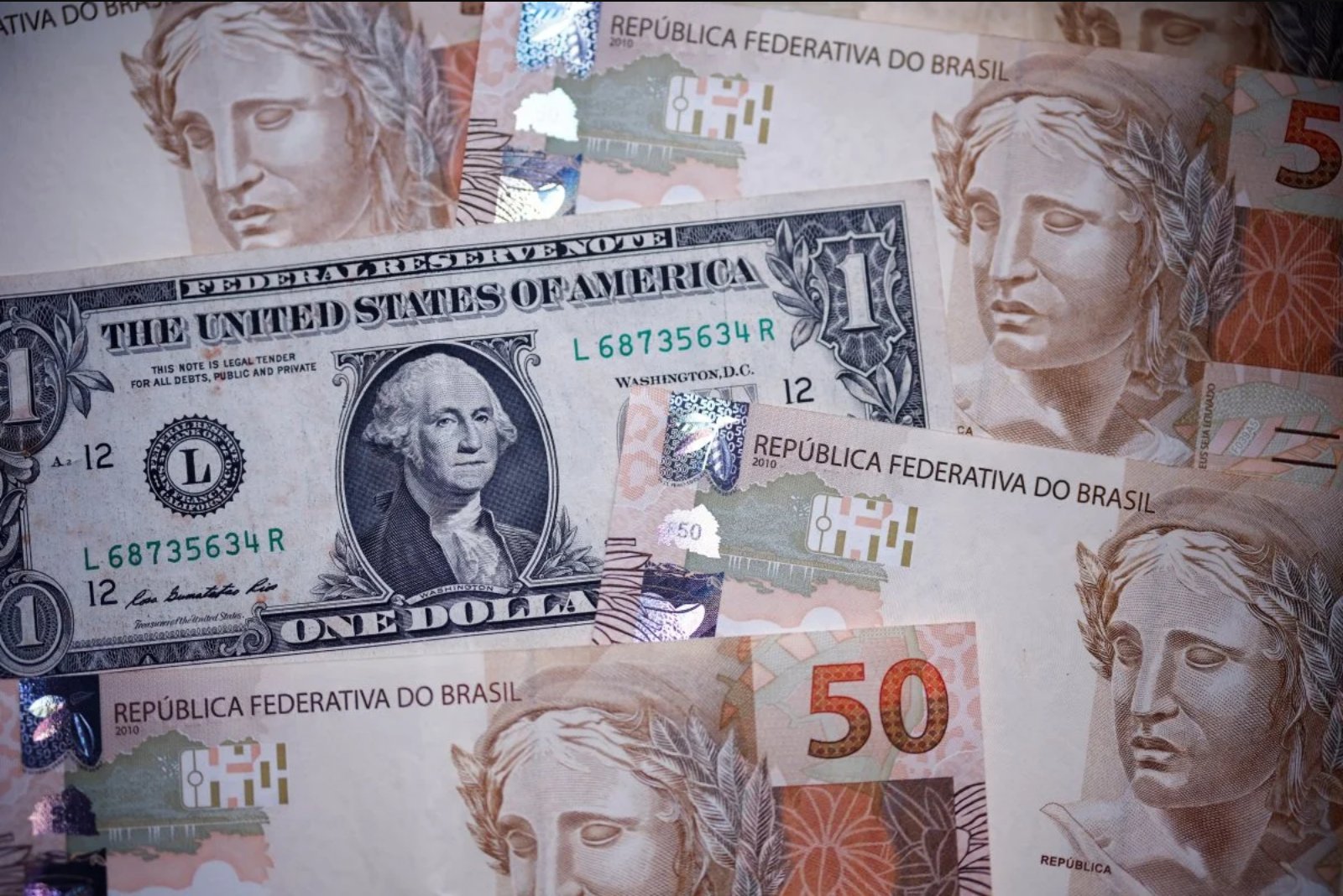
The U.S. dollar stayed close to a two-month high on Monday as a renewed rout in U.S. government bonds and firmer expectations of additional Federal Reserve rate hikes supported the greenback. Higher oil prices and fresh geopolitical friction kept market participants cautious ahead of significant U.S. economic data due later in the week.
Where markets stood - At 16:02 ET (20:02 GMT) the U.S. dollar index, which measures the currency against a basket of six major peers, was up 0.2% at 101.20, its strongest level since July 28. The index had recorded a near 1% gain over the prior week and was positioned for its best month since June.
Yields keep climbing - A pronounced rise in borrowing costs and a marked hawkish repricing of Fed policy expectations have been central drivers of the dollar's advance over the past two weeks, trends that continued on Monday.
The benchmark U.S. 10-year yield increased 5 basis points to 5.237%, reaching its highest level since June 2007. The 30-year yield rose 5.1 basis points to 5.553%, after finishing last week at its loftiest level since June 2004. Those moves signaled that markets were bracing for tighter monetary conditions ahead.
Geopolitical clouds - Diplomatic hopes dimmed after no breakthrough emerged between the U.S. and Iran on the sidelines of last week’s U.N. General Assembly in New York. The situation deteriorated further over the weekend after President Donald Trump said on Saturday he had rejected an Iranian proposal to reopen the Strait of Hormuz and halt hostilities. Iran, in turn, reiterated it would not ease conditions tied to unblocking the strategic maritime chokepoint.
There was, however, some potentially constructive reporting on Monday. Al Jazeera, CNN and Axios carried reports that Trump was willing to ease sanctions on Iran and release frozen assets in return for verifiable progress on Tehran’s nuclear program.
Fed expectations and the calendar - Nearly a fortnight ago the Federal Reserve raised interest rates for the first time in over three years and signaled that more tightening may follow. Subsequent increases in oil prices and U.S. business activity data have reinforced the likelihood of additional hikes.
According to the CME FedWatch tool, the chance of a quarter-point Fed hike in October stood at 70%, up from 64% a day earlier and above 57% a week ago. Higher policy rates generally lend support to the dollar.
This week’s economic schedule has taken on added significance for markets seeking clues about the Fed’s next steps. On Wednesday investors will get the latest reading on the Fed’s preferred inflation gauge, the personal consumption expenditures (PCE) price index. Labor market data are also due: the August Job Openings and Labor Turnover Survey (JOLTS) on Tuesday and the widely watched September nonfarm payrolls report on Friday.
On the risk of weakening labor market momentum, José Torres, senior economist at Interactive Brokers, said: "Any evidence later this week that elevated fuel costs and soaring interest rates are weakening labor market momentum could lift concerns about a slowdown and lure buyers to Treasurys. We have a packed economic calendar as we close out the month, with equities now flat for September and a plethora of employment numbers set to hit the wire." He added: "Still, the geopolitical backdrop is poised to be the predominant factor driving markets in the coming days, and there’s certainly runway for a significant rally in stocks, especially in fixed income, if signs of progress emerge from the Middle East."
Other currencies - Most major peers found it difficult to gain traction as widening interest-rate differentials and high energy import costs continued to favor the dollar.
- The euro dipped 0.2% to $1.1369, with markets awaiting preliminary eurozone inflation data later in the week.
- Sterling was marginally firmer, up about 0.1% at $1.3253, as investors weighed persistent U.K. inflation against signs of slowing momentum ahead of central bank commentary.
- The Japanese yen weakened to 157.41 per dollar. The yen had rallied sharply on Friday after Japanese Finance Minister Satsuki Katayama said that Trump had expressed explicit concern over the yen’s weakness during a recent bilateral summit.
- The Australian dollar slipped 0.1% to $0.7016 ahead of the Reserve Bank of Australia’s policy decision on Tuesday.
Despite public reassurances from Katayama and U.S. Treasury Secretary Scott Bessent about coordinated efforts to curb disorderly currency moves, markets continued to test Tokyo’s resolve. Traders cited a large interest-rate gap following the Bank of Japan’s September policy decision, which market participants judged insufficient to narrow the yield disadvantage versus the greenback.
In Australia’s case, money markets had priced in a strong probability of a quarter-point rise in the cash rate to 4.6% - a level described in coverage as approaching a nearly 15-year peak - after hawkish commentary from RBA Governor Michele Bullock about inflation risks tied to energy costs.
Implications across markets - The combination of rising Treasury yields, elevated oil prices and intact Fed tightening expectations is creating a backdrop in which the dollar may remain supported. Traders will be closely watching inflation and labor data this week for signs that could either cement or unwind the current repricing of policy and risk assets.
For now, market participants are balancing the immediate effects of higher yields and geopolitical risk against the potential for policy-sensitive data to change the outlook for growth and monetary policy.