
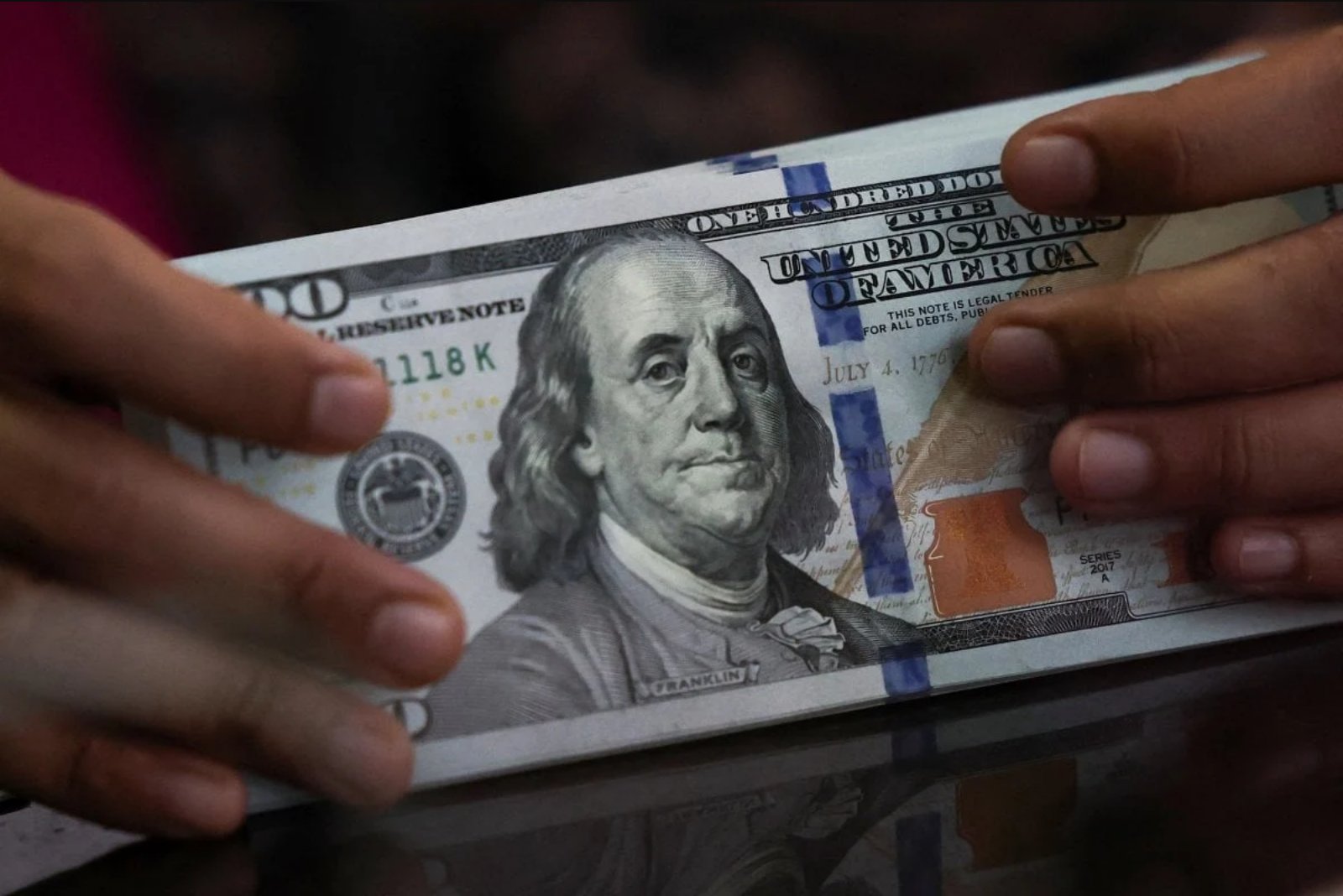
The U.S. dollar stayed at its strongest level in roughly two months on Tuesday as investors grappled with mixed signals from commodity and bond markets and weighed comments from a U.S. central banker that reduced the likelihood of an immediate follow-up rate rise.
Dollar and major moves - The U.S. dollar index, which measures the greenback against six major currencies, climbed 0.2% to 101.37, marking its highest reading since July 28. Market participants remained cautious amid shifting dynamics in oil and U.S. Treasury markets, even as some pressure in the government bond sell-off abated later in the session.
Oil and flows from the Middle East - Global benchmark crude dropped to its lowest level in nearly a week on Tuesday as indications of recovering crude flows from the Middle East offset continuing diplomatic friction between the U.S. and Iran. Preliminary data from Kpler showed crude exports from major producers in the region rose to 12.8 million barrels per day in September, the highest monthly level since February.
The renewed flows gave oil traders reason to look past the persistent diplomatic uncertainty tied to U.S.-Iran relations. Over the weekend, President Donald Trump publicly rejected an Iranian proposal to reopen the Strait of Hormuz and described an Axios report that he was prepared to ease sanctions and release frozen Iranian assets in exchange for verifiable steps on Iran's nuclear program as "untrue." Reuters reported that Qatari mediators were still expected to hold separate discussions with the conflicting parties, but added that negotiators remained pessimistic about reaching an accord before the U.S. midterm elections.
U.S. Treasuries and Fed commentary - U.S. Treasury yields moved erratically on Tuesday. At one stage longer-dated yields surged to fresh multi-decade highs, with the 10-year yield reaching levels not seen since April 2002 and the 30-year yield climbing to heights last registered in June 2002. Selling in Treasuries, however, eased later in the session after comments from New York Fed President John Williams indicating the Federal Reserve did not need to rush its next policy decision.
Those comments helped reduce immediate market bets on further prompt Fed tightening and contributed to calmer conditions in bond markets as the day progressed.
Market commentary on geopolitical tension - Thierry Wizman, global FX and rates strategist at Macquarie, highlighted the political calculus underpinning the U.S.-Iran standoff. Wizman noted that the prospect of the conflict remaining unresolved until the U.S. midterm elections appears increasingly likely, suggesting Iran sees a potential political benefit if the dispute endures. He added that the U.S. is unlikely to accept terms perceived as a surrender and that the current status quo - no peace and no war - serves as a compromise for U.S. policymakers.
Wizman added that the unresolved tension has supported crude oil prices and, in turn, the dollar, while the lack of clarity around the fiscal implications of the conflict has weighed on the bond market. He also warned that persistent geopolitical instability could be keeping longer-term inflation expectations elevated.
Australian dollar slips despite RBA hike - The Australian dollar fell 0.4% to $0.6986, sliding beneath the $0.7000 psychological level to its weakest point since July 29. The currency's decline came even after the Reserve Bank of Australia enacted a widely anticipated quarter-point increase to its key policy rate, lifting it to a 15-year high.
The RBA's move marked its fourth increase this year and was carried by a unanimous vote. RBA Governor Michele Bullock warned that persistent underlying inflation, elevated energy costs and weak productivity growth present a threat to price stability. In a post-decision press conference she said, "The board will raise interest rates again if that’s what’s needed to get inflation down."
Despite that hawkish posture from the central bank, markets had largely priced in the tightening. With U.S. borrowing costs on the rise, foreign exchange desks focused on Australia’s waning yield advantage compared with U.S. instruments, leaving the Aussie vulnerable to further downward pressure.
Sterling under pressure after prime minister's speech - In Europe, sterling slipped 0.2% to $1.3231, trading close to its weakest level since June 26. The currency moved under pressure after Prime Minister Andy Burnham delivered an emotive address to his Labour Party outlining a broad policy shift.
Burnham described what he called a prolonged, unfavorable direction for Britain and promised to pursue a different long-term path. He argued that Britain had been steered toward deindustrialisation, deregulation, privatisation and austerity, and said the country had been run for vested interests rather than the public good. He pledged to take steps his predecessors would not, including moves toward greater public control of utilities and revisiting the so-called pensions triple lock.
Market observers noted that Burnham's willingness to engage the public on the triple lock might signal a readiness to confront difficult fiscal choices. Danni Hewson, head of financial analysis at AJ Bell, commented that while the pledge could suggest fiscal toughness, trimming or reforming one entitlement to fund another is unlikely to be the kind of change that materially shifts bond market sentiment.
What this means for markets - Currency traders remain sensitive to the interplay of commodity flows, geopolitical risk and central bank communication. The stronger dollar has been supported in part by oil price dynamics and safe-haven flows connected to geopolitical uncertainty, while improvements in crude shipments from the Middle East have helped undermine some of the earlier upside in oil.
Meanwhile, bond markets reacted to both the heightened supply and fiscal uncertainty tied to geopolitical developments, and to later signals from a Fed official that allowed markets to step back from the prospect of an immediate further rate rise.
What remains uncertain - The two main uncertainties hanging over markets are the direction and duration of the U.S.-Iran standoff and the trajectory of global bond yields as they respond to changing expectations about U.S. fiscal and monetary policy. Both remain central to how energy markets, currencies and longer-term inflation expectations evolve.
Roushni Nair and Pranav Kashyap contributed to reporting on the market moves described above.