
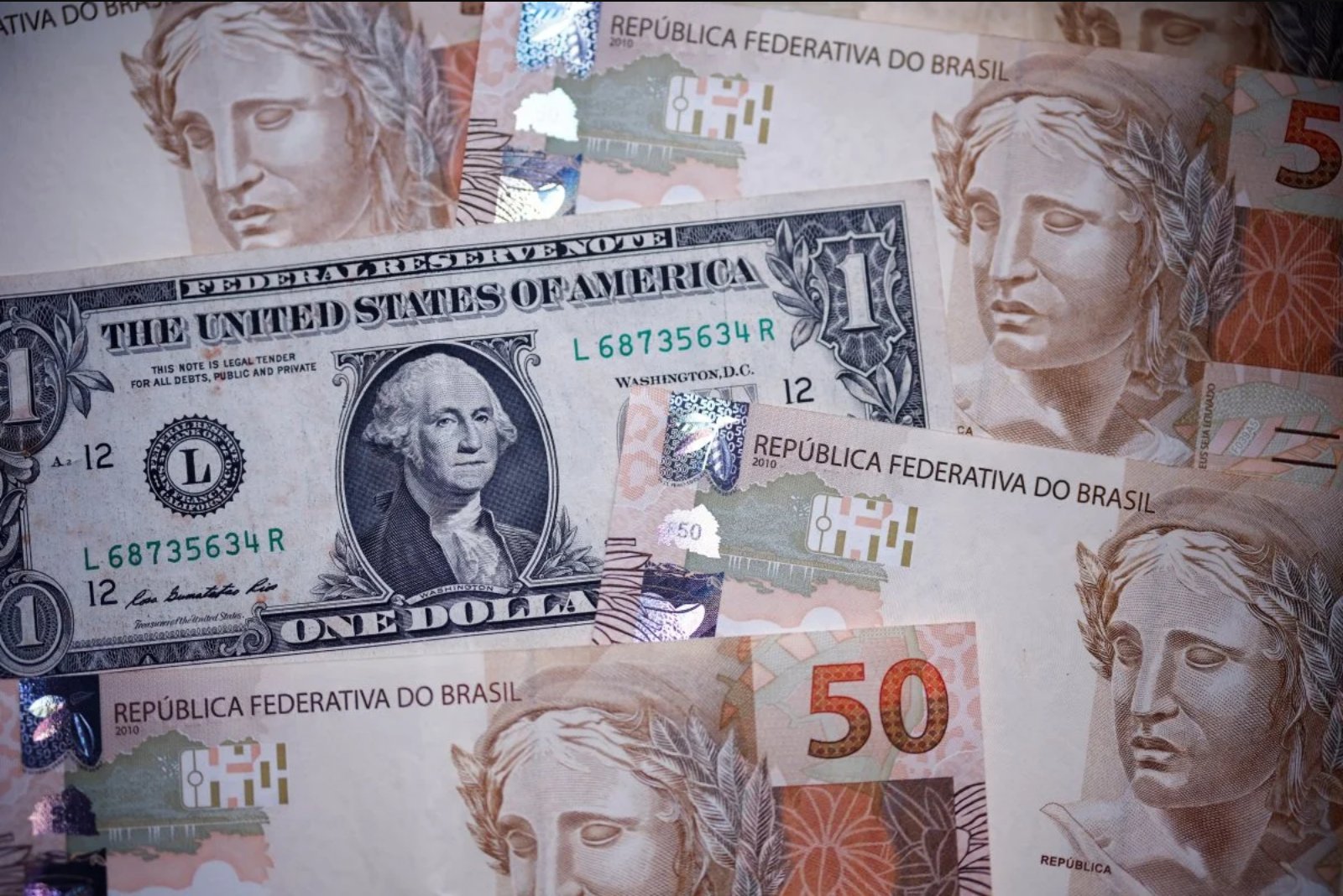
The U.S. dollar extended gains for a fourth straight session on Thursday, staying near its strongest level since late July as a rebound in oil and a continued rout in U.S. government bonds reinforced inflation concerns and pushed investors toward the greenback.
At 16:57 ET (20:57 GMT), the U.S. dollar index - which tracks the greenback against a basket of six major currencies - was trading around 101.26, up 0.2% and registering its highest level since July 28.
Oil, diplomacy and the inflation narrative
Oil prices climbed for a second session on Thursday, reversing a five-day slide that ended on Tuesday. The uptick in crude was linked to a deterioration in expectations for a diplomatic breakthrough between the United States and Iran, after forceful speeches by both leaders at the United Nations General Assembly.
U.S. President Donald Trump warned that he could "annihilate" Iran and "drive them into hell" or pursue a deal, while Iranian President Masoud Pezeshkian asserted Tehran would "never bow" and would not "bend at the knee," but said Iran remained open to "dialogue and diplomacy and negotiations."
While U.S. and Iranian representatives have engaged in indirect discussions on the margins of the UN, U.S. Secretary of State Marco Rubio said on Wednesday these talks should not be seen as a "major breakthrough" but rather a "continuation of conversations that have occurred in the past." Reuters reported that negotiators had discussed a phased path out of conflict that could involve Tehran reopening the Strait of Hormuz and Washington lifting its economic blockade; that report briefly moderated oil's advance before gains resumed.
Bond market stress and economic readings
The U.S. bond market remained under pressure, with the 10-year Treasury yield rising 8.9 basis points to 5.205%, a level not seen since July 2007. The climb in yields has accompanied the dollar's strength and fed concerns about persistent inflation and a less accommodative monetary policy stance.
Adding to the inflation narrative, a S&P Global report released Wednesday indicated U.S. business activity accelerated for a fourth consecutive month in September, recording the fastest growth since July 2021. The report showed solid contributions from both services and manufacturing output.
S&P also signalled that U.S. price pressures intensified in September, with average input costs across goods and services increasing and overall inflation reaching its highest rate since October 2022. Higher fuel and transport expenses were cited as key drivers of input-cost pressures.
Fed rate expectations and market reaction
With evidence of a resilient economy and firmer price pressure, market-implied odds of a Federal Reserve rate increase in October rose. According to the CME FedWatch tool, the probability of a 25-basis-point hike next month climbed to nearly 69%, up from about 55% a week earlier. A higher-rate outlook typically supports the dollar by increasing returns on dollar-denominated assets.
José Torres, senior economist at Interactive Brokers, commented on markets' expectations: "Market participants seem to believe that Fed Chair Kevin Warsh is willing to hike interest rates many more times to battle inflationary pressures that are almost entirely being bolstered by energy. The Treasury complex expects four 25-basis-point benchmark increases by the end of next summer, for a total of another full percentage point."
Torres further noted the tension between persistent headline inflation driven by energy and other cost indicators that appear to be cooling. He said housing price momentum has receded and wage bills are in check, suggesting limited near-term scope for aggressive additional tightening if inflation is predominantly a supply-driven shock. "If it’s predominantly due to a supply shock, then the hasty repricing of monetary policy expectations currently doesn’t make much sense, as a relief in fuel charges will bring us back into the vicinity of the 2% objective," he added.
Other major currencies and regional developments
The Chinese yuan was largely unchanged at 6.7128 per dollar on Thursday. Earlier in the day, President Trump hosted Chinese President Xi Jinping at the White House in Xi's first state visit to the United States since 2015. Both leaders addressed the media; Trump said teams from Washington and Beijing had been working to "encourage a more balanced trading relationship" and indicated he and Xi would cooperate to "forge a better future for both of our nations." Xi said he was "ready to work with you to steer the giant ship of China-U.S. relationship on a steady course" and welcomed "American companies wanting to invest and do business" in China, saying the country would keep its "door wide open." Trade issues and artificial intelligence are expected to be central topics in bilateral discussions.
In Asia, the Japanese yen fell against the dollar for a fifth straight session, with USD/JPY last up about 0.3% at 158.84. Market participants returned from an extended holiday and monitored the potential for intervention from Tokyo after recent inquiries from officials to commercial banks seeking real-time executable quotes. The Bank of Japan's recent rate increase was viewed by some as not sufficiently aggressive to counter the yen's slide.
In Europe, the euro and British pound were subdued amid the dollar's advance. The euro traded just under the flatline at $1.1380, while sterling eased about 0.2% to $1.3217.
Market and sector implications
The combination of higher oil prices, rising Treasury yields and a dollar on the front foot has implications across several sectors. Energy-related firms could face changing input-cost dynamics that feed into inflation measures. Financial markets are contending with tighter policy expectations, which can affect fixed-income and banking sectors. Export- and import-sensitive industries may also feel effects from currency moves, particularly in regions reliant on trade flows with the United States or on energy imports.
Uncertainties remain, and market participants are watching for further developments in diplomacy, central bank communication and incoming economic data that could alter the trajectory of yields, currencies and commodity prices.