
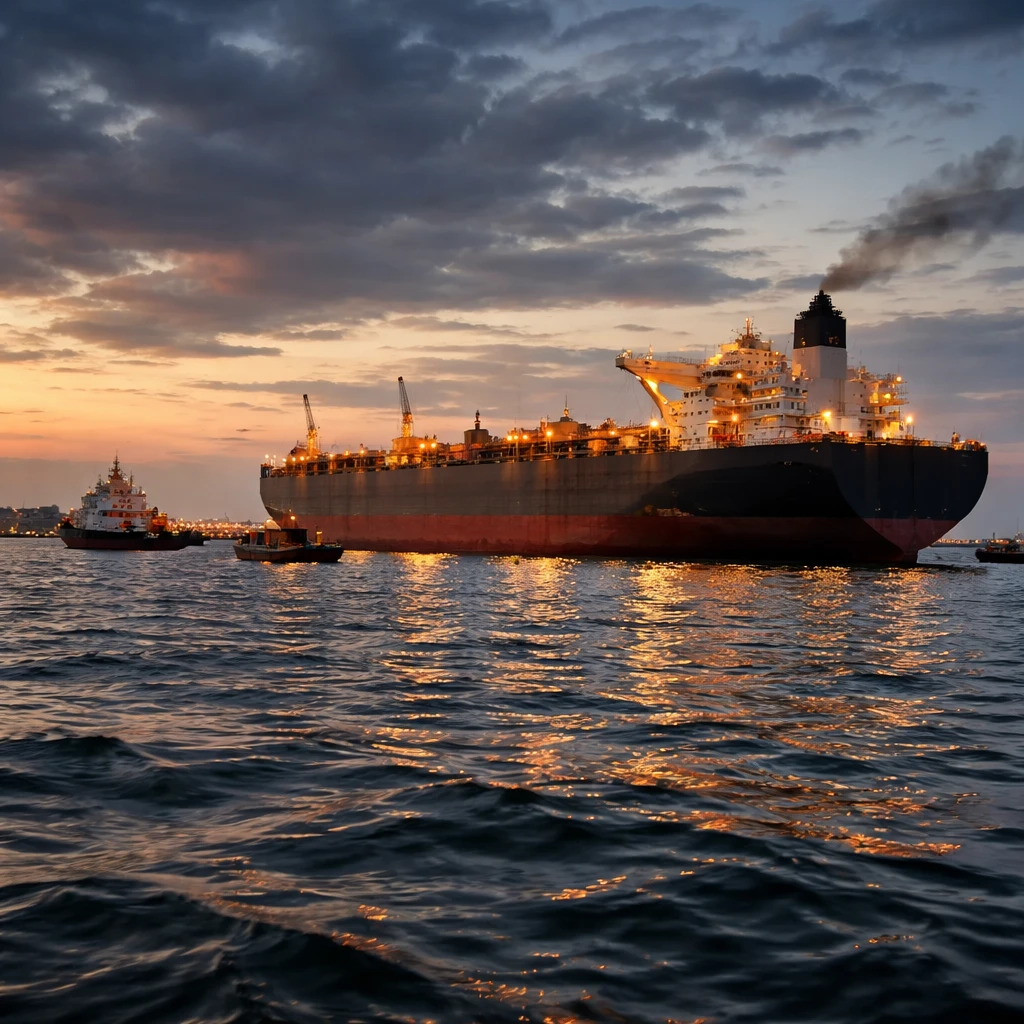
May 16 - The U.S. administration allowed a sanctions waiver to expire on Saturday that had enabled several countries, including India, to acquire Russian seaborne crude that was being held on tankers. The waiver had been extended for one month as part of a short-term effort to alleviate oil supply tightness and elevated prices associated with Iran's closure of the Strait of Hormuz.
U.S. Treasury Secretary Scott Bessent had earlier indicated he would not renew the general license that allowed purchases of Russian oil stored at sea on tankers. As of early afternoon Washington time on Saturday, no renewal notice had been posted on the Treasury Department's website, and a Treasury spokesperson declined further comment.
The decision came after public appeals from two senior Democratic senators. Jeanne Shaheen and Elizabeth Warren urged the administration on Friday not to extend the waiver, contending it funneled revenue to Russia that could support its war in Ukraine and noting there was no evidence the waiver was reducing fuel prices for U.S. consumers.
The brief extension had been part of a broader set of actions by the administration aimed at tempering global energy costs that surged following the outbreak of the Iran war. Those steps included loans from the Strategic Petroleum Reserve and a temporary waiver of a shipping regulation known as the Jones Act. The administration also signaled support for a pause in the federal gasoline tax of 18.4 cents per gallon as part of measures to try to blunt price increases at the pump.
Despite these measures, U.S. gasoline prices remained elevated, at about $4.50 per gallon - a level the administration described as the highest since 2022. Both domestic and international crude benchmarks have generally traded around or above $100 per barrel since the war began on February 28, sustaining pressure on retail fuel costs.
President Donald Trump told reporters returning from Beijing that he had discussed with Chinese President Xi Jinping the possibility of lifting sanctions on Chinese companies that continue to buy Iranian oil, and that he would make a decision soon. The potential policy change was described as under consideration, with the timing of any decision not yet determined.
India was identified as the largest buyer of Russian seaborne crude, with purchases running near record levels in April and May following previous sanctions waivers. The lapse of the latest license ends the specific, month-long allowance that had permitted such purchases of tanker-stored Russian oil.
The administration's moves to manage energy prices - including the waiver, Strategic Petroleum Reserve loans, and temporary regulatory relief - have so far not produced a sustained reduction in retail gasoline costs, leaving markets and consumers exposed to continued price volatility.