
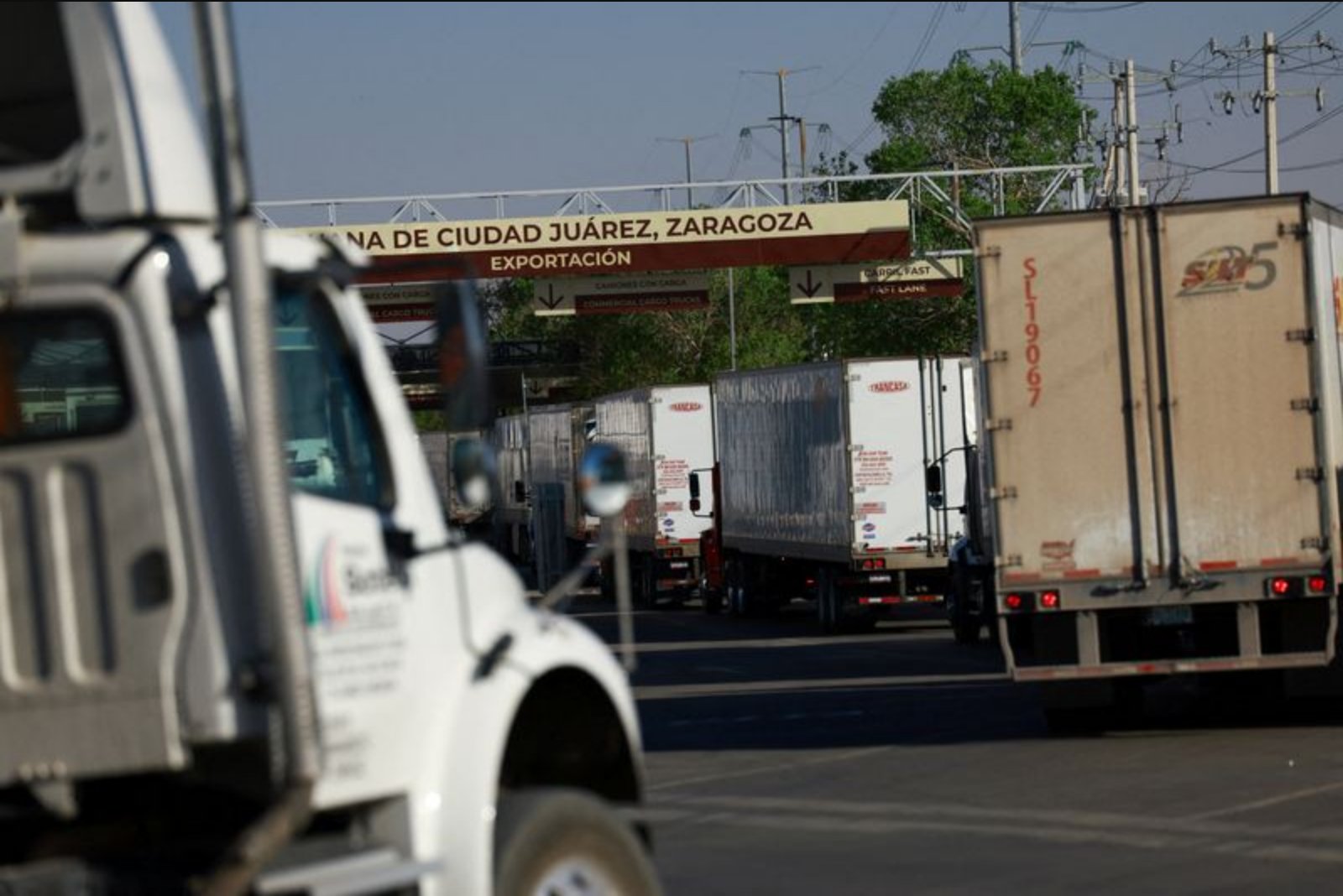
Negotiators from the United States and Mexico began formal talks on May 28 to revise parts of the North American trade framework, with the United States pressing for tougher regional rules of origin for the auto sector. U.S. proposals circulating in the talks include a new element: a U.S.-specific minimum share of automotive content for vehicles assembled in Mexico, according to two people familiar with the U.S. negotiating position.
The precise percentage the United States is seeking for this U.S.-specific content threshold was not disclosed. The proposal marks a notable departure from the current USMCA wording and, if implemented, would alter the composition of inputs qualifying for preferential treatment in the North American autos supply chain.
The six-year-old USMCA and the accords that preceded it helped build a tightly integrated regional manufacturing network that now supports roughly $1.6 trillion in annual trilateral trade. However, the pact’s future will depend on the outcome of negotiations over the coming months as officials consider modifications to rules of origin and other provisions.
Under the existing USMCA, 40% to 45% of the value of a North American-built vehicle must originate in higher-wage factories - effectively in the United States or Canada - and that calculation is based on a defined list of "core parts" such as engines, transmissions, body panels and chassis components. The United States and Mexico have agreed to conduct these talks bilaterally, for now excluding Canada, with three negotiating rounds planned through late July. The current round is taking place in Mexico City and is scheduled to conclude on Friday.
U.S. Trade Representative Jamieson Greer said on Tuesday that strengthening North American rules of origin is a priority to bolster manufacturing in the United States. "I think that over the course of these negotiations, we are going to be talking about rules of origin in a way that enhances U.S. content in these goods," Greer said.
The talks are taking place against a backdrop of global U.S. tariffs introduced under the previous presidential administration - 25% on autos and auto parts and 50% on steel, aluminum and copper - measures that effectively ended the roughly three-decade era of duty-free trade in many industrial goods across North America. Greer said Washington intends to maintain at least some tariffs on Mexican and Canadian industrial goods, though possibly applied at preferential rates.
Observers and industry participants are watching how the negotiations will address steel and aluminum sourcing. Barry Zekelman, chief executive of steel tube maker Zekelman Industries, said negotiators from the U.S. Trade Representative's office have indicated they will seek a requirement that steel receiving preferential U.S. tariff treatment be melted and poured in North America - a rule that does not exist under the current USMCA. Zekelman told interlocutors that such a change would reduce the inflow of Chinese steel components into Mexican manufacturing operations.
USTR is also reported to want Mexico to align its tariffs on steel imports and derivative products made from steel with U.S. tariffs on imports from outside North America, Zekelman said. "What they're going to do now is start to close all of the loopholes that still exist," he added.
Legal and trade specialists contacted during the negotiation window expressed guarded optimism that the three countries could eventually bridge differences to extend and modify the pact, including tightening regional content thresholds and increasing trade protections against non-market economies. Dan Ujczo, a lawyer who advises energy companies on North American trade matters, said he expects that Canada and Mexico ultimately will need to secure preferential access to the U.S. market in any modified agreement.
As bilateral talks progress, market participants in the automotive and steel sectors will be monitoring draft text closely for specifics on content thresholds, the scope of covered parts, and any new country-of-origin processing requirements that could alter sourcing decisions and production footprints across the region.