
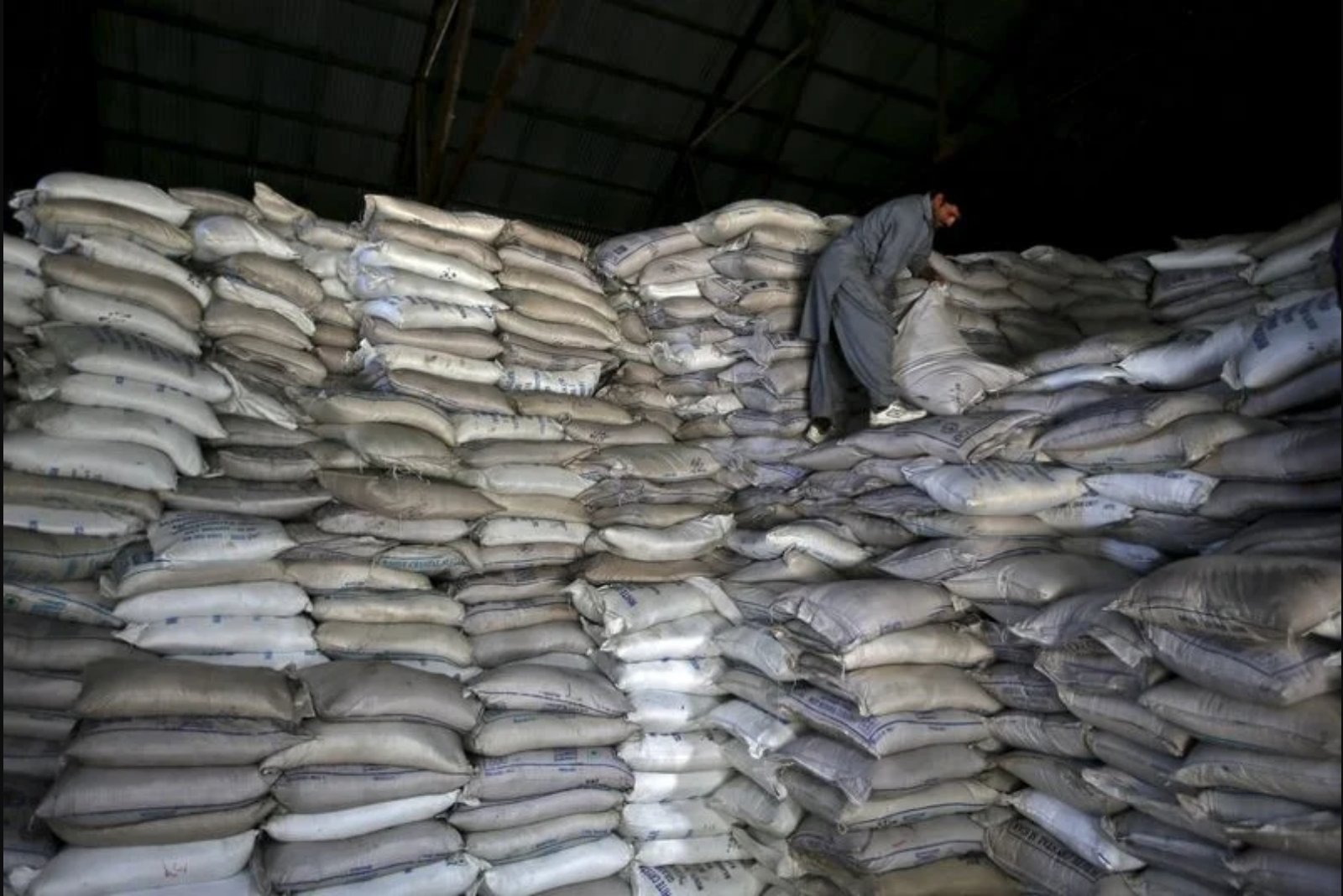
US Sugar #11 futures advanced 3.1% in mid-day trading to 17.4 cents per pound, reaching an intraday 52-week peak of 17.59 cents. The price surge followed reports that India is considering eliminating its 100% sugar import duty as authorities seek to address record domestic prices that have climbed nearly one-fifth since early August 2026.
Wholesale sugar costs in several key Indian markets reached all-time highs, and seasonal festival demand has intensified pressure on already depleted inventories. The possibility of duty-free imports has highlighted how acute the domestic shortfall in India has become, and that dynamic lifted international benchmark sugar prices.
Market participants also pointed to developments in Brazil's center-south region - the globe's largest sugar-producing area - where sugarcane crushing fell 8.4% year-over-year in the second half of July. Sugar production in that region declined 17.6% as mills increasingly directed cane toward ethanol. That shift was encouraged by a policy move raising the mandatory ethanol blend to 32%, making ethanol production relatively more attractive for processors.
India's crop outlook added to the tightening narrative. The area planted with sugarcane has fallen, and industry groups cautioned that early crushing for the 2026/27 season is unlikely because rainfall has been inadequate and crops have not matured sufficiently. In recent weeks, several commodity forecasters - including Covrig Analytics, Green Pool Commodity Specialists, and StoneX - revised their projections for the 2026/27 global sugar balance, moving from a surplus to a deficit.
The sugar rally stood apart from broader U.S. equity market moves. During the same trading session, the S&P 500 slipped 0.5%, the Dow Jones edged down 0.2%, and the NASDAQ declined 1.1%. The divergence indicates that the gains in sugar were driven by supply fundamentals in the commodity complex rather than a general risk-on market environment.
In sum, the confluence of soaring Indian domestic prices prompting potential policy intervention, Brazil's ethanol-driven reduction in sugar output, and a growing consensus around a 2026/27 global supply deficit created a potent bullish catalyst. Those factors pushed the October contract to its highest level in more than a year.
Key points:
- India signaled it may remove a 100% sugar import duty as domestic prices rose nearly 20% since early August 2026, contributing to global price strength.
- Brazil's center-south region reported an 8.4% drop in cane crushing and a 17.6% fall in sugar production as mills redirected cane to ethanol following a raise in the mandatory ethanol blend to 32%.
- Several commodity forecasters revised the 2026/27 global sugar balance from surplus to deficit, reinforcing bullish market sentiment.
- Policy decisions in India remain under consideration - any change in import duty treatment could alter trade flows and price dynamics.
- Weather and crop maturation in India are uncertain; inadequate rainfall and insufficient crop maturity already limit early crushing prospects for 2026/27.
- Shifts in Brazilian milling choices between sugar and ethanol continue to influence output levels and are sensitive to biofuel policy and blending mandates.