
Commodities September 7, 2026 11:24 PM

Ship Movements Slow in Hormuz After Iran Warns of Retaliation for New U.S. Strikes

Kpler data show fewer commodity vessels in the Strait of Hormuz while traffic rises at Bab el-Mandeb; analysts and banks warn of persistent shipping disruptions

By Sofia Navarro
Share
Twitter Reddit Facebook LinkedIn

Shipping transits through the Strait of Hormuz declined at the start of the week after Iran threatened to retaliate against any further U.S. attacks, while passage through the Bab el-Mandeb increased. Kpler monitoring reported lower counts for Hormuz and higher counts for Bab el-Mandeb, and Goldman Sachs adjusted its oil-price forecasts expecting disruptions to extend into next year.

Ship Movements Slow in Hormuz After Iran Warns of Retaliation for New U.S. Strikes
Summarize with
ChatGPT Perplexity Claude Grok Gemini

Key Points

  • Kpler recorded seven commodity vessels passing through the Strait of Hormuz on Monday, down from eight the previous day.
  • Traffic through Bab el-Mandeb increased to 29 commodity vessels on Monday, up from 17 the day before, per Kpler data.
  • Goldman Sachs raised Brent and WTI forecasts for December 2026 and 2027, citing expectations of continued shipping disruptions in the Middle East.

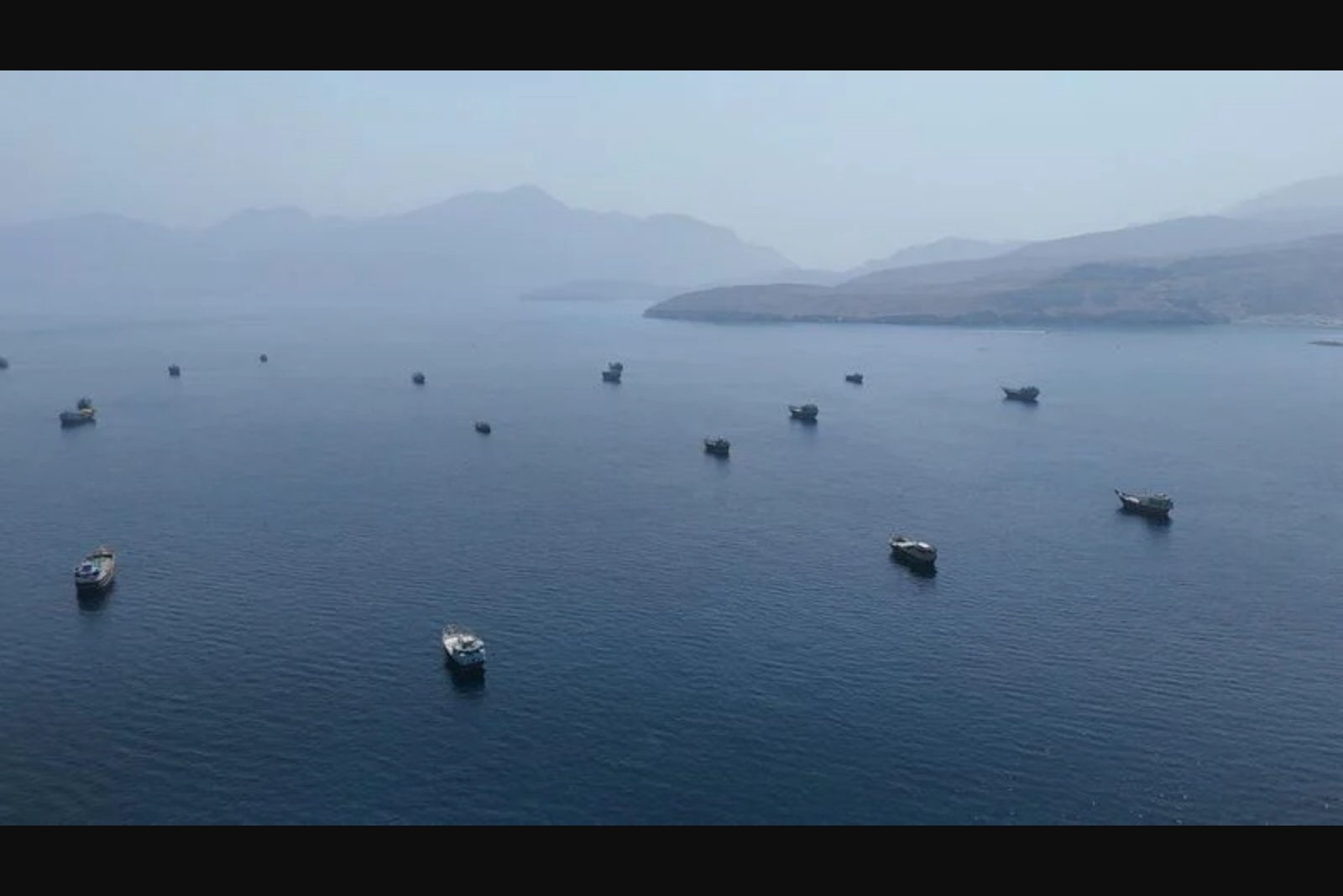
SINGAPORE, Sept 8 - Shipping through one of the world's most sensitive chokepoints slowed early in the week after Iran issued a warning that it would retaliate for any new U.S. attacks. Monitoring firm Kpler recorded seven commodity vessels transiting the Strait of Hormuz on Monday, down from eight the day before.

Iran publicly warned that energy infrastructure across the Gulf - including U.S. oil and gas interests - was exposed and could be targeted. The statement coincided with the reduced vessel count through Hormuz, according to Kpler data released on Tuesday.

At the same time, traffic through the Bab el-Mandeb strait, another key maritime route for commodity shipments, rose. Kpler's figures showed 29 commodity vessels passed through Bab el-Mandeb on Monday, up from 17 on the prior day.

Observers note a qualification to the counts: some ships may be transiting with their automatic identification system transponders switched off, which Kpler's tally does not capture. That means actual vessel movements could be higher than reported totals.

Financial market participants are responding to the heightened risk of disruption. Goldman Sachs has raised its Brent and West Texas Intermediate crude price forecasts for December 2026 and for 2027, citing expectations that shipping interruptions in the Middle East will persist into next year.

The diverging movement patterns - a slowdown in Hormuz and a pickup through Bab el-Mandeb - reflect shifting maritime flows amid elevated geopolitical tensions. The data, as reported by Kpler, provide a near-term snapshot but do not account for any unreported transits.


Sector implications

  • Energy: Potential for upward pressure on crude prices led some institutions to raise price forecasts.
  • Maritime logistics: Vessel routing and chokepoint utilization are shifting in response to perceived security threats.
  • Trade and commodities: Interruptions at key straits can affect commodity flows and market sentiment.

Risks

  • Potential continuation or escalation of shipping disruptions in Middle Eastern waterways could affect energy and commodity markets.
  • Vessel counts may understate actual traffic because ships sailing with transponders off are not included in Kpler's totals.

More from Commodities

Yen Rally Shakes Markets as Traders Brace for a Bank of Japan Rate Move Sep 8, 2026 Zelenskiy says U.S. envoys offered 'decent ideas' but no breakthrough achieved Sep 8, 2026 India's August Fuel Use Falls 2.8% Year-on-Year; Mixed Fuel Category Performance Sep 8, 2026 Air strikes resume on Kyiv after brief pause for US envoys, killing two and damaging infrastructure Sep 8, 2026 Goldman Raises Oil Price Targets as Middle East Shipping Disruptions Seen Persisting Into 2027 Sep 8, 2026