
Oil benchmarks firmed on Wednesday, reversing some of the prior session's declines, after the U.S. military carried out strikes against Iranian targets and industry data showed a continued reduction in domestic crude inventories.
Brent crude increased by 83 cents, or 0.9%, to $92.29 a barrel, while U.S. West Texas Intermediate rose 68 cents, or 0.8%, to $88.97 a barrel. The moves came after both contracts had settled at multi-week lows in the previous session - Brent at its weakest since April 17 and WTI at levels not seen since May 29 - when direct attacks between Israel and Iran paused after appeals to stop hostilities.
The U.S. strikes were launched after President Donald Trump said on Tuesday he would respond to the downing of a U.S. Apache attack helicopter overnight, marking a fresh escalation that risks undoing an already fragile ceasefire between Washington and Tehran. Tehran stated it would resume hostilities if Israel continued operations against the Hezbollah militia in Lebanon. Observers note that Israel's continued campaign against Iran-backed Hezbollah has complicated efforts to translate the tenuous pause into a more lasting settlement in the broader U.S.-Israeli conflict with Iran.
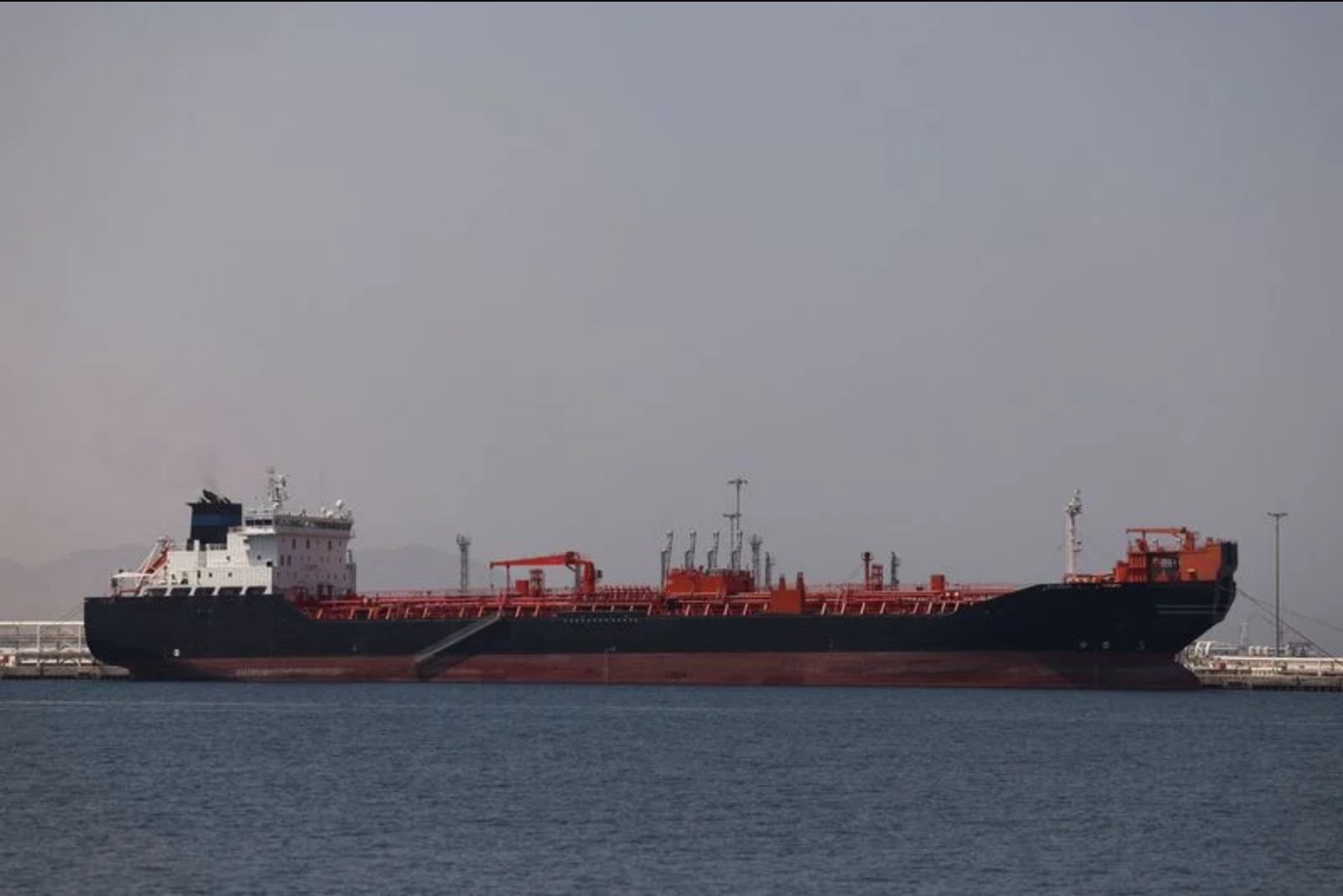
Shipping through the Strait of Hormuz remains a focal point. The Iranian government has continued to block most traffic through the strait, a critical artery that typically carries about one-fifth of the world's crude oil and liquefied natural gas. At the same time, Washington has implemented its own blockade of Iranian ports. Despite these restrictions, U.S. Energy Secretary Chris Wright said on Tuesday that ship traffic in the Gulf and oil exports transiting the Strait of Hormuz are increasing, even as diplomatic efforts to reach a deal to end the more than three-month-old war between Washington and Tehran are stalled.
On the supply side, market sources citing American Petroleum Institute (API) data released on Tuesday reported that U.S. crude oil inventories fell for an eighth consecutive week. The sources said crude stocks dropped by 9.12 million barrels in the week ended June 5, while gasoline inventories declined by 1.19 million barrels.
U.S. crude and product flows have been acting as a marginal source of supply during the conflict, with exports to Asia and Europe rising. The recent run of lower U.S. inventories could constrain exports in time and put upward pressure on prices if the trend persists.
Key points
- Brent rose to $92.29 a barrel and WTI to $88.97 after U.S. strikes on Iran and fresh inventory data.
- U.S. crude stocks fell for an eighth straight week, with a reported decline of 9.12 million barrels in the week to June 5; gasoline stocks fell by 1.19 million barrels.
- Maritime tensions remain elevated as Iran continues to block most shipping through the Strait of Hormuz while Washington enforces a blockade on Iranian ports; officials report rising ship traffic and exports despite the conflict.
Risks and uncertainties
- Renewed or escalating military exchanges between the U.S. and Iran could disrupt regional oil flows and further tighten supplies - a risk to the energy and shipping sectors.
- Ongoing restrictions on transit through the Strait of Hormuz create uncertainty for global crude and LNG shipments, affecting energy markets and maritime logistics.
- Declining U.S. inventories may limit export capacity and place upward pressure on prices if the downtrend continues, impacting refiners, exporters, and global buyers.